Signs an Italian Greyhound Is Losing Night Vision
As Italian Greyhound owners, we often pride ourselves on knowing every little quirk and nuance of our delicate companions. But when it comes to something as subtle as a change in their vision, particularly their ability to see in dim light, it can be incredibly hard to spot until it’s quite advanced. You might start noticing your sleek, confident IG suddenly hesitating in familiar hallways or bumping into the coffee table that's always been there. This guide aims to help you understand what night vision loss looks like in an Italian Greyhound and how to identify those early, often missed, signs.
Understanding Night Vision Loss in Italian Greyhounds
The world looks a little different to our Italian Greyhounds than it does to us, especially when the lights go down. Their specialized vision is one of their evolutionary marvels, but it's also vulnerable to a range of health conditions. Recognizing how their eyes work and what can go wrong is the first step in protecting their precious sight.
The Biology of Canine Night Vision
Dogs, including our beloved Italian Greyhounds, are naturally equipped for excellent low-light vision. They have a higher concentration of rod cells in their retinas compared to humans. Rods are the photoreceptors responsible for detecting light and motion, especially in dim conditions. While this means their color perception might not be as vibrant or detailed as ours, their ability to navigate in twilight or moonlight is significantly superior. Think about it: a wild dog would need to hunt at dawn or dusk, or even through the night, making keen night vision a huge advantage.
Another incredible feature in a dog's eye is the tapetum lucidum. This is a reflective layer behind the retina that acts like a mirror, bouncing light back through the retina a second time. This "double exposure" effectively amplifies the available light, which is why your Italian Greyhound's eyes seem to glow in the dark when a light source hits them. It's a fantastic adaptation for low-light environments. However, various conditions can compromise these delicate systems, leading to a gradual or sometimes sudden decline in their ability to see in the dark.
Common Conditions Affecting Night Vision in IGs
Unfortunately, several eye conditions can specifically impact an Italian Greyhound's night vision. Knowing these conditions can help you understand the potential underlying causes of any changes you observe.
One of the most prevalent and concerning conditions is Progressive Retinal Atrophy (PRA). This is a group of degenerative diseases that affect the retina, causing the photoreceptor cells (rods and cones) to gradually deteriorate. In most forms of PRA, the rod cells are affected first, which means night blindness is typically the earliest sign you'll notice. Your IG might start showing signs of being uncomfortable in dimly lit environments, long before their daytime vision seems to be affected. For more detailed information, you can read about Progressive Retinal Atrophy in an Italian Greyhound.
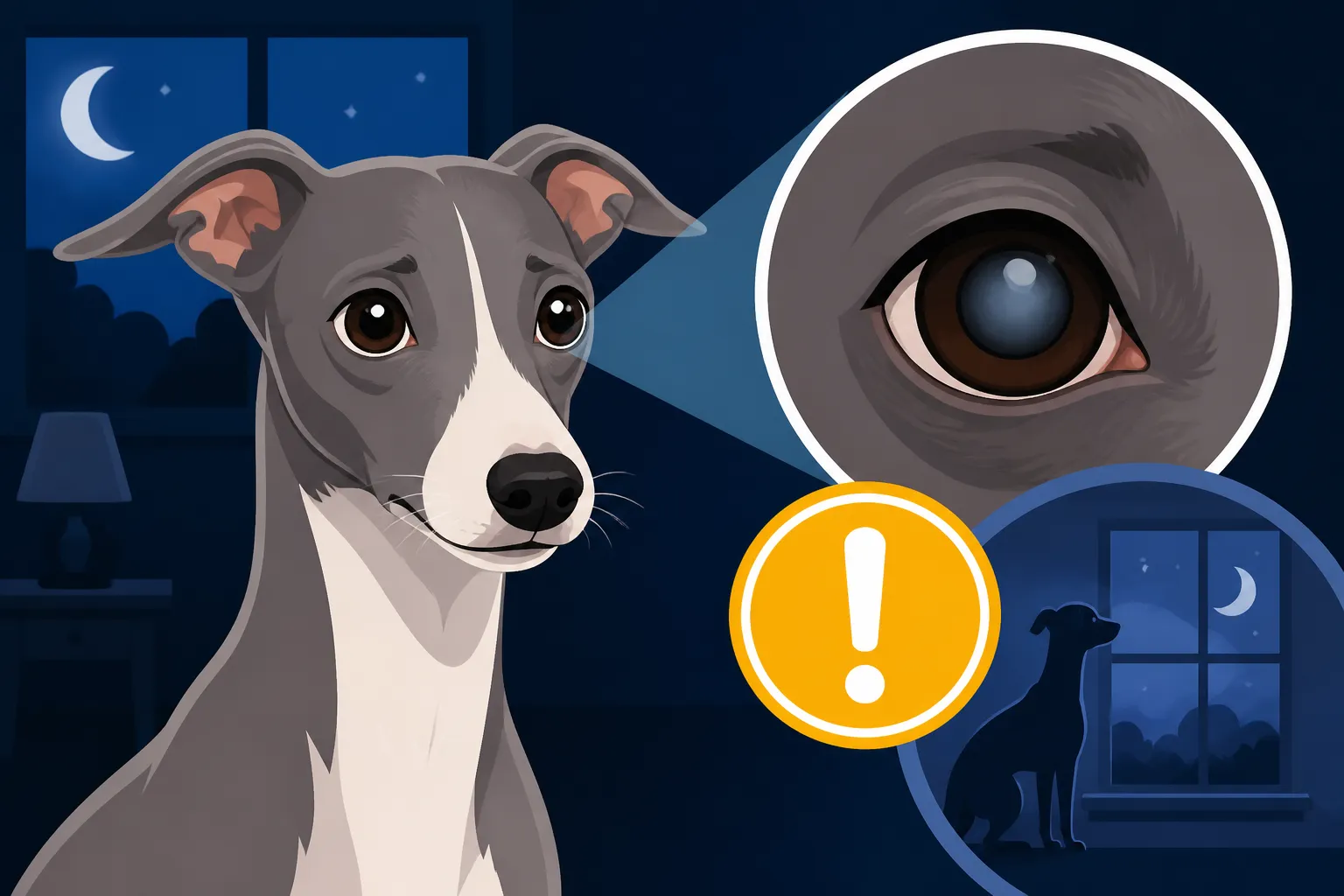
Another common culprit is cataracts. While often associated with general clouding of the lens and overall vision impairment, early cataracts can disproportionately affect night vision. The cloudiness scatters light, making it harder for enough light to reach the retina in dim conditions. Imagine trying to see through a foggy window at night – it’s much harder than during the day. As cataracts progress, they will impact daytime vision too, but night vision is often the first to suffer. If you're concerned about this, delving into Cataracts in an Italian Greyhound can offer more insights.
Glaucoma, characterized by increased pressure within the eye, can also lead to night vision loss. This elevated pressure damages the optic nerve, which transmits visual information from the eye to the brain. While glaucoma can cause acute pain and rapid vision loss, chronic forms might slowly erode peripheral and low-light vision over time. It's a serious condition that requires immediate veterinary attention. You might find further reading on Glaucoma in an Italian Greyhound helpful if you suspect this condition.
Less common but equally devastating is Sudden Acquired Retinal Degeneration Syndrome (SARDS). As the name suggests, this condition causes rapid and irreversible degeneration of the photoreceptor cells, often leading to complete blindness within weeks. While not exclusively a night vision issue, the acute onset means night vision (and all vision) disappears quickly. These conditions highlight the importance of understanding and observing changes in your Italian Greyhound's visual behavior, especially as they get older.
Recognizing Subtle Signs of Night Blindness
Because Italian Greyhounds are so attuned to their environment and often rely on routine, any changes in their behavior, especially around dusk, can be incredibly telling. It's about looking beyond the obvious and noticing the subtle shifts.
Behavioral Changes at Dusk and Dawn
The most obvious time to observe night vision issues is, predictably, when the light starts to fade or is just emerging. If your Italian Greyhound is losing their night vision, you might notice a sudden hesitation to go outside after sunset. Where they once dashed out for their last potty break, they now might stand at the door, nose twitching, unsure of the darker surroundings. They might even bump into familiar outdoor objects like porch steps or garden planters they usually navigate flawlessly.
Indoors, pay attention to their movements in dimly lit rooms. Perhaps they've always loved snuggling on the sofa with you as evening approaches, but now they take a more circuitous route or bump into a coffee table that's always been in the same spot. Navigating stairs or even slight changes in floor level can become a challenge when the light is low. They might descend steps tentatively, placing their paws down with unusual care, or even refuse them altogether. You might also notice an increase in their anxiety or clinginess when transitioning from a well-lit room to a darker one. They might stay closer to your legs, seeking reassurance, rather than confidently exploring. They may also struggle to find their favorite toys or even their food and water bowls if they are placed in a shadow. For specific information on when such conditions tend to appear, refer to The Age Retinal Atrophy Appears in an Italian Greyhound.
Navigational Difficulties in Familiar Environments
It's one thing for a dog to struggle in an unfamiliar, dark place, but it's much more concerning when they start having trouble in their own home – a space they know intimately. If your Italian Greyhound begins to bump into walls or furniture, especially at night or in low light, in rooms where nothing has moved, it's a significant red flag. They might walk with a higher, more tentative step, or start "sweeping" their head from side to side, trying to gather more visual information.
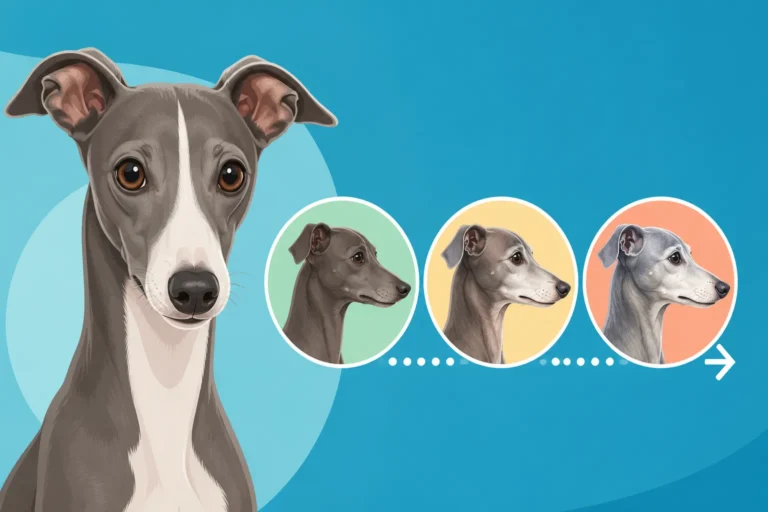
You might also observe them struggling to locate their bed or water bowl without direct light, or they might seem disoriented if you turn off a light suddenly. They may start to rely heavily on scent and hearing to move around, sticking close to walls or furniture rather than confidently crossing open spaces. Italian Greyhounds, being sighthounds, rely profoundly on their excellent vision, so any impairment in this area is likely to manifest as increased caution or outright fear when navigating. These delicate changes can happen very subtly, so regular observation is key. If you're wondering about the speed of this decline, the article How Fast an Italian Greyhound Loses Its Sight might provide useful context.
What to Do If You Suspect Night Vision Loss
Spotting these early signs can be unsettling, but prompt action is crucial. The good news is that by being observant, you're already ahead of the game.
Veterinary Consultation and Diagnosis
The very first step if you suspect your Italian Greyhound is losing night vision is to schedule a comprehensive veterinary appointment. Don't delay! Explain all the subtle changes you've observed, no matter how small they seem. Your general practitioner vet will likely perform a thorough eye exam and may refer you to a veterinary ophthalmologist for specialized diagnostics. These specialists have equipment and expertise to diagnose even the most subtle retinal or optic nerve issues.
Diagnostic tests might include an ophthalmoscopy, where the vet looks into the back of the eye, and potentially an electroretinography (ERG), which measures the electrical responses of the retina to light. An ERG is particularly useful for diagnosing conditions like PRA, even before clinical signs are severe. Remember that Italian Greyhounds, like other sighthounds, have unique physiological characteristics, including how they metabolize certain medications and how their eyes are structured. It's incredibly beneficial to have a vet who understands these breed-specific nuances. Consider reading Why an Italian Greyhound's Vet Should Know Sighthounds to understand this further. Costs for these specialized diagnostics and treatments can add up, which is why having pet insurance like Healthy Paws can be a real lifeline, potentially covering a significant portion of these bills.
Adapting Your Home for a Dog with Impaired Night Vision
While you await diagnosis or if the condition is progressive and untreatable, adapting your home environment becomes paramount for your Italian Greyhound's safety and comfort.
First and foremost, maintain consistent furniture placement. Don't rearrange your living space suddenly. Your IG will develop a "mental map" of their home, and disrupting it can cause significant distress and increase the risk of bumps and falls. Introduce nightlights in hallways, bathrooms, and any areas they frequent at night. This provides just enough ambient light to help them orient themselves. Adding runners or rugs on slippery hard floors can provide much-needed traction and tactile cues. For more specific guidance on making your home safer, especially if they struggle with elevated surfaces, check out Ramps and Steps for an Italian Greyhound's Furniture.
When it comes to outdoor activities, it's best to avoid walks in low-light conditions. Stick to well-lit areas during the day. If a night potty break is absolutely necessary, use a leash and go to a very familiar, safe, and well-lit spot. You can also start incorporating more verbal cues and scent markers around the house. For instance, always say "step up" or "watch out" before an obstacle. Placing a drop of essential oil (vet-approved, non-toxic!) on their bed or water bowl can help them locate it using smell. Remember, patience and reassurance are key. A visually impaired Italian Greyhound can still live a full, happy life with your dedicated support. Understanding how a blind dog adapts, even one that's primarily sight-driven, can be incredibly comforting; for tips, see How a Blind Italian Greyhound Manages Stairs.
Long-Term Management and Support
Living with an Italian Greyhound experiencing vision loss, particularly night vision, is an ongoing journey that requires dedication, understanding, and proactive care.
Monitoring Progression and Ongoing Care
Regular veterinary check-ups are absolutely essential. Your ophthalmologist will likely want to see your Italian Greyhound periodically to monitor the progression of their condition. Even if there’s no cure for the underlying cause, early detection of any further changes or secondary issues (like pain or inflammation) can significantly impact your IG's quality of life. Keep a journal of your observations at home: note when you first see new signs, any changes in their confidence, or if their daytime vision also seems to be affected. This detailed information is invaluable for your veterinary team.
Don't be afraid to ask your vet about supportive therapies, supplements, or medications that might help manage symptoms or slow progression, if applicable. Building a strong relationship with your veterinary care team, including any specialists, is critical. They are your partners in ensuring your Italian Greyhound receives the best possible care. Remember, ongoing care and potential treatments can be expensive, but comprehensive pet insurance, such as a plan from Healthy Paws, can significantly ease the financial burden, allowing you to prioritize your pet's health without constant worry. It's worth researching What Pet Insurance Actually Covers on an Italian Greyhound to understand how it can help.
Enhancing Quality of Life for a Visually Impaired IG
Even with compromised night vision, your Italian Greyhound can continue to enjoy a rich and fulfilling life. The key is to engage their other senses and maintain a predictable, loving environment.
Focus on enrichment activities that rely on smell and hearing. Scent games, where you hide treats around the house for them to find, are fantastic. Puzzle toys that dispense treats when manipulated can keep their minds sharp and engaged. Consistent daily routines provide security and reduce anxiety, as they learn to anticipate what happens next. When they can no longer rely on sight, their senses of hearing and smell will become incredibly acute, often compensating in ways that will amaze you.
Above all, provide abundant emotional support and reassurance. Use a calm, consistent tone of voice, and gentle touch. Your Italian Greyhound looks to you for safety and guidance, and your calm demeanor will go a long way in helping them adjust. Celebrate their successes, no matter how small, and be patient with any setbacks. This journey is a testament to the incredible bond you share with your Italian Greyhound, and with your help, they can navigate their world with confidence and joy. You might also want to ensure they receive a Whether an Italian Greyhound Needs a Yearly Eye Exam to keep tabs on their ocular health, and understand What an Italian Greyhound's Yearly Eye Exam Covers so you know what to expect.
| Sign of Night Vision Loss | Potential Cause(s) | Action to Take |
|---|---|---|
| Hesitation/bumping in dim light | PRA, early cataracts, glaucoma | Schedule vet visit; introduce nightlights. |
| Anxiety at dusk/dark | PRA, general vision impairment | Observe closely; provide reassurance; check for underlying medical issues. |
| Difficulty finding objects in low light | PRA, cataracts | Place items consistently; use verbal cues; consider scented markers. |
| Reluctance to use stairs at night | PRA, cataracts, glaucoma, general vision impairment | Gate stairs in dark; use ramps; ensure good lighting. |
| Changes in eye appearance (cloudiness, redness) | Cataracts, glaucoma | Urgent vet visit; these can be signs of acute conditions. |
Disclaimer
The information provided in this article is for educational purposes only and is not intended to be a substitute for professional veterinary advice, diagnosis, or treatment. Always seek the advice of your veterinarian or other qualified health provider with any questions you may have regarding a medical condition. Never disregard professional veterinary advice or delay in seeking it because of something you have read in this article.