What an External Fixator Costs on an Italian Greyhound
The heartbreak of discovering your beloved Italian Greyhound has a broken leg is a truly devastating experience, often compounded by the immediate dread of the vet bill that's surely coming. When the words "external fixator" enter the conversation, many owners are left reeling, not just from the shock of the injury but from the anxiety of understanding what this specialized surgical option entails and, crucially, what it will cost. This guide aims to break down the complexities and financial realities of an external fixator for an Italian Greyhound, helping you navigate this challenging time with a clearer picture of the investment required for your little one's recovery.
Understanding What an External Fixator Is for an Italian Greyhound's Leg
Before we even dive into the numbers, it’s crucial to understand what an external fixator is. Imagine your Italian Greyhound's leg bone, which is already notoriously delicate – often described as "glass bones" due to their slender structure and thin cortex. When a fracture occurs, especially a complex one, a cast alone often isn't enough, and even internal plates and screws might not be the best solution for certain types of breaks or for the unique bone structure of an Italian Greyhound. This is often why Why an Italian Greyhound's Radius Is the Bone That Breaks so frequently.
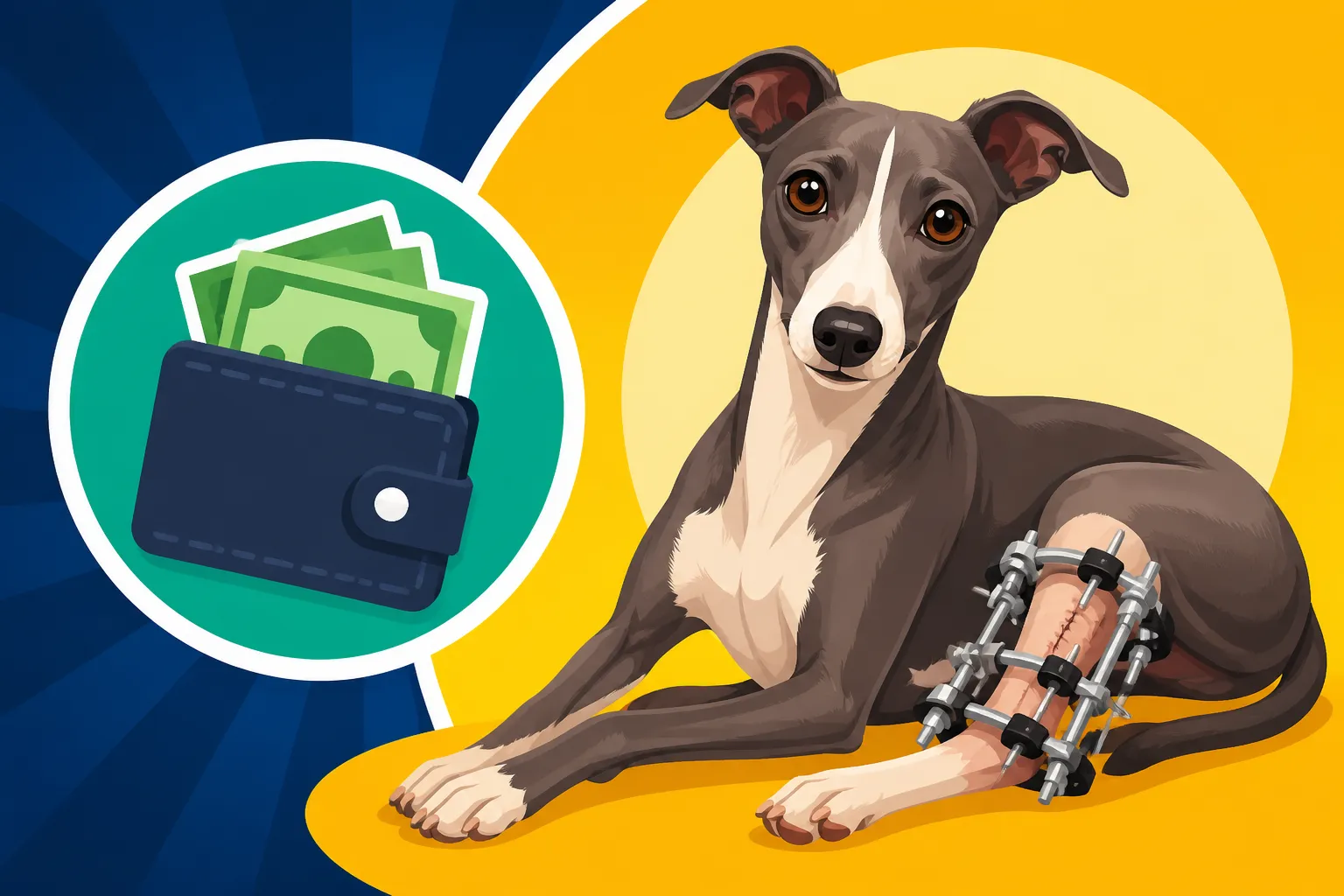
An external fixator is essentially a scaffolding system placed outside the leg, with pins running through the skin and muscle, directly into the bone fragments. These pins are then connected by external bars, holding the bone perfectly still and in alignment while it heals. Think of it like a miniature construction project designed to stabilize the delicate bone from the outside.
Why External Fixators Are Used for Italian Greyhounds
Italian Greyhounds present unique challenges for fracture repair. Their bones are fine, their skin is thin, and they have very little muscle mass to protect internal hardware. This means that traditional internal plates and screws can sometimes be difficult to apply without causing additional trauma or having issues with skin coverage. An external fixator offers several advantages in these delicate cases:
- Minimally Invasive Bone Exposure: The surgical incision required to place an external fixator can be smaller than that needed for an internal plate, potentially reducing tissue damage and infection risk.
- Adjustability: Unlike a plate, an external fixator can sometimes be adjusted externally after surgery, allowing the veterinary surgeon to fine-tune the alignment as needed without another invasive procedure. This is particularly useful in cases where initial swelling might make perfect alignment difficult.
- Versatility for Complex Fractures: For highly comminuted fractures (where the bone is shattered into many pieces) or open fractures (where the bone breaks through the skin), an external fixator can often provide more stable and customizable fixation than other methods. This is a common concern when an Italian Greyhound breaks its leg from even a short fall, like The Jump Off the Sofa That Breaks an Italian Greyhound's Leg.
- Ease of Removal: Once the bone has healed, the external fixator can usually be removed with a minor procedure, sometimes even under sedation rather than full anesthesia, which is always a relief for Italian Greyhound owners who worry about Why a Nine Pound Italian Greyhound Gets Cold on the Table.
The Expertise Required for Placement
This isn't a procedure every general practice vet performs. Placing an external fixator requires a high level of surgical skill and specialized equipment. You'll almost certainly be referred to a board-certified veterinary orthopedic surgeon, or at least a vet with extensive experience in sighthound fractures. These specialists understand the nuances of Italian Greyhound anatomy and the specific challenges their bones present. Finding a surgeon who has plated an Italian Greyhound or placed external fixators in them before is paramount. This specialized expertise is, naturally, a significant factor in the overall cost, as it reflects years of training, experience, and the use of cutting-edge techniques and equipment.
The Cost Components of an External Fixator Procedure
When we talk about the cost of an external fixator, it's never just one single bill. It's a complex puzzle made up of several distinct financial pieces, spanning from the emergency room visit to weeks or even months of follow-up care. Thinking of it as an ongoing process rather than a one-time event can help manage expectations. This comprehensive cost includes not only the surgical procedure itself but also the extensive diagnostics, hospitalization, post-operative care, and eventual removal of the device.
Initial Emergency and Diagnostics
Before any surgery can even be considered, your Italian Greyhound will need immediate veterinary attention. This first phase can include:
- Emergency Exam Fee: This is the cost for the initial examination at the emergency veterinary clinic. Emergency vets often have higher fees due to the immediate availability of specialized staff and equipment.
- X-rays: Multiple radiographic views are essential to accurately diagnose the fracture type, location, and severity. This helps the surgical team plan the most effective repair. Signs an Italian Greyhound Has Broken a Leg will usually lead directly to these diagnostics.
- Pain Management and Stabilization: Your dog will likely receive pain medication and potentially be stabilized with a temporary splint or bandage to prevent further injury during transport or while waiting for surgery.
- Bloodwork: Pre-surgical blood tests are crucial to ensure your Italian Greyhound is healthy enough for anesthesia, especially given their unique physiological responses. Bloodwork Before an Italian Greyhound's Anesthesia is standard practice.
This initial diagnostic and stabilization phase alone can be a significant cost, separate from the surgery itself, and it’s the immediate hurdle many owners face even before discussing repair options.
The Surgical Procedure Itself
This is often the largest single component of the bill. It encompasses everything directly related to the actual placement of the external fixator.
- Anesthesia: Italian Greyhounds require specialized anesthetic protocols due to their lean body mass and sensitivity to certain drugs. The cost includes the anesthesiologist's time, monitoring equipment, and the medications used. You can learn more about this in Why Anesthesia Is Handled Differently in an Italian Greyhound.
- Surgeon's Fee: This is the fee for the highly skilled veterinary orthopedic surgeon who performs the intricate procedure of inserting the pins into the bone fragments and assembling the external frame. Their expertise is what you're paying for.
- Operating Room and Equipment Fees: The cost of using a sterile operating room, specialized surgical tools, and the external fixator components (pins, clamps, bars) themselves are all factored in.
- Hospitalization: Your Italian Greyhound will need to stay at the veterinary hospital for several days post-surgery for intensive monitoring, pain management, and initial wound care. This typically involves nursing care, medications, and round-the-clock observation.
- Follow-up X-rays: After the surgery, more X-rays will be taken to confirm the correct placement of the fixator and initial alignment of the bone.
The total cost for this phase is usually quoted as an estimate, as unforeseen complications can arise. This is where pet insurance, like policies offered by Healthy Paws, can be an absolute lifesaver, covering a significant portion of these emergency costs once your deductible is met. It’s a harsh lesson that many learn the hard way: What Fracture Repair Costs on an Italian Greyhound is often the biggest bill an Italian Greyhound owner gets.
Post-Operative Care and Follow-up Appointments
The journey doesn't end when your Italian Greyhound comes home. The weeks and months following surgery are critical for healing and involve ongoing expenses.
- Medications: This includes pain relievers, anti-inflammatories, and possibly antibiotics to prevent infection at the pin sites.
- Pin Site Care Supplies: You'll be taught how to clean the pin sites at home to prevent infection. This requires special cleaning solutions, sterile gauze, and sometimes wraps, which you can often purchase from your vet or through online pet supply retailers like Chewy.
- Follow-up Examinations and X-rays: Your vet will need to check the fixator, assess the healing progress, and take regular X-rays to ensure the bone is mending properly. These appointments are frequent in the initial weeks and then taper off. They are essential to monitor for issues like Why Pins Loosen in an Italian Greyhound's Bone.
- Physical Rehabilitation: Depending on the severity of the fracture and your dog's recovery, physical therapy might be recommended to help regain strength, mobility, and ensure Whether an Italian Greyhound Regains Full Use of the Leg. This can involve specialized exercises, hydrotherapy, or laser therapy, all of which add to the overall cost.
- Confinement: Your dog will need strict confinement, often in a crate, for an extended period. This means buying or adapting a secure crate and ensuring a safe, non-slip environment for the limited times they are out. This can be challenging for active Italian Greyhounds. You can read more about it in How Long an Italian Greyhound Stays Crated After Surgery.
This phase can easily span several months, with each visit and supply adding to the cumulative cost.
External Fixator Removal
Once the bone has sufficiently healed, the external fixator needs to be removed.
- Anesthesia/Sedation: While sometimes done under heavy sedation, often light anesthesia is still required to comfortably remove the pins and frame.
- Removal Procedure: The cost for the veterinary staff's time and the use of the clinic facilities for this procedure.
- Post-Removal Care: This might include a short course of pain medication, a protective bandage, and a final set of X-rays to confirm full healing.
This table gives a general overview of the typical cost components, but remember, these are broad categories. Actual figures will vary wildly based on your location, the specific veterinary facility, the complexity of the fracture, and any complications that may arise.
| Cost Component | Description | Frequency / Duration |
|---|---|---|
| Initial Emergency & Diagnostics | Emergency exam, X-rays, pain meds, temporary splint, bloodwork | One-time, immediate |
| Surgical Procedure | Anesthesia, surgeon's fee, OR fees, fixator components, initial X-rays | One-time |
| Hospitalization | Post-op recovery, monitoring, pain management, nursing care | Several days |
| Post-Op Medications | Pain relievers, antibiotics, anti-inflammatories | Weeks to months |
| Pin Site Care Supplies | Sterile gauze, cleaning solutions, wraps | Daily for weeks to months |
| Follow-up Vet Visits | Exams, X-rays to monitor healing, fixator adjustments (if needed) | Weekly/bi-weekly, then monthly |
| Physical Rehabilitation | Specialized exercises, hydrotherapy, laser therapy (if recommended) | Weekly for weeks to months |
| External Fixator Removal | Anesthesia/sedation, procedure fee, final X-rays, post-removal bandage | One-time, after bone heals (2-4 months) |
Potential Complications and Their Impact on Cost
Unfortunately, even with the best surgical care, complications can arise with any fracture repair, and external fixators are no exception. These complications can add significantly to the overall cost and extend the recovery period. It’s important to be aware of these possibilities and factor them into your financial preparedness.
Pin Site Infections
Because pins pass through the skin and into the bone, there’s always a risk of infection at the pin sites. Even with meticulous home care, bacteria can sometimes get in.
- Symptoms: You might notice redness, swelling, discharge (pus), or a foul odor around the pins. Your Italian Greyhound might also show increased lameness or pain.
- Cost Impact: Treating pin site infections typically involves additional vet visits, oral antibiotics, special topical treatments, and potentially more frequent bandage changes. In severe cases, the infection could track down to the bone (osteomyelitis), requiring more aggressive treatment, which could mean longer hospitalization or even revisions to the fixator, adding thousands to the bill. Regular check-ups with your vet can help catch these issues early before they escalate.
Loosening or Breaking of Pins
Italian Greyhounds are active, even with a broken leg (sometimes surprisingly, they still try to run on a bad leg, which can exacerbate issues), and sometimes the pins holding the fixator can loosen or even break. This is a serious complication as it compromises the stability of the fracture.
- Symptoms: Increased instability of the fixator, visible movement of the pins, or sudden lameness/pain after initial improvement.
- Cost Impact: A loose or broken pin often requires an additional trip to the veterinary surgeon. This could mean a minor procedure to replace a single pin, or in more severe cases, a complete revision of the external fixator under anesthesia. Each additional procedure means more anesthesia, more surgical time, and more materials, pushing the costs higher. This is another area where the long-term benefit of pet insurance from providers like Healthy Paws truly shines, as repeated complications can make bills astronomical.
Non-Union or Malunion
Sometimes, despite the best efforts, the bone simply doesn't heal (non-union) or heals incorrectly (malunion). This is a heartbreaking outcome that can have a profound impact on your dog's future mobility and quality of life.
- Symptoms: Persistent lameness, pain, or X-rays showing no progress in bone healing over several months.
- Cost Impact: Non-union or malunion often necessitates another major surgery. This could involve removing the existing fixator, re-breaking the bone (in the case of malunion), and applying a new fixation method, potentially with bone grafts to stimulate healing. This second, or even third, surgery can easily double or triple the initial surgical cost. In very severe or untreatable cases, When Amputation Is Discussed for an Italian Greyhound might unfortunately become a topic of conversation, which comes with its own set of costs for the procedure and subsequent rehabilitation.
Skin or Soft Tissue Damage
The thin skin of an Italian Greyhound can be susceptible to pressure sores or skin irritation where the fixator components rub or press.
- Symptoms: Redness, raw spots, or open sores around the frame or pins.
- Cost Impact: These issues require careful wound management, special dressings, and potentially additional medications. If severe enough, surgical intervention might be needed to repair the damaged skin.
All these potential complications underscore why a fracture in an Italian Greyhound is rarely a straightforward, single-payment event. It requires commitment, patience, and a significant financial buffer.
Budgeting for an Italian Greyhound's External Fixator and Long-Term Recovery
Let's be realistic: an external fixator procedure for an Italian Greyhound is a major financial undertaking. It's not just the upfront surgery, but the marathon of recovery that follows. Many owners are blindsided by the cumulative costs, so preparing yourself mentally and financially is key.
Understanding the Financial Landscape
The overall cost of an external fixator, when accounting for everything from the initial emergency visit to the final removal and potential rehab, typically falls into a wide range. Factors like your geographic location (vet costs can vary significantly between urban and rural areas), the specific veterinary specialty hospital you use, the surgeon's fees, and the severity of the fracture all play a huge role. As discussed, complications can easily inflate these figures dramatically.
It’s often a good idea to speak openly with your veterinary surgeon's office about a detailed estimate, and ask about payment plans or financing options. Many specialty hospitals work with third-party medical financing companies that offer deferred interest plans.
The Role of Pet Insurance
This is where pet insurance proves its worth for Italian Greyhound owners. Given the breed's propensity for leg fractures—a frequent topic, such as How Many Italian Greyhounds Break a Leg Before Two—and the high cost of specialized veterinary care, a robust pet insurance policy is highly recommended. Providers like Healthy Paws are known for their comprehensive accident and illness plans.
- Coverage: Most pet insurance plans will cover a significant portion of unexpected accident costs, including diagnostic tests, surgery, hospitalization, medications, and even rehabilitation therapies, once your deductible is met and the waiting period has passed. It's vital to have insurance in place before an accident happens, as pre-existing conditions (like an already broken leg) are not covered.
- Waiting Periods: Be mindful of insurance waiting periods. Most policies have a waiting period (often 14 days or more) before accident coverage kicks in. This means you need to get a policy well in advance of any potential incident.
- Deductibles and Reimbursement: Understand your deductible (the amount you pay before insurance starts covering) and your reimbursement percentage (what percentage of the remaining bill the insurance company pays). Even with insurance, you will still have out-of-pocket expenses, but they will be significantly reduced compared to paying the entire bill yourself. This can be the difference between being able to afford life-saving surgery or having to consider difficult alternatives.
Essential Supplies for Home Recovery
Beyond the direct medical costs, you'll need to invest in a few key items to ensure a smooth recovery at home. Some of these can be found at pet supply stores like Chewy or ordered directly from your vet.
- Appropriate Crating: A comfortable, secure crate is non-negotiable for strict confinement. You might need to adjust its size or add extra padding to ensure your Italian Greyhound is comfortable but unable to jump or move excessively.
- Ramps and Steps: To prevent re-injury once your dog is allowed more mobility, investing in Ramps and Steps for an Italian Greyhound's Furniture is crucial. This eliminates dangerous jumps off sofas or beds that could lead to another fracture.
- Non-Slip Flooring: If you have hardwood or tile floors, consider temporary runners or rugs to provide traction and prevent slips during the early stages of ambulation. Whether Rugs Help an Italian Greyhound on Hardwood is a common question, and the answer is usually yes during recovery.
- Specialized Bedding: An orthopedic bed can provide comfort and support, preventing pressure sores on other parts of the body while your dog is lying down for extended periods. Brands like Ollie might also be considered for special, easily digestible food during recovery, if recommended by your vet, though this is less about the fixator itself and more about general supportive care.
- Enrichment Toys: Confined dogs get bored! Puzzle feeders and chew toys suitable for a recovering dog (nothing too hard that could cause dental issues) can help keep their minds occupied.
Budgeting for these items ahead of time, or having an emergency fund specifically for your Italian Greyhound, can greatly reduce stress during an already difficult situation. Knowing What an Italian Greyhound's Emergency Vet Visit Costs on average, and then multiplying that by the potential for complex surgery, can give a sobering but realistic picture. The upfront cost for the fixator is just the beginning of the journey.
Disclaimer
This article is for general informational purposes only and does not constitute professional advice. Laws, prices and regulations vary by location and change over time. Consult a qualified professional for guidance on your specific situation.