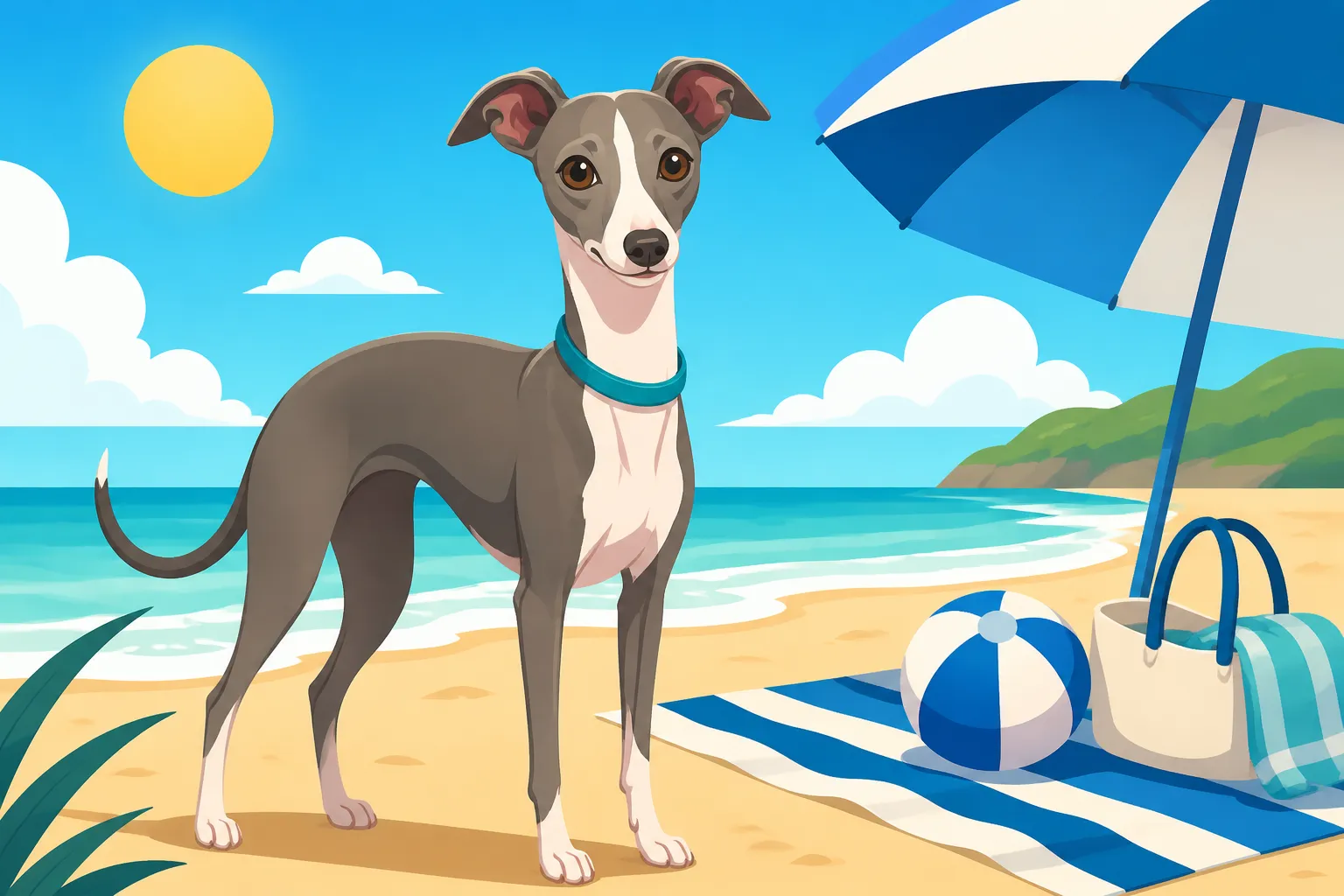
Taking an Italian Greyhound to a Beach
For many Italian Greyhound owners, the thought of taking their delicate, high-energy companion to a sprawling beach is a mix of excitement and sheer dread. You picture the joy of watching them zoom across the sand, but immediately your mind races through all the ways such an environment could go wrong for a breed so prone to injury and so sensitive to the elements. This guide is here to walk you through how to prepare for, navigate, and enjoy a beach outing with your Italian Greyhound safely, tackling common concerns and offering practical advice.
The Allure and the Alarms of an Italian Greyhound at the Beach
The beach holds a unique draw for both humans and their canine companions. For an Italian Greyhound, it can be an incredible sensory experience, but it also presents a particular set of challenges that need careful consideration.
Why the Beach Can Be Both a Dream and a Dilemma for Iggies
Imagine your Iggy, that bundle of lean muscle and boundless energy, suddenly presented with miles of open sand. It’s a dream come true for their natural sighthound instinct to run. The soft, yielding sand is easier on their joints than hard pavement, and the endless new smells carried on the ocean breeze are a mental workout in themselves. Watching them execute their signature "zoomies" across such a vast expanse is truly exhilarating for any owner. This is where they can really stretch out and burn off some of that pent-up energy, engaging their instincts in a way few other environments allow.
However, this dream scenario comes with a significant "but." Italian Greyhounds, with their paper-thin skin, low body fat, and fine bones, are not built for rugged outdoor adventures without careful supervision. Their delicate frame means a simple tumble on uneven ground, or a collision with an oblivious larger dog, can result in a serious injury. The sheer scale of the beach, while liberating for their legs, can also be terrifying if they get disoriented or lose sight of you. It's a constant balancing act between allowing them to indulge their instincts and keeping them safe from harm.
The Hidden Hazards You Might Not Expect
Beyond the obvious risks of their fragile build, the beach environment introduces several less apparent dangers that Italian Greyhound owners must be acutely aware of. One of the biggest concerns is temperature regulation. Iggies, having very little body fat and a short, single coat, get cold incredibly easily. Even on a seemingly mild, breezy day, if they get wet, they can start shivering uncontrollably, leading to potential hypothermia. Conversely, on a sunny day, that beautiful soft sand can become scorching hot, burning their delicate paw pads within minutes. It's truly a Goldilocks situation: not too hot, not too cold. How an Italian Greyhound Handles Summer Heat is something every owner needs to understand, and the beach amplifies these concerns.
Then there's the sand itself. While fun to run on, sand can be a major irritant. It gets everywhere – in their eyes, ears, and between their paw pads, causing discomfort or even infection. Many Iggies, out of curiosity or sheer excitement, will try to mouth or even eat sand, which can lead to serious gastrointestinal issues, including impaction, which is a veterinary emergency. The water, too, holds perils. Most Italian Greyhounds are not strong swimmers; their build and lack of body fat make them quickly chill and exhaust themselves. Strong currents or rogue waves can easily overwhelm them. Finally, the beach is often home to sharp shells, broken glass, discarded fishing hooks, and tempting wildlife like birds or crabs, all posing risks to an inquisitive Iggy.
Preparing Your Italian Greyhound for a Beach Adventure
A successful and stress-free beach trip with an Italian Greyhound doesn't happen spontaneously. It requires thoughtful preparation, starting with the right gear and ensuring your Iggy has the foundational training to handle such a stimulating environment.
Essential Gear for a Safe and Fun Day
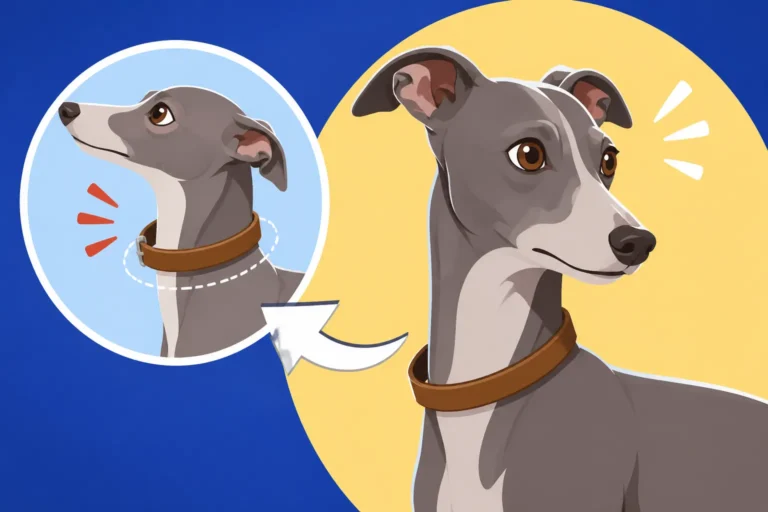
Before you even think about putting paws on the sand, assemble your Iggy's beach toolkit. First and foremost, a long line is non-negotiable. Forget the idea of off-leash freedom at the beach; an Iggy's prey drive combined with their incredible speed makes it far too risky. A long line of 20-30 feet allows them to run and explore safely while remaining connected to you. Whether a Long Line Is Enough for an Italian Greyhound is a question many owners ask, and on a beach, it's certainly your best bet. Coupled with this, you need a secure, well-fitting harness. Flat collars are easily slipped, especially by a determined Iggy spooked by a wave or chasing a seagull. A properly fitted harness, one they cannot back out of, is crucial. Which Harness Suits an Italian Greyhound's Neck is vital to prevent tracheal damage and escapes.
Next, prioritize hydration and temperature control. Always bring plenty of fresh water and a collapsible bowl. Saltwater dehydrates them quickly, and they'll be working hard. Even on a sunny day, pack a lightweight sweater or coat. The sea breeze can be surprisingly chilly, and if your Iggy decides to splash in the shallows, they’ll lose body heat rapidly. Keeping an Italian Greyhound Warm Is Daily Work, Not a Winter Job – and the beach is no exception. For light-colored Italian Greyhounds, dog-safe sunscreen is a must for their delicate ears and any thinly coated areas; they can burn just like we do. Where to Put Sunscreen on an Italian Greyhound is a good resource for placement. Consider booties to protect their sensitive paw pads from hot sand, sharp shells, or abrasive surfaces. And because accidents can happen, a compact first-aid kit is always a smart idea for minor scrapes or cuts. What to Keep in a First Aid Kit for an Italian Greyhound is an excellent checklist. Finally, ensure your Iggy has up-to-date identification tags on their harness, and for extra peace of mind, a GPS tracker can be invaluable. Many owners rely on the convenience of online retailers like Amazon to stock up on these essential items, from secure harnesses to portable water bottles.
Training for Beach Success: Recall, Leash Manners, and Socialization
While a long line is your primary safety net, foundational training significantly enhances the enjoyment and safety of a beach trip. A rock-solid recall is paramount. Even if your Iggy is on a long line, having them respond instantly to your call is critical, especially if an unexpected hazard appears or a loose dog approaches. Practice recall in progressively more distracting environments before attempting the beach. Understanding How Reliably an Italian Greyhound Comes When Called in high-distraction scenarios is key.
Equally important are good leash manners. A long line offers more freedom, but your Iggy should still understand not to pull excessively or lunge at every bird. Practice walking calmly alongside you, even when there are tempting distractions. This builds trust and control, making the experience more pleasant for both of you. Finally, early and positive socialization to various sights, sounds, and controlled interactions with calm dogs can help them be less reactive at the beach, but always remember their vulnerability to boisterous play. For owners seeking to build these crucial skills, reputable online training platforms like BAXTER & Bella offer comprehensive programs that cover everything from foundational recall to leash etiquette, preparing your Iggy for real-world challenges like the beach.
Checking the Environment: Tides, Temperature, and Regulations
Before heading out, do a quick "reconnaissance" on the beach itself. Always check the tide times. Low tide generally means more exposed sand for running and exploring, reducing the risk of being caught by a rapidly advancing tide. Critically, assess the temperature – and I don't just mean the air temperature. Feel the sand with your bare hand; if it's too hot for you to comfortably keep your hand on it for more than five seconds, it's too hot for your Iggy's paw pads. Remember, their bodies struggle to regulate heat, so direct sun on hot sand is a double whammy. The Room Temperature an Italian Greyhound Is Comfortable At helps set the baseline, but outdoor conditions are far more dynamic.
Lastly, and this is crucial, familiarize yourself with the beach regulations. Not all beaches allow dogs, and many that do have specific rules regarding leash use, time restrictions (e.g., no dogs during peak hours in summer), or designated off-leash areas (which I'd still advise against for an Iggy). Always respect these local rules; they're in place for a reason and contribute to everyone's safety and enjoyment. A quick search of the local municipality's website or signage at the beach entrance should provide the information you need.
Navigating the Beach with Your Italian Greyhound
Once you're at the beach, prepared and geared up, the real fun (and vigilance) begins. Navigating this stimulating environment requires constant awareness and proactive management of your Italian Greyhound's unique needs and instincts.
Managing Prey Drive and Other Dogs
The beach is a smorgasbord of sensory triggers for an Italian Greyhound's powerful prey drive. Seagulls swooping, small sand crabs scuttling, or even just windblown debris can instantly activate their instinct to chase. This is precisely why a long line is indispensable. Even the most well-behaved Iggy can become deaf to commands once that chase instinct takes over, making it critical to maintain that physical connection. What an Italian Greyhound Does When It Sees a Rabbit gives you an idea of the intensity of this drive, and a bird on the beach is no different.
Other dogs present another significant concern. Beaches, especially those allowing dogs, can be a magnet for boisterous, off-leash dogs whose owners may not be as vigilant as you are. Italian Greyhounds are incredibly vulnerable to accidental injury from larger dogs, even those "just playing." Their thin bones are no match for a playful ram or an accidental stomp. Stay alert, scan the environment constantly, and be prepared to advocate for your Iggy. If a large, unleashed dog bounds towards you, pick up your Iggy or quickly move to a less crowded area. It's not worth the risk, no matter how "friendly" the other dog's owner claims they are. This is a primary reason Why a Dog Park Is Dangerous for an Italian Greyhound – and the beach can sometimes feel like an uncontrolled version of one.
Water Safety: When to Dip, When to Skip
While the idea of your Iggy frolicking in the waves might seem charming, exercise extreme caution around water. Most Italian Greyhounds are simply not built for swimming. Their deep chests, slender frames, and lack of insulating body fat mean they get cold very quickly and tire easily. If your Iggy shows interest in the water, keep them to the very shallow edge where they can just dip their paws. Never let them go into deeper water unsupervised, and seriously consider a doggy life vest if they're particularly drawn to it. This adds buoyancy and visibility.
Even in seemingly warm water, the combination of wet fur and a cool sea breeze can rapidly lead to them becoming chilled. Italian Greyhounds, like other sighthounds, are very susceptible to dropping their body temperature. Getting cold on the table (Why a Nine Pound Italian Greyhound Gets Cold on the Table) during veterinary procedures highlights their general sensitivity to cold. After any water exposure, even a splash, dry them off immediately with a towel and consider putting their sweater back on. Ingesting saltwater can also cause stomach upset, so always bring fresh water for them to drink. If the water looks rough, has strong currents, or if your Iggy isn't keen, it's always best to skip the swim entirely.
Dealing with Sand and Sun
Sand is part and parcel of a beach trip, but it needs careful management. Beyond the irritation it can cause to eyes and ears, be vigilant about preventing your Iggy from ingesting it. Some dogs will try to eat sand out of curiosity, or it can be inadvertently swallowed while playing with sandy toys. Large amounts of ingested sand can lead to painful and dangerous intestinal impaction. Always have fresh water readily available for drinking and to rinse their mouth if you suspect they've eaten sand. If you bring toys, choose ones that don't easily cling to sand, or simply stick to running and sniffing.
Sun exposure is another factor. Italian Greyhounds, especially those with lighter coats or very thin hair, are susceptible to sunburn on their ears, noses, and bellies. Where to Put Sunscreen on an Italian Greyhound is a good guideline. Apply a dog-safe sunscreen to these vulnerable areas. Also, be mindful of overheating. While Iggies can get cold easily, direct sun exposure on a warm day, especially combined with vigorous exercise, can lead to them getting too hot. Watch for signs of overheating like excessive panting, lethargy, or seeking shade. Take frequent breaks in the shade, offer water, and consider walking earlier or later in the day when the sun is less intense.
Post-Beach Care: Cleaning Up and Winding Down
The adventure isn't over when you leave the beach. Proper post-beach care is essential to ensure your Italian Greyhound remains healthy, comfortable, and ready for their next outing.
The Importance of a Thorough Rinse
As soon as you can, give your Italian Greyhound a thorough rinse. Saltwater and sand are highly irritating to their delicate skin and can cause dryness, itchiness, and even rashes if left on. A good shower or bath will wash away the salt, sand, and any other irritants they might have picked up. Use a gentle, dog-specific shampoo if they're particularly dirty or have spent a lot of time in the water, focusing on rinsing until the water runs clear. This also helps prevent matting in any longer feathering they might have, though Italian Greyhounds are generally low-maintenance in this regard.
Pay special attention to their ears and eyes, gently wiping away any sand that might have found its way in. Their folded ears can trap debris, leading to irritation or infection. Cleaning an Italian Greyhound's Folded Ears after any outdoor adventure, especially one involving sand, is a good habit. Don't forget their paw pads – inspect them closely and rinse thoroughly between the toes. After rinsing, the most crucial step is to dry them completely. Towel them off vigorously, and if it's chilly, you might even consider a low, cool setting on a hairdryer (held at a distance) or a warm sweater to prevent them from getting a chill.
Checking for Abrasions and Irritations
Once clean and dry, take a few minutes to perform a full body check. Italian Greyhounds have famously thin, sensitive skin that can tear easily. Why an Italian Greyhound's Skin Tears is a common concern for owners. Examine their entire body for any cuts, scrapes, punctures from sharp shells or sticks, or any signs of irritation or rash from sand or plants. Pay particular attention to their legs, belly, and chest – areas that might have rubbed against sand or debris.
Their paw pads also need a close inspection. Look for any embedded grit, small cuts, blisters from hot surfaces, or excessive redness and dryness. You might even apply a dog-safe paw balm to moisturize and protect their pads after exposure to the elements. Early detection of any minor injury can prevent it from becoming a more significant problem, so don't skip this step. If you find anything concerning, consult your vet.
Hydration and Rest After the Excitement
A beach trip is a big deal for an Italian Greyhound, physically and mentally. They've run, explored, sniffed countless new scents, and likely experienced a lot of sensory input. After all that excitement and potential sun exposure, they will be very thirsty. Make sure they have immediate access to fresh, clean water and encourage them to drink. Don't be surprised if they drink more than usual in the hours following your return.
Finally, after all the rinsing, checking, and rehydrating, your Iggy will need a long, peaceful rest. Provide them with a warm, comfortable bed piled high with blankets, which is their natural preference. The Bedding a Thin Skinned Italian Greyhound Actually Needs is usually soft and cozy, perfect for burrowing. They'll likely crash hard, catching up on sleep after their big adventure. Continue to monitor them in the hours and day following the beach trip for any signs of discomfort, lameness, digestive issues (especially if you suspect sand ingestion), or unusual lethargy. A well-prepared and managed beach day can be a truly wonderful experience for your Italian Greyhound, creating lasting memories for both of you.
Disclaimer
This article is for general informational purposes only and does not constitute professional advice. Laws, prices and regulations vary by location and change over time. Consult a qualified professional for guidance on your specific situation.