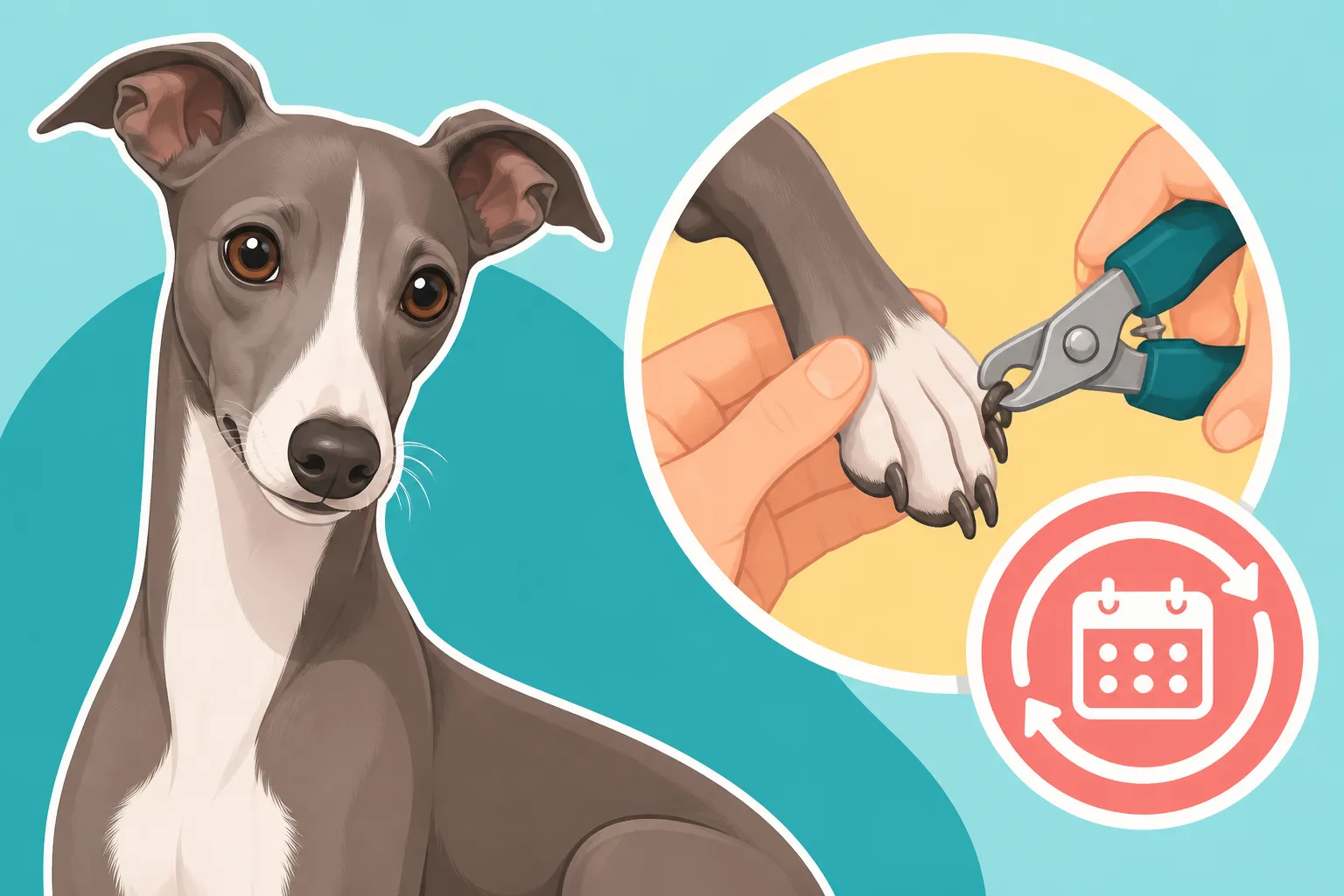
How Often an Italian Greyhound’s Nails Need Trimming
One of the most common frustrations Italian Greyhound owners face is the battle of the nails. It feels like no matter how often you trim, those tiny little talons are always too long, clicking on the floor, and causing worry. This guide is here to walk you through exactly how often your beloved Italian Greyhound's nails really need trimming, why it's such a critical part of their care, and how to make the process as stress-free as possible for both of you.
Why Nail Trimming is Such a Big Deal for Italian Greyhounds
Let's be honest, nail trims aren't exactly a party for most dogs, and Italian Greyhounds often take the cake for being particularly dramatic about it. But beyond the dramatics, there are very real reasons why keeping their nails short is paramount to their health and comfort. Their delicate structure and unique gait mean that long nails can have a cascade of negative effects that we absolutely want to avoid.
The Anatomy of an Italian Greyhound's Paw
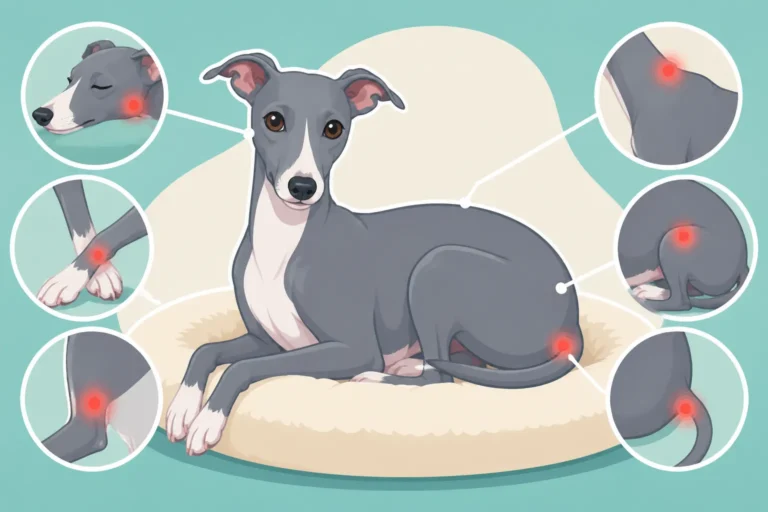
Italian Greyhounds have what's often described as a "hare foot" – long, narrow, and incredibly delicate, designed for speed and agility. Their paw pads are relatively small, and their bones are fine-boned. This isn't a breed built for rough terrain or heavy impact. Because of this delicate structure, every part of their paw, including their nails, plays a crucial role in how they balance and move. When those nails get too long, they start to push back into the nail bed, distorting the natural angle of their toes and forcing their weight to shift in unnatural ways. It's like trying to walk in shoes that are too small and squishing your toes – uncomfortable at best, painful and damaging at worst. This subtle shift can put undue stress on their joints, right up their leg, potentially exacerbating any predispositions to conditions like Patellar Luxation in an Italian Greyhound or simply causing general discomfort in their ankles and knees.
The Quick: A Perpetual Challenge
Inside each of your Italian Greyhound's nails is something called the "quick." This is a living tissue, complete with blood vessels and nerves. If you've ever accidentally clipped it, you know it bleeds and it hurts! The challenge with Italian Greyhounds, and many light-colored dogs, is that their nails can be very light, making the quick relatively easy to see. However, if you have an Iggy with dark nails, the quick is practically invisible, making trimming a guessing game for many owners. The real kicker is that the quick grows with the nail. If the nail is allowed to grow long, the quick will also extend further down the nail. This creates a vicious cycle: long nails mean long quicks, which means you can't trim the nails back far enough without hitting the quick, and the nails stay long. Breaking this cycle requires consistent, frequent trims, taking off just tiny bits at a time, so the quick has a chance to recede.
Impact of Long Nails on Gait and Health
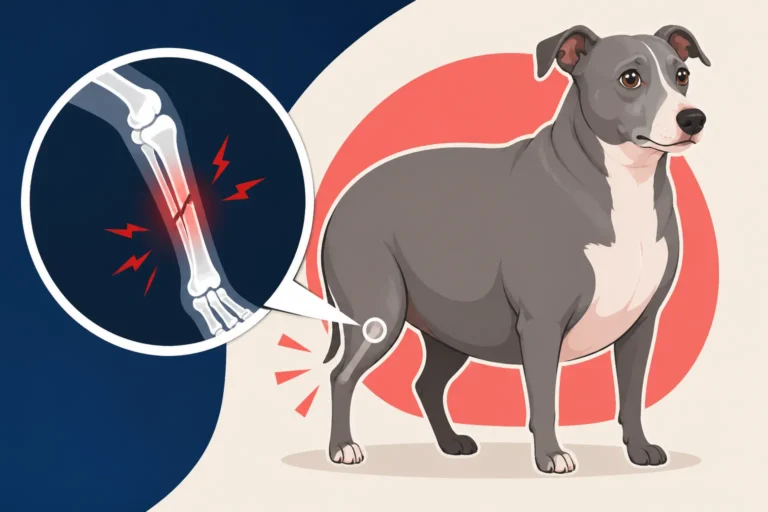
When an Italian Greyhound's nails are too long, they hit the ground before the paw pads do. Think about it: instead of a soft, flexible landing on their natural shock absorbers, their toes are constantly pushed upwards and backwards. This forces their delicate toe joints into an unnatural position and can cause considerable pain over time. Imagine walking with tiny pebbles constantly jammed under your toenails – that’s essentially what long nails feel like to them. This discomfort alters their natural high-stepping gait, making them walk more flat-footed, or even shuffle, to avoid pain. This abnormal weight distribution doesn't just affect their paws; it travels up their legs, impacting their ankles, knees, and hips. Over time, this chronic stress can contribute to arthritis, joint pain, and even increase the risk of slips and falls, which for a breed prone to fractures, is a huge concern. A simple jump off the sofa can become far more dangerous if their traction is compromised by overgrown nails, potentially leading to a devastating injury like A Broken Leg Is the Emergency Every Italian Greyhound Owner Fears.
How Often Should You Really Be Trimming Your Italian Greyhound's Nails?
Alright, let's get down to brass tacks. How frequently are we actually talking about here? If you're currently trimming once a month, prepare for a bit of a shift in your routine. For most Italian Greyhounds, that's simply not enough.
The Ideal Frequency: More Often Than You Think
For the vast majority of Italian Greyhounds, the ideal nail trimming frequency is weekly, or at the very least, every two weeks. Yes, you read that right – every seven to fourteen days! This might sound excessive, especially if you're used to trimming other breeds less frequently, but it's crucial for managing their fast-growing nails and keeping the quick short. When you trim weekly, you're only taking off a very small amount of nail each time, usually just the very tip. This means you're far less likely to "quick" them, making the experience less traumatic for everyone involved. Regular, small trims encourage the quick to recede, allowing the nail to eventually be trimmed shorter, closer to the paw pad, which is the ultimate goal. Think of it as incremental progress; consistency is key to success here, not trying to do a massive overhaul once a month.
Factors Influencing Nail Growth
While weekly is a good general guideline, individual Italian Greyhounds aren't all cut from the same cloth. Several factors can influence how quickly their nails grow and how often they need attention:
- Activity Level: A highly active Iggy who spends a lot of time walking on hard surfaces like pavement or concrete might naturally wear down their nails more than a couch potato Iggy who mostly patrols soft carpets indoors. However, even outdoor activity on hard surfaces doesn't always wear the nails down evenly or effectively enough to negate the need for trimming entirely. The dewclaws, for example, rarely touch the ground and will always need manual trimming.
- Diet and Genetics: Believe it or not, some dogs just naturally have faster-growing nails, much like some people's hair grows faster than others. Diet can play a minor role, with some nutrient deficiencies theoretically impacting nail health and growth, but for most Iggies on a high-quality diet, it's more about genetics. If your Iggy's parents had notoriously fast-growing nails, chances are yours will too.
- Age: Puppy nails tend to be softer and grow quickly, but as your Italian Greyhound matures, their nails might harden and their growth rate could subtly change. However, the need for frequent maintenance remains throughout their How Long an Italian Greyhound Lives on Average.
The "Clicking" Sound as a Cue
One of the most immediate and undeniable signs that your Italian Greyhound's nails are too long is the dreaded "click-click-click" sound they make when walking on hard surfaces. If you can hear their nails hitting your hardwood floors or kitchen tile as they walk, they are definitely overdue for a trim. Ideally, their nails should be short enough that they don't make contact with the floor when they stand naturally. When you hear that clicking, it means their nails are already pushing up into their toe joints, and it's past time to get those clippers or grinder out. Don't wait for the clicking to start; try to stay ahead of it with your regular trimming schedule.
Tools and Techniques for Successful Nail Trimming
Approaching nail trims with the right tools and a gentle technique can transform a dreaded chore into a manageable routine. It might take some trial and error to find what works best for your particular Iggy, but persistence pays off.
Choosing the Right Clippers or Grinder
When it comes to the actual act of trimming, you have a few options, and each has its pros and cons, especially for the fine nails of an Italian Greyhound.
- Scissor-style clippers: These are often the easiest for beginners and offer good control for small, delicate nails. Brands like Safari or Millers Forge make excellent, sharp options.
- Guillotine clippers: While popular for some breeds, these can sometimes be a bit clunky for an Iggy's slender nails and may cause more crushing than a clean cut if not sharp.
- Nail grinders (like a Dremel): Many Italian Greyhound owners swear by grinders. They allow you to remove tiny amounts of nail at a time, making it much easier to avoid the quick, especially with dark nails. The downside is the noise and vibration, which can be intimidating for some dogs. If you go this route, ensure you're using a pet-specific grinder or a Dremel with a fine-grit sanding drum. You can find a wide array of clippers and grinders on sites like Amazon or Chewy, often with reviews from other small dog owners to guide your choice.
No matter which tool you choose, ensure it's sharp and well-maintained. Dull clippers can crush the nail, causing pain and splintering.
The Art of a Gentle Approach
Italian Greyhounds are sensitive souls, and a rough or forceful approach to nail trimming will only breed fear and resistance. The key is to be gentle, patient, and methodical.
- Start with touch: Even before you bring out the tools, get your Iggy used to having their paws handled. Gently hold their paws, spread their toes, and touch their nails every day, rewarding them with praise and treats. This desensitization is critical.
- Introduce the tool: Let them see and sniff the clippers or grinder. Turn the grinder on briefly away from them so they get used to the sound, again, with positive reinforcement.
- Small steps: Don't try to do all four paws, or even all nails on one paw, in a single session. Aim for one nail, or even just a few, especially in the beginning. Success is built on tiny wins.
- The Angle: When clipping, try to cut at a 45-degree angle, just below the quick, to maintain the natural shape of the nail. If using a grinder, gently round the tip.
Remember, patience is a virtue, especially with a breed that often has a low pain tolerance and high anxiety around new experiences.
Dealing with the Dreaded Quick
It happens to the best of us: you're trimming, and suddenly there's a yelp and a tiny bead of blood. You've hit the quick. While it's upsetting, try not to panic.
- Styptic powder: This is your best friend. Have it on hand every single time you trim nails. Simply press a pinch of the powder onto the bleeding quick, apply gentle pressure for a few seconds, and the bleeding should stop quickly.
- Stay calm: Your reaction will dictate your Iggy's. If you get upset, they'll pick up on it and associate nail trims with fear. Speak in a calm, soothing voice, offer reassurance, and if necessary, take a break and try again later.
- Don't give up: One bad experience doesn't mean you should abandon nail trims. It just means you need to recommit to gentle, consistent positive reinforcement. Hitting the quick occasionally is part of the learning curve for both of you, but with careful, frequent trims, it will become a rare occurrence.
Making Nail Trimming a Positive Experience (or at Least Tolerable!)
Let's face it, no Italian Greyhound is going to love getting their nails trimmed, but we can certainly shift it from a terrifying ordeal to a mildly inconvenient, treat-filled ritual. The key is in making it predictable, positive, and palatable.
Starting Early: Puppyhood Prep
The best time to start getting your Italian Greyhound comfortable with nail trims is as a tiny puppy. Their bones are still hardening, and their minds are like sponges, soaking up every new experience. The First Year With an Italian Greyhound Puppy is full of new experiences, and nail care should be one of the top priorities for gentle introduction.
- Gentle handling: From the day you bring them home, frequently touch their paws, toes, and nails. Make it part of your daily cuddle time. Associate this touch with positive things – soft voices, gentle strokes, and tiny, high-value treats.
- Tool introduction: Let the puppy investigate the clippers or grinder with their nose. Hold it near them while you give treats. Turn on the grinder for a second or two, far away, then closer, always pairing it with delicious rewards.
- Mock trims: Even before you actually cut a nail, go through the motions. Hold their paw, hold the clippers to a nail, then give a treat. Repeat. The goal is to build positive associations with every step of the process.
The more exposure they have to these sensations and tools in a calm, positive way when they're young, the less likely they are to develop fear and resistance as adults.
Routine and Consistency
Italian Greyhounds thrive on routine and predictability. Establishing a consistent schedule for nail trims can significantly reduce anxiety. They learn what to expect, and that expectation, when consistently positive, can become less frightening.
- Pick a day and time: Try to do nail trims around the same time each week. Maybe it's Sunday afternoon cuddles, or Tuesday evening while you're watching your favorite show.
- Set the mood: Choose a quiet, calm environment where your Iggy feels safe. Soft lighting, a comfy blanket, and perhaps some calming music can help. Avoid trying to do it when the house is bustling or when your Iggy is already overstimulated.
- Short and sweet: Remember the goal is frequent, tiny trims. If your Iggy is particularly anxious, just do one or two nails, then stop and praise them lavishly. You can always do more later or the next day. The less stressful each individual session is, the more positive the overall association becomes. This is a marathon, not a sprint. Teaching an Italian Greyhound to Settle Alone can also help them understand calm time.
Rewards and Praise
This is arguably the most important element of making nail trims tolerable. Italian Greyhounds are incredibly food-motivated, and high-value treats can be a game-changer.
- High-value treats: Forget the everyday kibble. For nail trims, bring out the good stuff! Think small pieces of cooked chicken, cheese, or even soft, chewy training treats from brands like Ollie. These are the treats they only get for this specific activity, making them extra special.
- "Lickable" distractions: A common trick is to smear a small amount of peanut butter (xylitol-free!) or pureed pumpkin on a Lickimat or directly onto a piece of plastic wrap on the wall. This gives your Iggy something delicious to focus on and keeps them still while you work.
- Verbal praise and affection: Combine those high-value treats with enthusiastic, calm verbal praise. "Good job! Such a brave pup!" and gentle pets or scratches in their favorite spots reinforce the positive experience. Even if you only managed one nail, celebrate it like they just won Best in Show. They pick up on your energy, and positive reinforcement goes a long way.
When to Seek Professional Help
Sometimes, despite our best efforts, a professional touch is needed. There's absolutely no shame in recognizing when you need to call in the cavalry, especially with a breed as delicate and sometimes sensitive as the Italian Greyhound.
Vets and Groomers: Specialized Knowledge
If nail trims become a full-blown wrestling match, or if you're genuinely afraid of hurting your Italian Greyhound, it's time to consider professional help. Many veterinary clinics offer nail trimming services, and some professional groomers are excellent with anxious dogs.
- Sighthound-experienced vets: If your Italian Greyhound is particularly resistant or has dark nails where the quick is hard to see, a veterinarian familiar with sighthounds can be invaluable. They understand the breed's delicate nature and temperament, and might even have specific techniques that work best. When you're looking for a vet, don't hesitate to ask if they have experience with Italian Greyhounds, as their unique physiology, including their lean build Why an Italian Greyhound Carries Almost No Body Fat and fragile bones Why an Italian Greyhound's Radius Is the Bone That Breaks, often requires a slightly different approach to routine care. Finding What a Sighthound Experienced Vet Charges might be a factor, but the peace of mind can be priceless.
- Certified groomers: Some groomers are incredibly patient and skilled at handling nervous dogs. Look for one who uses positive reinforcement techniques and is willing to take their time. A quick, traumatic experience at a groomer is just as bad as one at home. Don't be afraid to do a "meet and greet" first, where your Iggy can visit the groomer without any actual trimming taking place, just for a positive social experience.
Sedation for Stubborn Cases
For a small percentage of Italian Greyhounds, nail trimming can be so traumatic that it causes extreme stress, fear, and even aggression. In these rare but real cases, your veterinarian might suggest sedation.
- Veterinary oversight: This is a decision that should always be made in consultation with your vet. They can assess your Iggy's overall health during a How Often an Italian Greyhound Needs a Wellness Exam and determine if sedation is a safe and appropriate option.
- Types of sedation: There are varying levels of sedation, from mild oral sedatives that take the edge off, to more comprehensive sedation that requires monitoring at the clinic. Your vet will discuss the best option for your dog. For more information, check out Sedation for an Italian Greyhound's Nail Trim.
- Last resort, but sometimes necessary: While no one wants to sedate their dog for a routine procedure, sometimes it's the kindest option. Chronic stress and fear surrounding nail trims can have a negative impact on your Iggy's overall well-being. If it means they can get their necessary paw care without prolonged suffering, it's a valid consideration.
Here's a quick comparison of the two main at-home nail trimming methods:
| Feature | Nail Clippers (Scissor/Guillotine) | Nail Grinder (Dremel) |
|---|---|---|
| Speed | Generally faster for quick trims | Slower, more gradual removal of nail |
| Precision | Good precision with sharp clippers | Excellent precision, less risk of hitting the quick |
| Ease of Use | Can be intimidating to avoid the quick | Requires desensitization to noise/vibration |
| Best For | Experienced owners, light nails | Dark nails, quick-phobic dogs, maintaining short nails |
| Dog's Comfort | Can be startling if not accustomed | Can be scary due to sound/vibration; can be soothing if desensitized |
| Result | Clean cut, can leave sharp edges | Smooth, rounded edge |
| Cost | Lower initial cost | Higher initial cost (for a good quality grinder) |
| Learning Curve | Moderate to high (avoiding quick) | Moderate to high (desensitization, proper technique) |
Ultimately, keeping your Italian Greyhound's nails trimmed short and neat is one of the most important, yet often overlooked, aspects of their care. It directly impacts their comfort, their ability to move freely, and their long-term joint health. It's a commitment, requiring consistency and patience, but the health and happiness of your delicate companion are absolutely worth it. So, grab your clippers or grinder, a handful of high-value treats, and let's make those little paws happy.
Disclaimer
This article is for general informational purposes only and does not constitute professional advice. Laws, prices and regulations vary by location and change over time. Consult a qualified professional for guidance on your specific situation.