What a Hypothyroid Italian Greyhound Looks Like
It’s truly disheartening when your energetic Italian Greyhound, once a whirlwind of playful antics, starts to slow down, gain weight, or develop a dull coat. These changes are often dismissed as normal aging or a change in diet, but for many Italian Greyhound owners, they can be the subtle, easily overlooked signs of an underactive thyroid. This comprehensive guide will walk you through what a hypothyroid Italian Greyhound actually looks like, helping you recognize the often-vague symptoms so you can advocate for your beloved companion.
Understanding Hypothyroidism in Italian Greyhounds
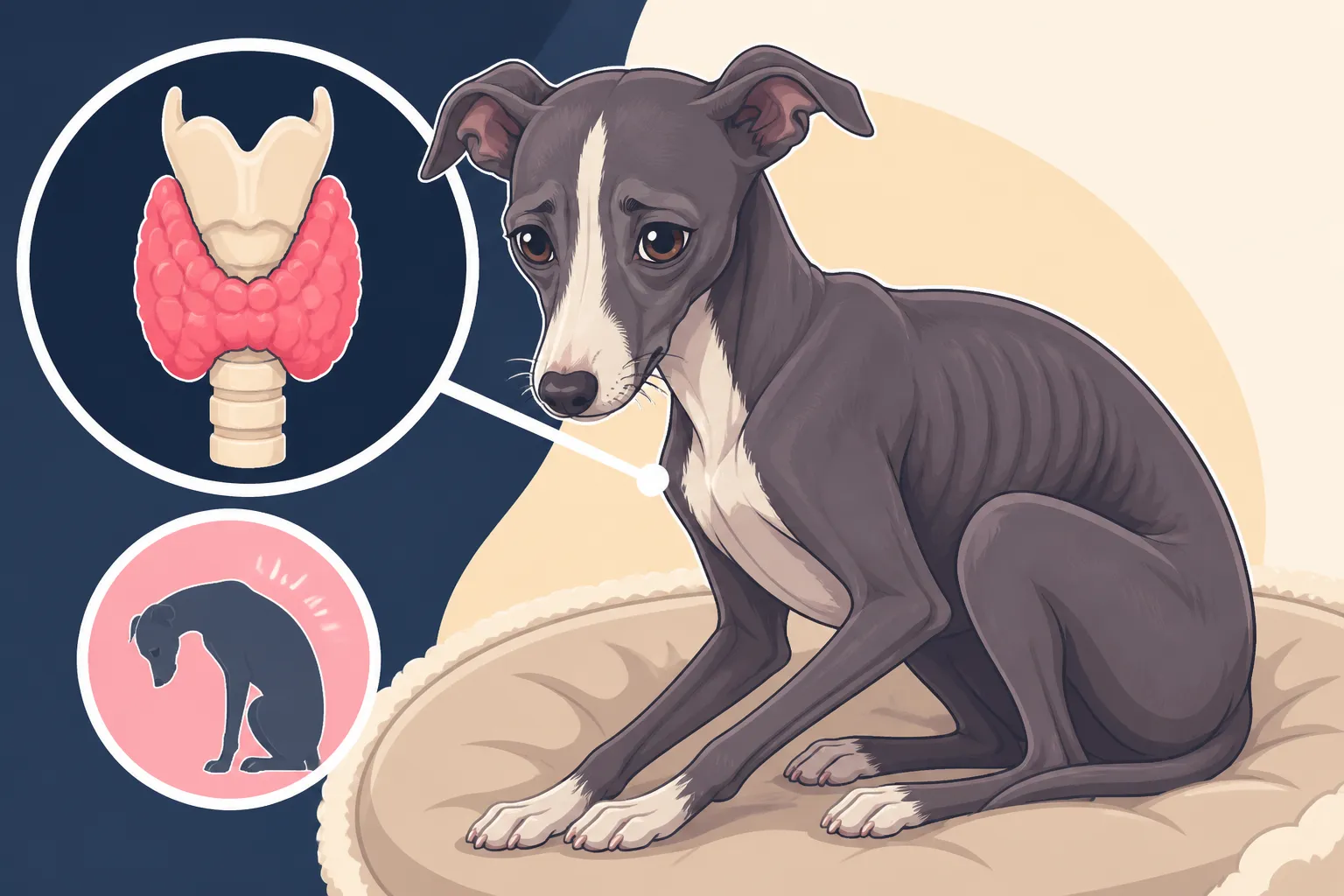
Hypothyroidism is a condition where the thyroid gland, located in your dog's neck, doesn't produce enough thyroid hormones. These hormones are absolutely crucial for regulating metabolism, energy levels, skin and coat health, and even cognitive function. When production dips, almost every system in the body can be affected, leading to a cascade of sometimes baffling symptoms.
The Role of the Thyroid Gland
Think of the thyroid gland as the body's internal thermostat and energy regulator. It produces hormones like thyroxine (T4) and triiodothyronine (T3) that control how quickly the body uses energy. These hormones influence heart rate, body temperature, digestion, and the rate at which cells replace themselves. In a healthy Italian Greyhound, this system hums along efficiently, supporting their lean physique, rapid metabolism, and boundless energy. When it's not working correctly, the entire system slows down, much like a car running on low fuel. It’s not just about a dog being a bit tired; it's a fundamental shift in how their body functions at a cellular level.
Why Italian Greyhounds Are Susceptible
While any dog breed can develop hypothyroidism, Italian Greyhounds, like many sighthounds, have some unique physiological characteristics that can make diagnosis tricky. For one, sighthounds naturally tend to have lower baseline thyroid hormone levels compared to other breeds. This "sighthound thyroid pattern" can sometimes lead to misdiagnosis or complicate the interpretation of standard blood tests. A veterinarian unfamiliar with these breed-specific norms might incorrectly diagnose a healthy Italian Greyhound as hypothyroid, or conversely, miss a genuine case because the numbers aren't drastically low by typical breed standards. This is why it's so important to find a vet who understands the nuances of sighthound physiology. Many responsible breeders ensure that they screen their dogs, and you might want to look into What an Italian Greyhound Breeder Should Have Tested before bringing a puppy home.
Additionally, autoimmune thyroiditis, where the dog's immune system mistakenly attacks its own thyroid gland, is a common cause of hypothyroidism in many breeds, and Italian Greyhounds are not immune to such autoimmune diseases. Genetic predispositions can play a role, making some lines more susceptible. The insidious nature of the disease often means symptoms develop gradually over months or even years, making them easy to dismiss until they become quite pronounced.
Recognizing the Subtle Signs of Hypothyroidism
Spotting hypothyroidism in your Italian Greyhound can be like trying to catch smoke – the signs are often subtle, diffuse, and can easily be attributed to other factors. Many owners only realize something is truly wrong when their dog is already well into the progression of the disease. However, knowing what to look for can make all the difference, allowing for earlier intervention and better quality of life.
Coat and Skin Changes
One of the most common and noticeable signs of hypothyroidism in an Italian Greyhound will manifest in their beautiful, fine coat and delicate skin. You might start to notice their normally sleek, glossy hair becoming dry, brittle, and dull. It might feel coarser to the touch, losing its characteristic softness. Hair loss, or alopecia, is another tell-tale sign, often appearing symmetrically on the flanks, chest, or tail. Unlike typical shedding, this hair loss won't grow back readily, and the affected areas might become completely bald over time. This isn't just cosmetic; the skin in these areas can also become dry, flaky, or even thick and scaly, a condition known as "rat tail" or "puppy coat" when seen on the tail.
Some Italian Greyhounds might develop recurrent skin infections, as their compromised skin barrier becomes more vulnerable to bacteria or yeast. Patches of skin might darken (hyperpigmentation), especially in areas of friction or chronic irritation. Owners might also report increased itching, despite no obvious signs of fleas or other parasites. It’s a frustrating cycle where the body isn't regenerating skin and hair cells efficiently, leading to a visible decline in their overall dermal health. This is a stark contrast to their normal, low-maintenance Why an Italian Greyhound's Coat Takes Five Minutes a Week routine.
Behavioral and Energy Shifts
Perhaps the most heartbreaking changes to witness are those impacting your Italian Greyhound's personality and energy levels. A hypothyroid IG often experiences a significant drop in their usual vivacity. Where they once delighted in zoomies and spirited play, they might now seem lethargic, preferring to nap more often and showing less interest in walks or games. Their playful spark might dim, and they may appear generally subdued or even depressed. Owners often describe them as "slowing down" or "acting old before their time."
You might also notice changes in their tolerance for cold. Italian Greyhounds are famously sensitive to chilly temperatures due to their low body fat and thin coats, often needing Keeping an Italian Greyhound Warm Is Daily Work, Not a Winter Job. However, a hypothyroid Italian Greyhound might shiver excessively even in moderately cool indoor temperatures, or become unusually reluctant to go outside in anything but perfect weather. Their internal thermostat is essentially broken, making them feel perpetually cold. If your usually resilient senior Italian Greyhound, who has always loved a brisk walk, suddenly seems to dread going out in mild weather, it could be more than just typical What Changes in an Italian Greyhound After Eleven signs of aging.
Beyond lethargy, some dogs can exhibit subtle cognitive changes, becoming less responsive, more forgetful, or even showing signs of anxiety or aggression. While these behavioral shifts can certainly be alarming and have other causes, a thyroid imbalance can certainly contribute, impacting brain function as well. Owners often chalk it up to stubbornness or just "being an IG," but it’s worth investigating if it’s a sudden and uncharacteristic change. For some Italian Greyhounds, thyroid disease can sometimes occur alongside other neurological conditions, like Epilepsy and Thyroid Disease in an Italian Greyhound, making diagnosis even more critical.
Weight and Body Condition Indicators
Italian Greyhounds are renowned for their lean, athletic build, often carrying Why an Italian Greyhound Carries Almost No Body Fat. They are generally lithe and graceful, making any significant weight gain particularly noticeable. A hypothyroid Italian Greyhound might start to gain weight despite no changes in their diet or exercise routine. This weight gain isn't typically due to increased fat deposition but rather a slower metabolism, leading to a puffy, bloated appearance. They might look "thick" through the middle, losing their distinctive elegant silhouette. This isn't just aesthetically displeasing; excess weight puts strain on their delicate joints and can exacerbate other health issues.
Conversely, a small percentage of hypothyroid dogs might actually lose weight, though this is less common. More typically, the lethargy combined with a slower metabolism results in an insidious weight creep that owners struggle to reverse. You might also notice muscle weakness or a general flabbiness that was not present before, as the body’s ability to maintain muscle mass is also impacted by thyroid hormones. It’s not just a matter of feeding them less or exercising them more; their body isn’t processing energy efficiently, making weight management a frustrating battle without proper medication.
Here's a quick comparison of what you might see:
| Symptom Category | Healthy Italian Greyhound | Hypothyroid Italian Greyhound (Early/Moderate) | Hypothyroid Italian Greyhound (Advanced) |
|---|---|---|---|
| Energy Level | Playful, active, zoomies | Slightly subdued, less enthusiasm for play | Very lethargic, sleeps excessively, reluctance to move |
| Coat Appearance | Silky, shiny, fine, short | Dull, dry, brittle, coarser texture | Significant hair loss (alopecia), especially on flanks/tail, very coarse |
| Skin Condition | Supple, smooth, delicate | Dry, flaky, mild thickening, possible dandruff | Thickened, hyperpigmented, scaly, recurrent infections |
| Body Weight | Lean, athletic, ribs slightly visible | Gradual, unexplained weight gain, slightly puffy | Noticeable weight gain, obese, muscle wasting |
| Cold Tolerance | Sensitive, shivers in cold, needs coats | Increased sensitivity, shivers easily indoors | Profound intolerance, seeks extreme warmth, chills easily |
| Behavior | Alert, curious, affectionate | Mildly withdrawn, less responsive, "acting old" | Depressed, disinterested, potentially anxious/aggressive |
When to Consult Your Veterinarian
If you've noticed several of the subtle signs mentioned above, it's absolutely time to schedule an appointment with your veterinarian. Don't wait until the symptoms are severe; early detection and treatment can prevent further progression and significantly improve your Italian Greyhound's quality of life. It’s always better to rule out a treatable condition than to let your beloved companion suffer unnecessarily.
Diagnostic Process for Hypothyroidism
Diagnosing hypothyroidism isn't always a straightforward process, especially with Italian Greyhounds. Your vet will start with a thorough physical examination and discuss your observations about your dog's symptoms and history. They'll be looking for classic signs like poor coat quality, weight gain, and lethargy. The next step typically involves blood tests.
Standard blood panels usually include a complete blood count (CBC) and a biochemistry profile. While these might show some nonspecific changes (like mild anemia or elevated cholesterol), the definitive diagnosis relies on specific thyroid hormone tests. These commonly include:
- Total T4 (TT4): Measures the total amount of thyroxine in the blood. This is a good screening test, but it can be affected by non-thyroidal illnesses or certain medications.
- Free T4 (fT4): Measures the amount of unbound, biologically active thyroxine. This is generally considered more accurate and less influenced by other factors than TT4, especially in sighthounds.
- TSH (Thyroid Stimulating Hormone): In healthy dogs, as thyroid hormone levels drop, the pituitary gland releases more TSH to stimulate the thyroid. So, a low T4/fT4 combined with a high TSH is a strong indicator of primary hypothyroidism.
- Thyroid Autoantibody Tests (TgAA): These tests detect antibodies that attack the thyroid gland, indicating an autoimmune cause, which is quite common.
It's crucial that your vet considers the "sighthound effect" when interpreting these results. They should be aware that Italian Greyhounds naturally have lower T4 levels, and what might be considered low for a Labrador could be normal for an IG. Sometimes, a full thyroid panel, which includes multiple measurements and possibly repeat testing, is necessary to get a clear picture. Discussing your concerns with a vet familiar with the unique aspects of Why an Italian Greyhound's Thyroid Reading Reads Low can make a huge difference in getting an accurate diagnosis. Many pet insurance providers, like Healthy Paws, emphasize wellness and diagnostic testing, so checking your policy for coverage on these tests can be helpful for budgeting. Regular check-ups, as outlined in How Often an Italian Greyhound Needs a Wellness Exam, are key to catching issues early.
Managing Hypothyroidism in Your IG
The good news is that hypothyroidism is a very treatable condition! Once diagnosed, your Italian Greyhound will likely be prescribed synthetic thyroid hormone replacement medication, typically levothyroxine. This medication is usually given orally, once or twice a day, and it's something they'll need for the rest of their lives.
It's important to administer the medication consistently and exactly as prescribed by your vet. You should start to see improvements in your Italian Greyhound's energy levels, appetite, and overall demeanor within a few weeks. Skin and coat changes, however, may take several months to fully resolve as hair growth is a slower process. Think of it as restarting a slow-moving engine; it takes time to get back to full speed.
After starting treatment, your vet will schedule follow-up blood tests, usually around 4-8 weeks later, to monitor their thyroid hormone levels and adjust the medication dosage as needed. These tests are essential to ensure the dose is optimal – too low, and symptoms persist; too high, and they could experience hyperthyroid symptoms like restlessness, increased thirst, and weight loss. Once a stable dose is achieved, monitoring usually shifts to once or twice a year, often coinciding with their What an Italian Greyhound's Annual Checkup Costs. This ongoing care is vital for maintaining their health and ensuring they can truly enjoy their Why an Italian Greyhound Lives Fourteen to Fifteen Years. Having comprehensive pet insurance, such as a plan from Healthy Paws, can certainly help manage the recurring costs of medication and regular blood work, making long-term management less of a financial burden.
Living with a hypothyroid Italian Greyhound means being vigilant and understanding that while the condition is manageable, it requires lifelong commitment to medication and monitoring. With proper care, your IG can return to their happy, active self, proving that Whether the Italian Greyhound Is a Healthy Breed is often a matter of proactive care and recognizing the signs.
Disclaimer
Please note that this article is intended for informational purposes only and should not be taken as professional veterinary advice. Always consult with a qualified veterinarian for any health concerns or before making any decisions about your pet's medical care.