Whether a Doggy Door Helps an Italian Greyhound
The daily dance around potty time can be a true struggle for Italian Greyhound owners, especially when you're battling the clock, unpredictable weather, or a sensitive little dog who thinks rain is lava. The idea of a doggy door, granting your tiny shadow the freedom to take care of business on their own schedule, sounds like a dream come true for many. This guide will dive deep into whether a doggy door is a practical and safe solution for your beloved Italian Greyhound, exploring the benefits, challenges, and vital considerations unique to this delicate breed.
The Italian Greyhound's Unique Potty Predicament
Let's be real, housetraining an Italian Greyhound isn't always a walk in the park—sometimes it feels more like a slow, drizzly crawl through a swamp. These wonderful little dogs, despite their intelligence and desire to please, often present unique challenges when it comes to consistent potty habits. Understanding these specific quirks is the first step in deciding if a doggy door could be a genuine help or just another headache.
Weather Sensitivity and the Great Outdoors
One of the biggest hurdles for any Italian Greyhound owner is their dog's profound aversion to anything less than perfect weather. A brisk breeze, a light drizzle, or even just a cloud passing over the sun can turn a promising potty break into a frozen statue contest at the back door. It's not uncommon to find an Iggy shivering uncontrollably and refusing to budge the moment a single snowflake dares to fall. They truly feel the cold, right down to their bones, because they Why an Italian Greyhound Carries Almost No Body Fat. This intense sensitivity means that even if you have a perfectly trained dog, the elements can completely derail their outdoor routine. Many owners face the frustration of ushering their Iggy outside only for them to do the "phantom pee" dance, coming back inside only to relieve themselves on your favorite rug a few minutes later.
Small Bladders and Frequent Potty Breaks
Italian Greyhounds, being small dogs, naturally have small bladders. This isn't groundbreaking news, but it's a critical factor in their housetraining journey and daily routine. Puppies, especially, need to go out with incredible frequency—sometimes every 20-30 minutes when they're awake, and definitely after every meal, play session, or nap. Trying to keep up with this schedule, particularly if you work from home with deadlines or have a busy family life, can feel like a full-time job in itself. Even adult Iggies often prefer to relieve themselves more frequently than larger breeds, meaning that waiting several hours between trips outside can be a real ask for them, sometimes leading to accidents purely out of necessity, not defiance. You might notice your adult Italian Greyhound struggling to hold it for an entire eight-hour workday if they don't have adequate opportunities.
Housetraining Challenges and Regressions
It's a common lament among Italian Greyhound enthusiasts that this breed can be notoriously difficult to housetrain. They are often described as having "paper training" challenges, meaning they might use indoor potty pads reliably but struggle to transition to 100% outdoor elimination. This isn't usually due to a lack of intelligence; rather, it's a combination of their weather sensitivity, small bladder capacity, and sometimes a preference for cleaner, drier surfaces. They also seem particularly prone to regression. A perfectly housetrained adult Iggy can suddenly start having accidents if there's a change in routine, a new stressor, or, yes, if the weather turns. Housetraining an Italian Greyhound Is the Hardest Part of Owning One for many owners, and a doggy door is often considered a potential "fix" for these persistent issues, offering continuous access to the designated potty area without constant human intervention.
Understanding Doggy Doors: Types and Considerations
If you're contemplating a doggy door for your Italian Greyhound, you'll quickly realize it's not a one-size-fits-all product. There's a surprising array of options, each with its own set of features, benefits, and potential drawbacks, especially when considering the unique needs of a delicate sighthound.
Manual Flaps vs. Electronic Access
At its most basic, a doggy door is a simple flap that your dog can push through. These manual flaps are generally the most affordable and easiest to install. They work by gravity or a simple magnet to keep them closed, but they offer minimal security and insulation. Any critter can push their way in, and drafts are a significant concern, which is a big deal for an Iggy who cannot hold its own heat (Why an Italian Greyhound Cannot Hold Its Own Heat) and needs to stay warm.
On the other end of the spectrum, you have electronic doggy doors. These are often much more sophisticated, featuring RFID or magnetic tags worn on your dog's collar. The door only unlocks and opens when your specific dog approaches, offering a much higher level of security against strays, wildlife, and even human intruders (though no dog door is truly burglar-proof). They also tend to be better insulated, which is a huge plus for keeping your home energy- efficient and your Italian Greyhound comfortable. Brands found on platforms like Amazon offer a wide range of electronic options, from basic models to those with advanced programming features. Some even allow you to set schedules for when the door can be used.
Sizing for a Sighthound's Specific Build
When choosing a doggy door, size isn't just about your Italian Greyhound fitting through it. It's about their unique body structure. Iggies are sleek, slender dogs with long, delicate legs and narrow bodies. A door that's too wide might compromise security, while one that's too short could force them to crouch uncomfortably, potentially causing stress or even injury to their sensitive joints over time. You need to measure your Italian Greyhound carefully: their height to the top of their shoulder (with head down, standing naturally) and their width at the widest point (usually the chest). The top of the door opening should be at least one inch higher than your dog's shoulder, and the width should comfortably accommodate their chest without squeezing. It’s also crucial to consider the rise—how high your dog has to step over the bottom of the door. Too high a rise can be awkward for their delicate frame and could lead to them The Jump Off the Sofa That Breaks an Italian Greyhound's Leg if they misjudge the step, especially as they get older or if they develop Arthritis in an Italian Greyhound's Healed Leg.
Security Concerns for Small Breeds
For any dog owner, security is a major consideration, but it takes on added importance with a small, valuable, and sometimes timid breed like the Italian Greyhound. A doggy door, by its very nature, creates an opening in your home. With a manual flap, you run the risk of other animals—neighborhood cats, raccoons, opossums, or even stray dogs—gaining access to your home, which could be terrifying for your Iggy and create an unsanitary environment. There's also the concern, albeit less common, of human intruders. While a large dog door might be an entry point for a small person, an Italian Greyhound-sized door is generally too small for human entry. However, a clever thief might still use it to manipulate locks or survey the inside of your home. Electronic doors, with their selective access, significantly mitigate these risks, but it's important to understand that no system is foolproof. Thinking about where the doggy door leads, whether it's into a securely fenced yard, is also paramount. Why an Italian Greyhound Cannot Be Trusted Off Leash, Ever means that open access to an unfenced area is an absolute no-go.
Here's a quick comparison of common doggy door types:
| Feature | Manual Flap Door | Electronic/RFID Door |
|---|---|---|
| Cost | Generally lower upfront | Significantly higher upfront |
| Security | Low (any animal can enter/exit) | High (only pets with programmed tag can enter/exit) |
| Insulation | Poor (can cause drafts, heat/AC loss) | Good (often double-flapped, magnetic seal) |
| Installation | Easier, often DIY-friendly | More complex, may require professional installation |
| Maintenance | Simple (check hinges, replace flap if damaged) | Battery changes, sensor cleaning, occasional tag issues |
| Best For | Less concern about security/weather, strict budget | High security/insulation needs, multiple pets, peace of mind |
The Potential Benefits of a Doggy Door for Your Iggy
Despite the considerations, a well-chosen and properly installed doggy door can genuinely improve the quality of life for both you and your Italian Greyhound, addressing some of the most common frustrations that come with owning this unique breed.
Freedom and Autonomy for Potty Breaks
One of the most obvious and appealing benefits is the newfound freedom it offers your Italian Greyhound. Instead of waiting for you to notice their subtle cues or constantly asking to go out, they can simply step outside when nature calls. This autonomy can be a game-changer for Iggies with Why an Italian Greyhound Has a Small Bladder who need to eliminate frequently throughout the day. It empowers them to manage their own potty needs, which can reduce anxiety and the likelihood of accidents inside. Imagine your Iggy waking from a nap, casually strolling to the door, and handling their business without you even having to pause your Netflix binge. This self-sufficiency can greatly reduce stress for dogs who might otherwise hold it for too long, potentially leading to discomfort or even urinary issues.
Reducing Owner Stress and Accidents
Let's be honest, cleaning up indoor accidents is a huge source of stress for owners. The constant vigilance, the interrupted meetings, the frantic dashes outside when you finally notice the circling or sniffing—it all adds up. A doggy door, by providing consistent access to an outdoor potty area, can significantly reduce the frequency of these frustrating incidents. This means less scrubbing carpets, less worrying about missed cues, and more peace of mind for you. It's particularly beneficial during those transitional periods in housetraining, or when your Iggy experiences a weather-induced regression. You might find that the battles over cold, wet paws are a thing of the past, as your Iggy can quickly dash out, do their business, and dart back in without enduring prolonged exposure to the elements. This reduces the chances of them refusing to go out when they desperately need to, which is a common problem for Italian Greyhounds who The Italian Greyhound That Refuses to Go Out in the Cold.
Encouraging Outdoor Activity (When Weather Permits)
While Italian Greyhounds aren't marathon runners, they do need regular exercise and opportunities to explore their surroundings. A doggy door can encourage more frequent, albeit shorter, bouts of outdoor activity. Your Iggy might decide to step out for a quick sunbath, a sniff around the yard, or a short burst of zoomies, even if you're not available to take them on a full walk. This extra outdoor time, even if it's just for a few minutes, contributes to their physical and mental well-being. It allows them to engage with their environment, sniff new smells, and stretch their legs in a safe, familiar space. For Iggies who are prone to The Indoor Zoomies an Italian Greyhound Gets, a doggy door provides a convenient outlet for that sudden burst of energy, potentially leading to a calmer, more settled dog indoors. Of course, this benefit hinges entirely on having a securely fenced yard, as Why an Italian Greyhound Cannot Be Trusted Off Leash, Ever and Whether an Italian Greyhound Needs a Fenced Yard are non-negotiable considerations.
The Drawbacks and Risks: Why a Doggy Door Might Not Be a Perfect Fit
While the idea of a doggy door for an Italian Greyhound has its allure, it's crucial to acknowledge the potential downsides. For such a small, delicate, and often timid breed, some of these risks can outweigh the perceived benefits.
Security Vulnerabilities and Critter Invasions
As mentioned earlier, security is a major concern. Even with electronic doors, there's a risk. A collar tag could fall off or get lost, leaving your Iggy without access and potentially having an accident inside, or worse, leaving the door unlocked for any passing animal if another pet's tag is inside. Manual doors are notorious for allowing unwanted guests. Imagine a neighborhood cat making itself at home in your living room, or a curious raccoon raiding your pantry. Beyond the immediate mess or fright, these intrusions can be genuinely traumatic for a sensitive Italian Greyhound, leading to fear, anxiety, or even aggression if they feel their territory is invaded. The safety of your Iggy could be compromised if they encounter a larger, aggressive animal unexpectedly through their own door. This isn't just about protecting your house; it's about protecting your dog's sense of security in their own home.
Weather Exposure and Reluctance to Use
The very problem you're trying to solve—your Iggy's aversion to bad weather—can render a doggy door useless. If it's raining, snowing, or simply too cold, your Italian Greyhound might refuse to use the door, even if it's there. They might stick their head out, shiver, and then retreat back into the warmth, still needing to go potty. This means you could end up with a high-tech, expensive opening in your wall that your dog rarely uses when you need it most. Furthermore, poor insulation in some doggy doors can lead to significant drafts, making the area around the door cold and uncomfortable for your Iggy, which again, defeats the purpose. You might also find yourself constantly having to clean up mud and wet paw prints if the door is used during inclement weather, adding a new type of mess to your life. Why an Italian Greyhound Refuses to Go Out in Rain is a deeply ingrained trait, and a doggy door won't magically change it.
Training Challenges and Unwanted Behaviors
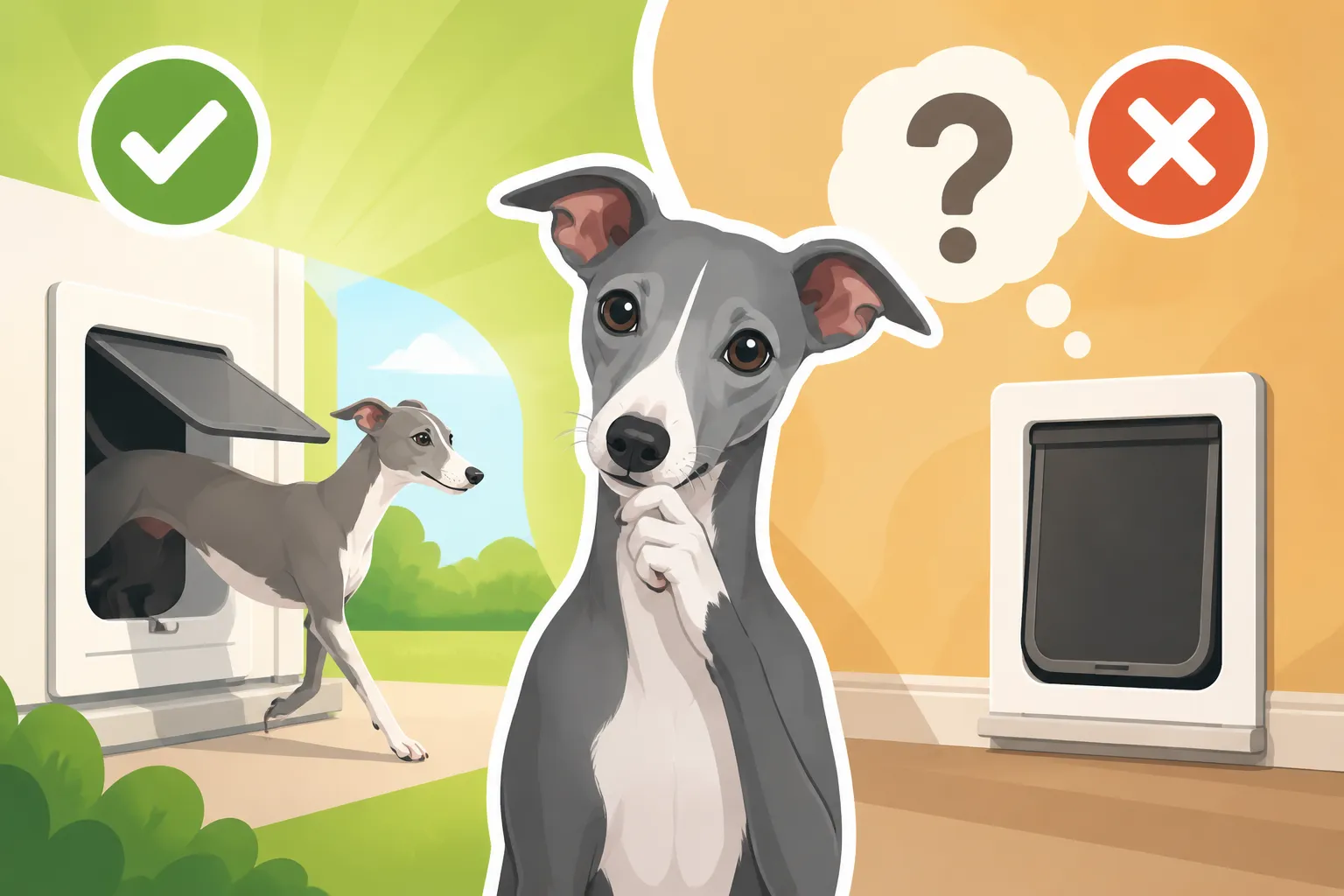
While a doggy door offers freedom, it also requires training. Some Italian Greyhounds might be wary of pushing through a flap, especially if it makes a noise or they're naturally timid. Teaching them to use it can take time and patience, requiring positive reinforcement and making the process fun and rewarding. Online training resources, such as those from BAXTER & Bella, often provide guidance on teaching dogs new skills, which could be helpful here.
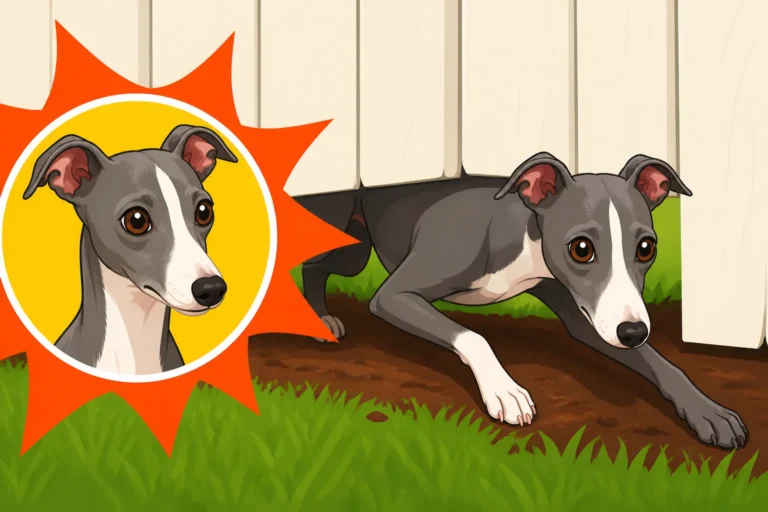
Beyond basic training, a doggy door can open the door (pun intended!) to unwanted behaviors. If your Iggy is not 100% housetrained to only go outside, they might still choose to relieve themselves indoors, especially if the weather is unappealing. The door removes your ability to directly supervise and reinforce outdoor potty habits. A doggy door also allows your Italian Greyhound unrestricted access to the yard, which might be fine for potty breaks, but could lead to issues like digging, chewing on plants, or attempting to escape if the fence isn't entirely secure. And if your Iggy has Signs an Italian Greyhound Has Separation Anxiety, a doggy door won't necessarily fix that. In fact, if they're left alone and can go outside, they might feel even more isolated, or even try to dig under the fence to find you.
Alternatives and Supplements to Doggy Doors
If the idea of a doggy door feels a bit too risky or complex for your delicate Italian Greyhound, or if you want to complement its use, there are many other strategies to help manage their potty needs and ensure their comfort.
Structured Potty Schedules and Indoor Solutions
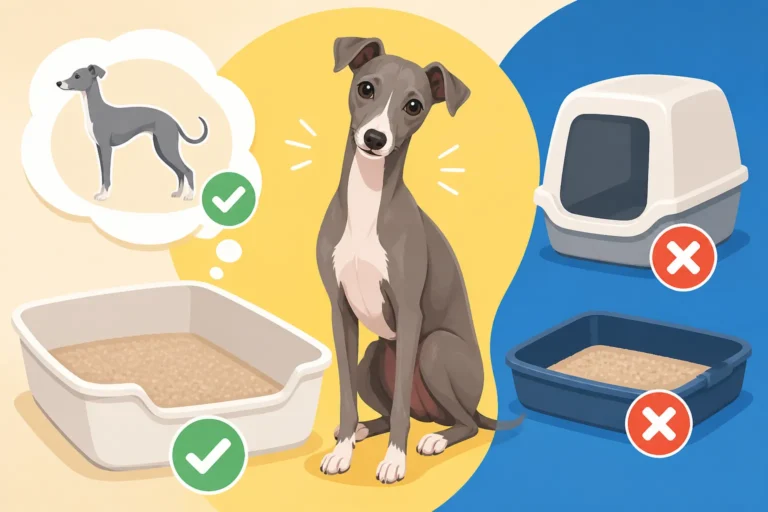
One of the most effective ways to prevent accidents is to implement a strict, predictable potty schedule. This means taking your Italian Greyhound out first thing in the morning, after every meal and nap, before bed, and regularly throughout the day. Consistency is key, especially for puppies and Iggies prone to regression. Setting a timer on your phone can be a helpful reminder. For dogs who truly despise the outdoors in bad weather, or for owners who work long hours, an indoor potty solution can be a lifesaver. This could involve Litter Box Training an Italian Greyhound with cat litter or specialized dog litter, or using Setting Up an Indoor Bathroom for an Italian Greyhound with artificial turf pads or washable pee pads. Many Italian Greyhounds take to these options quite well, offering a clean, warm alternative when outdoor access isn't feasible or desirable. The key is to make the indoor spot as appealing as possible and to consistently direct your Iggy there.
Training Aids and Professional Guidance
Never underestimate the power of good training and professional help. If you're struggling with housetraining or behavioral issues that a doggy door might exacerbate, consider enrolling in an online dog training program or working with a certified professional dog trainer. Resources like BAXTER & Bella offer comprehensive online puppy training programs that cover everything from basic obedience to housetraining challenges. A trainer can help you identify the root cause of your Iggy's potty struggles, whether it's a genuine behavioral issue, a fear of the outdoors, or simply a lack of consistent reinforcement. They can also teach you effective positive reinforcement techniques to encourage desired behaviors and build your Italian Greyhound's confidence around potty routines, both indoors and out. Sometimes, a fresh perspective and tailored advice are exactly what's needed to overcome long-standing challenges.
Creating a Safe and Accessible Outdoor Space
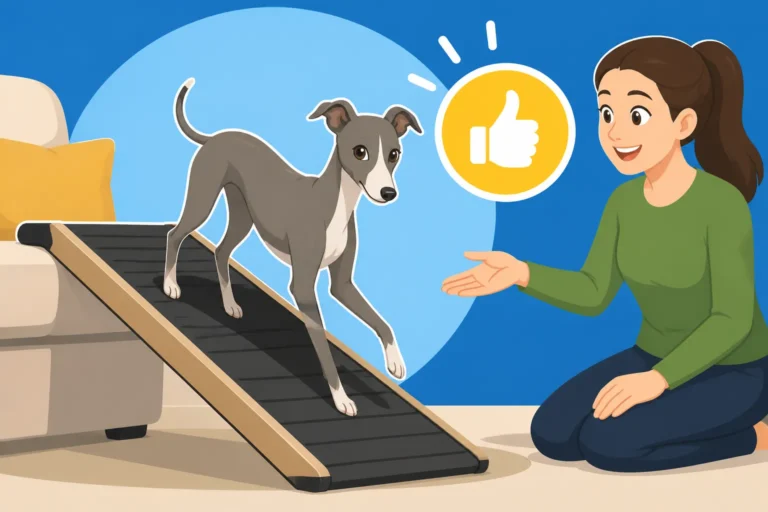
Even without a doggy door, you can make your outdoor potty area more appealing and accessible for your Italian Greyhound. Consider adding a small, covered area or a doghouse near the door where they can relieve themselves without being directly exposed to rain or snow. Some owners even install a small, heated shelter for their Iggies in colder climates. Ensure the path to this area is clear and free of ice or sharp debris. Ramps and Steps for an Italian Greyhound's Furniture are common indoors, but you might also consider a very shallow, wide ramp for outdoor steps if your Iggy struggles with them. For areas with extreme temperatures, you might even look into dog boots to protect their delicate paws from hot pavement or icy surfaces. The goal is to make the outdoor potty experience as comfortable and safe as possible, reducing any reluctance your Iggy might have about stepping outside.
Making the Decision: Is a Doggy Door Right for Your Italian Greyhound?
Ultimately, the decision to install a doggy door for your Italian Greyhound is a highly personal one, dependent on a confluence of factors unique to your specific situation, your home, and your dog's individual personality. There's no universal right or wrong answer, but by carefully weighing the pros and cons, you can make an informed choice that prioritizes your Iggy's well-being and your own peace of mind.
Assessing Your Home Environment and Lifestyle
Start by taking an honest look at your living situation. Do you have a securely fenced yard that an Italian Greyhound, known for their ability to scale and squeeze through small spaces, cannot escape from? Which Fence Height Contains an Italian Greyhound is a critical question. Is your neighborhood relatively safe from stray animals or potential intruders? How much time are you typically away from home during the day? If you work long hours and your Iggy is alone for extended periods, a doggy door might seem like a lifesaver to prevent accidents, but you'll need to double down on security. If you live in an apartment, a traditional doggy door may not even be an option, but balcony access to an enclosed potty area might be. Consider the climate you live in; a manual flap in a harsh winter climate might negate any benefits by making your home drafty and uncomfortable, while an electronic, insulated door might fare better. Think about how many Italian Greyhounds you have; Whether Two Italian Greyhounds Cost Twice as Much and their combined potty needs could certainly lean towards a doggy door, but also mean twice the potential training challenges.
Prioritizing Your Iggy's Safety and Comfort
Your Italian Greyhound's delicate physical structure and sensitive temperament must always be at the forefront of your decision. Is your Iggy prone to breaking bones? The Age an Italian Greyhound Is Most Likely to Break a Leg is under two years old, but their fragility can extend throughout their lives. Will a doggy door's rise and fall be safe for their long, slender legs and potential for Why an Italian Greyhound's Radius Is the Bone That Breaks? Is your dog generally confident, or are they easily spooked by new sounds or changes in their environment? A timid Iggy might take a long time to adjust to a doggy door, or worse, become fearful of it. The potential for encountering wildlife or neighborhood animals through a doggy door could be a significant source of stress for a small, prey-driven sighthound. Remember, your Iggy needs to feel safe and comfortable in their own home and yard.
Long-Term Commitment to Management
Even with a doggy door, your role as an Italian Greyhound owner doesn't end. If you opt for a manual door, you'll need to be diligent about locking it at night, when you leave the house, or when the weather is extreme. Electronic doors require battery maintenance for the tags and the door itself. You'll still need to regularly clean the outdoor potty area and potentially hose down the door flap. Consistent monitoring to ensure your Iggy is actually using the door appropriately and not just dashing outside to bark at squirrels (which they are prone to doing, given What an Italian Greyhound Does About Squirrels) or getting into mischief is vital. The doggy door is a tool, not a magic bullet. It can certainly ease some of the daily grind, but it requires a conscious, ongoing commitment to safety, training, and maintenance to truly integrate into a harmonious Italian Greyhound home.
Disclaimer
This article is for general informational purposes only and does not constitute professional advice. Laws, prices and regulations vary by location and change over time. Consult a qualified professional for guidance on your specific situation.