Brushing an Italian Greyhound’s Teeth Is the Care Task That Matters
One of the most common heartaches for Italian Greyhound owners, beyond the dreaded broken leg, comes in a much smaller package: their teeth. It's a truth universally acknowledged in our IG circles that these delicate little sighthounds are prone to severe dental disease, often leading to pain, infection, and early tooth loss if left unchecked. This guide is here to walk you through why dental care is so critical for your Italian Greyhound, how to tackle the daily brushing routine, and what other steps you can take to keep that adorable smile healthy for as long as possible.
The Silent Threat: Why Dental Care is Paramount for Italian Greyhounds
If you're new to Italian Greyhounds, you might not realize just how unique their dental challenges are compared to many other breeds. It’s not just a minor annoyance; it’s a significant health concern that can impact their overall quality of life and even their lifespan. Understanding why they're so susceptible is the first step in prevention.
The Breed's Predisposition to Dental Disease
Italian Greyhounds, with their elegant, elongated muzzles, often seem like they should have perfectly spaced teeth, but the reality is quite different. Their genetics and jaw structure actually set them up for a lifetime of dental woes. Unlike breeds with broader snouts, IGs often have teeth that are simply too large for their delicate jawbones. This overcrowding creates tiny crevices and overlaps where food particles and bacteria can easily get trapped, leading to plaque and tartar buildup at an accelerated rate. It’s like having a house with too many books crammed onto too few shelves – things are bound to get messy quickly.
Furthermore, the very nature of their small size and delicate bone structure means their jaws can be more fragile, making extractions a more complex procedure when they become necessary. Many owners are genuinely shocked at how quickly tartar can accumulate, sometimes starting to become noticeable even in puppies. This isn't just a cosmetic issue; it's a bacterial breeding ground that can quickly turn into a full-blown infection. Ignoring it won't make it go away; it only ensures more significant problems down the line, affecting their comfort and well-being. How Common Dental Disease Is in an Italian Greyhound covers this in more detail.
The Link Between Oral Health and Overall Well-being
It might seem dramatic to say that your Italian Greyhound's teeth affect their heart, kidneys, and liver, but it's absolutely true. Periodontal disease isn't confined to the mouth. The bacteria thriving in those infected gums can enter the bloodstream and travel throughout the body, causing systemic inflammation and damage to vital organs. Imagine living with a constant low-grade infection – it would wear you down, right? The same happens to our IGs. Over time, this chronic inflammation can contribute to serious health issues, potentially shortening their precious lives.
Many owners only become aware of the severity of dental disease when their dog is already experiencing pain, struggling to eat, or exhibiting bad breath that could knock a buzzard off a garbage truck. By that point, the disease is often advanced, requiring extensive and costly veterinary intervention, including multiple extractions. Prevention, therefore, is not just about saving money on vet bills; it's about safeguarding your beloved companion's health and ensuring they live a long, comfortable, and happy life free from preventable pain. How Dental Disease Shortens an Italian Greyhound's Life elaborates on these serious health implications.
Deciphering the Italian Greyhound Mouth: Anatomy and Common Problems
To truly understand why dental care is so crucial for our Italian Greyhounds, we need to take a closer look at their unique oral anatomy and the specific problems that often arise. It’s not just about brushing; it’s about knowing what you’re dealing with.
Understanding Their Unique Jaw Structure
Italian Greyhounds possess a dolichocephalic skull, meaning their head is long and narrow, including their muzzle. While this contributes to their elegant profile, it presents a significant challenge for their teeth. Despite the narrow jaw, they still develop the same number of teeth as larger dogs – typically 42 adult teeth. This means that overcrowding is almost inevitable. When you open your IG's mouth and peer inside, you might notice that their incisors (the tiny front teeth) are tightly packed, sometimes even overlapping. The premolars and molars further back might also be rotated or angled, creating even more spaces for plaque to hide.
This structural predisposition means that normal chewing, which helps mechanically clean teeth in some breeds, isn't always as effective for Italian Greyhounds. The way their teeth sit doesn't allow for the natural scrubbing action that might occur in a dog with a broader jaw and better-spaced dentition. This genetic lottery means they start with a disadvantage, making proactive home care and regular veterinary attention absolutely non-negotiable for their long-term health. Why an Italian Greyhound's Teeth Crowd gives more insights into this specific issue.
The Unavoidable Progression: From Plaque to Periodontal Disease
It starts innocently enough. After your Italian Greyhound eats, microscopic food particles combine with bacteria in their mouth to form a sticky film called plaque. If this plaque isn't removed within about 24-48 hours, it begins to mineralize, turning into hard, yellow-brown calculus, or tartar. Once tartar forms, you can't simply brush it away; it requires professional dental cleaning under anesthesia.
Tartar acts like a rough surface, attracting even more plaque and bacteria. This continuous buildup irritates the gums, leading to gingivitis – inflammation of the gums, characterized by redness, swelling, and sometimes bleeding. If gingivitis is left untreated, it progresses to periodontal disease. This is where the real trouble begins. The bacteria start to attack the supporting structures of the teeth, eroding the bone and ligaments that hold them in place. Pockets form between the gums and teeth, deepening and filling with pus and bacteria. This leads to excruciating pain, loose teeth, and eventually, tooth loss. Periodontal Disease Is the Italian Greyhound's Most Common Diagnosis covers this in extensive detail. It's a slow, insidious process that can cause immense suffering for your Italian Greyhound before you even realize the extent of the problem.
Retained Baby Teeth and Their Impact
Another common dental issue in Italian Greyhounds, particularly as puppies, is retained deciduous teeth, or "retained baby teeth." Normally, a puppy's baby teeth fall out as the permanent adult teeth erupt. In IGs, however, it's quite common for one or more baby teeth, especially the canines (fangs) or incisors, to stubbornly remain even after the adult tooth has started to come in. This creates a double set of teeth in the same spot, which is a significant problem.
When baby teeth are retained, they contribute immensely to overcrowding. The adult tooth is forced to erupt in an abnormal position, and the tight space between the baby and adult tooth creates a perfect trap for food and bacteria. This accelerates plaque and tartar buildup and increases the risk of early onset periodontal disease. Not only that, but an improperly aligned bite can cause discomfort and even damage to other teeth or the roof of the mouth. This is why it's so important for your vet to check your Italian Greyhound puppy's mouth carefully during their early check-ups, often recommending extraction of any retained baby teeth when they are spayed or neutered to prevent long-term complications. Retained Baby Teeth in an Italian Greyhound provides more context on this puppy problem.
The Daily Ritual: How to Successfully Brush Your Italian Greyhound's Teeth
Alright, let's get down to the brass tacks: brushing. This is the single most effective thing you can do at home for your Italian Greyhound's dental health. It might sound daunting, especially with a wiggly, sensitive IG, but with patience and the right approach, it can become a routine you both tolerate, if not enjoy!
Essential Tools for Italian Greyhound Dental Care
Before you even think about putting a brush in your IG's mouth, you need the right tools. Using human toothpaste is a big no-no, as it contains fluoride and other ingredients that are toxic if swallowed by dogs.
Here’s what you’ll need:
- Veterinary-Approved Dog Toothpaste: This is formulated to be safe for ingestion and comes in flavors appealing to dogs, like poultry, beef, or even peanut butter. Brands like Virbac C.E.T. or Petrodex are popular choices and can often be found at your vet's office, or on sites like Chewy and Amazon.
- A Proper Toothbrush: This is where many owners get stumped. A large human toothbrush won't cut it for an IG's delicate mouth.
- Finger Brushes: These slip over your finger and have soft bristles. They are great for getting puppies or nervous IGs used to the sensation, offering more control.
- Small Dog Toothbrushes: Look for brushes specifically designed for small breeds, often with angled heads and soft bristles. Some even have a dual head, with one end smaller for tighter spots.
- Child's Toothbrush (soft bristle): A very soft-bristled child's toothbrush can sometimes work, but ensure the head is small enough.
- Electric Toothbrushes for Pets: While a bigger investment, a sonic toothbrush designed for pets can be incredibly effective, using vibrations to break down plaque. However, introducing it takes even more patience due to the noise and sensation.
Having a dedicated dental kit for your Italian Greyhound, kept separate from your own, makes it easier to establish the routine.
Step-by-Step Guide to Brushing Your IG's Teeth
Consistency is key, so aim for daily brushing. If daily is impossible, every other day is a distant second best, but truly, daily is the goal for this breed.
- Introduce the Toothpaste First: Let your IG lick a tiny bit of toothpaste off your finger. Make it a positive experience! Do this for a few days without the brush.
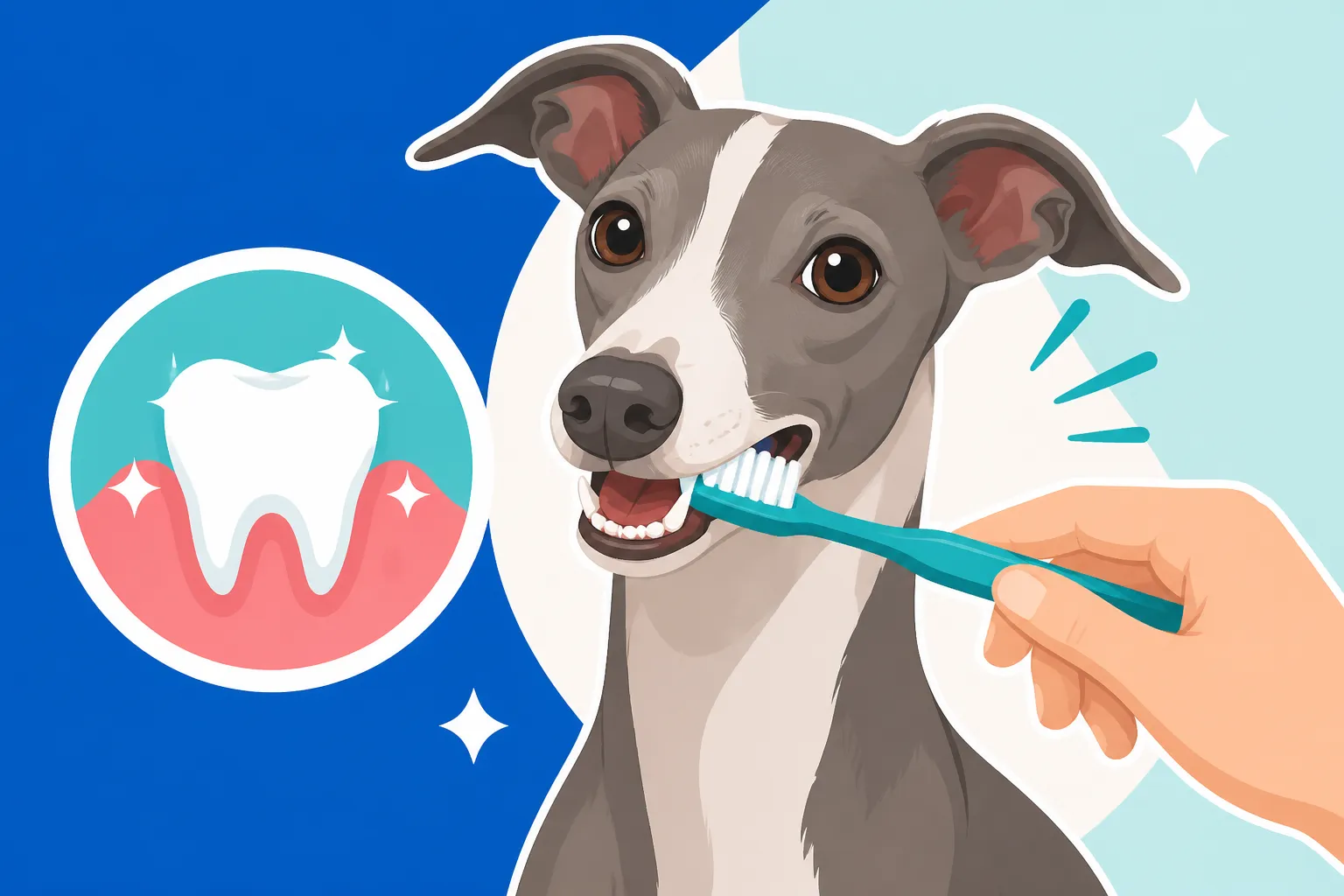
- Introduce the Finger Brush (or small toothbrush): Once they accept the toothpaste, put a tiny pea-sized amount on a finger brush. Gently lift their lip and start by just rubbing the paste on their canine teeth and the outside of their molars. Don't worry about the insides of the teeth yet; the tongue usually keeps those cleaner, and the most critical area for plaque is the outside surface near the gum line. Praise, treats, repeat.
- Gradual Brushing Motion: As they get comfortable, begin to use a gentle circular or up-and-down motion, focusing on the gum line. The goal is to gently disrupt the plaque. Work on a few teeth at a time, gradually increasing the number of teeth you brush over several sessions.
- Target the Back Teeth: The molars and premolars in the back of the mouth accumulate the most plaque and tartar. Gently pull back their cheek to access these. Again, focus on the gum line where the tooth meets the gum.
- Keep it Short and Positive: Aim for 30-60 seconds total. If they're struggling, stop before they get too stressed. End on a positive note with praise and a favorite treat. You want them to associate brushing with good things, not a battle.
- Consistency Over Perfection: Don't beat yourself up if you don't get every single tooth perfectly every day. The act of regular brushing, even if imperfect, is vastly better than no brushing at all.
Remember, this is a training process. Start slow, be patient, and celebrate every small win. Some IGs will take to it quickly, others might take weeks or months. But perseverance pays off immensely in the long run. Brushing an Italian Greyhound's Teeth Every Day and Which Toothbrush Fits an Italian Greyhound's Mouth offer more specific advice on this routine.
Beyond the Brush: Other Pillars of Italian Greyhound Dental Health
While daily brushing is truly the MVP of at-home dental care, it's not the only tool in our arsenal. A multi-faceted approach is best to combat the Italian Greyhound's predisposition to dental disease. Think of it as a defensive line, with each element supporting the others.
The Role of Diet and Dental Chews
Diet can play a supporting role in dental health, though it's often overestimated as a standalone solution. Some specialized kibbles are designed with larger, unique shapes that are supposed to "scrub" the teeth as the dog chews. While these can offer some mild mechanical abrasion, they are generally not sufficient to prevent plaque and tartar buildup on their own, especially in a breed as prone to dental issues as the Italian Greyhound. They can, however, contribute to a healthier mouth when combined with brushing. When choosing a kibble, look for brands that have a VOHC (Veterinary Oral Health Council) seal of acceptance, which indicates they've been proven to reduce plaque or tartar.
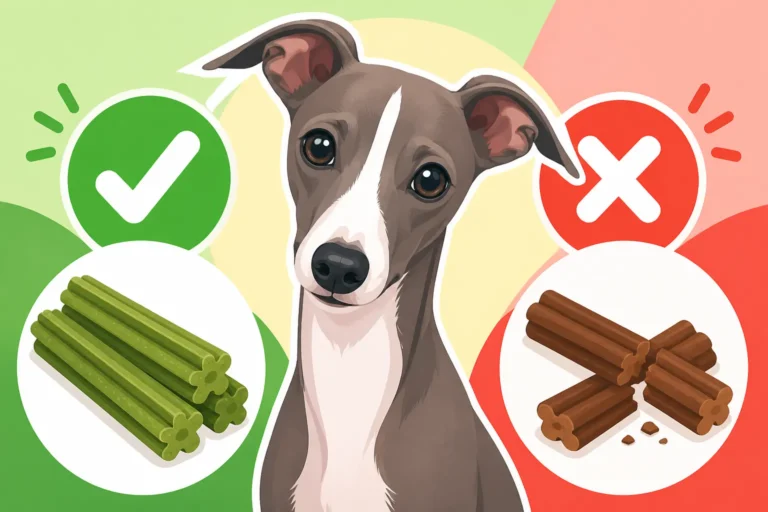
Dental chews are another popular option, and again, some can be beneficial, but choose wisely. Avoid overly hard chews like antlers or bones, as these can cause slab fractures of teeth, leading to excruciating pain and expensive veterinary intervention. Instead, look for softer, pliable dental chews also carrying the VOHC seal. These chews often contain enzymes or ingredients designed to help break down plaque. Companies like Greenies or VeggieDent offer options. While they can provide some benefit and satisfy a dog's natural urge to chew, they are never a substitute for brushing. Think of them as a daily treat with a side benefit, not a primary dental solution. Whether Dental Chews Do Anything for an Italian Greyhound has more details.
Water Additives and Oral Rinses
For Italian Greyhounds who absolutely refuse a toothbrush, or as an extra layer of protection, water additives and oral rinses can be considered. These products typically contain ingredients that help reduce bacteria in the mouth or prevent plaque from adhering to tooth surfaces. You simply add a measured amount to your dog's drinking water daily, or squirt an oral rinse into their mouth.
Popular brands for water additives include HealthyMouth or Vetradent. They work by creating an environment in the mouth that is less hospitable to plaque-forming bacteria. While these products are convenient and can offer some benefit, especially for freshening breath, they are still supplementary. They cannot mechanically remove plaque and tartar already present on the teeth in the same way brushing can. They are best used in conjunction with a regular brushing routine or as a stop-gap measure while you work on getting your IG comfortable with brushing. Always choose products specifically formulated for pets and approved by your veterinarian.
The Critical Importance of Professional Veterinary Cleanings
Even with the most diligent home care, professional dental cleanings under anesthesia are almost always necessary for Italian Greyhounds throughout their lives. Home care removes plaque, but once it hardens into tartar, only a veterinarian can safely remove it using specialized ultrasonic scalers. These cleanings allow the vet to thoroughly clean above and, crucially, below the gum line, where much of the destructive periodontal disease occurs.
During a professional cleaning, your vet will also perform a comprehensive oral exam, often including dental X-rays. These X-rays are vital because much of the disease happens beneath the gum line, invisible to the naked eye. They can reveal bone loss, abscesses, retained tooth roots, and other painful issues. What Happens During an Italian Greyhound's Dental outlines the entire procedure. Depending on the individual Italian Greyhound's genetics, diet, and home care routine, these cleanings might be needed annually, or sometimes even more frequently. Your vet will assess the health of your Italian Greyhound's mouth and recommend the appropriate schedule. While the idea of anesthesia can be worrying, the benefits of preventing severe pain and systemic disease far outweigh the risks when proper anesthetic protocols are followed by an experienced veterinary team. Why an Italian Greyhound's Dental Requires Anesthesia is a must-read for understanding the process.
When Things Go Wrong: Recognizing and Addressing Dental Issues
Despite our best efforts, sometimes dental problems will still arise. Italian Greyhounds are just that predisposed. Knowing the signs of dental distress and understanding when to seek veterinary help is crucial to preventing prolonged suffering.
Recognizing the Signs of Dental Pain
Italian Greyhounds are notoriously stoic, often hiding their pain until a condition is quite advanced. This makes it challenging for owners to spot dental issues early. However, there are subtle clues if you know what to look for:
- Bad Breath (Halitosis): This is often the first and most obvious sign. While "dog breath" is often accepted, truly foul, persistent breath is not normal and almost always indicates significant bacterial overgrowth and infection. What Bad Breath Means in an Italian Greyhound
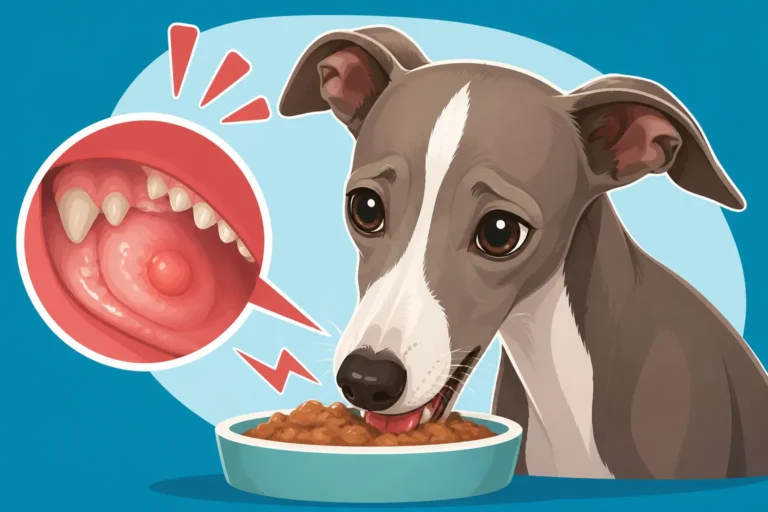
- Reluctance to Eat or Changes in Eating Habits: Your IG might suddenly seem less interested in their kibble, drop food from their mouth, chew only on one side, or prefer softer foods. They might approach the bowl, then back away.
- Pawing at the Mouth or Face Rubbing: While sometimes a sign of allergies, pawing at the mouth or rubbing their face against furniture can indicate pain or discomfort in their teeth or gums.
- Drooling or Dropping Food: Excessive drooling, especially if it's blood-tinged, or consistently dropping food while eating, suggests oral pain.
- Swelling Around the Muzzle or Under the Eye: This can indicate an abscessed tooth, particularly a molar in the upper jaw. The infection can track up into the facial tissues.
- Behavioral Changes: Any changes in demeanor, such as increased irritability, lethargy, or withdrawing from interaction, can be a subtle sign of chronic pain, including dental pain.
If you observe any of these signs, don't delay – schedule a vet visit immediately. Ignoring these symptoms will only lead to greater discomfort for your dog and potentially more severe, costly treatment down the line.
Dealing with Infected Gums and Abscesses
Infected gums (periodontitis) and tooth abscesses are intensely painful conditions that require prompt veterinary intervention. When bacteria get deep into the gum pockets or into the root of a tooth, they cause a severe localized infection. An abscess is essentially a pocket of pus that forms as the body tries to wall off this infection. These can be acutely painful, causing facial swelling, fever, and a general feeling of illness.
Treatment almost always involves extraction of the affected tooth or teeth. Simply giving antibiotics without removing the source of the infection (the diseased tooth) will only provide temporary relief, and the infection will recur. Your veterinarian will need to perform a thorough cleaning, take X-rays to assess the extent of the damage, and then extract any non-viable teeth. Post-extraction care includes pain medication and antibiotics. While losing teeth sounds drastic, removing a source of chronic pain and infection significantly improves your Italian Greyhound's quality of life. What Fracture Repair Costs on an Italian Greyhound provides a sense of the financial commitment, though dental work is different.
When Extractions Become Necessary
For many Italian Greyhounds, especially as they age, extractions become an unavoidable part of managing their dental health. It's often disheartening for owners to learn their beloved IG needs multiple teeth pulled, but it's important to remember that a painful, infected tooth is a detriment to their health, not an asset. The veterinary team will carefully assess each tooth, often using dental X-rays to determine if it's salvageable or if extraction is the kindest option.
The process of extraction for Italian Greyhounds can be delicate due to their fine bone structure. The jawbone is thin, and careful technique is required to prevent jaw fracture, particularly during the extraction of canine teeth. Why an Italian Greyhound's Jaw Can Break During Extraction is a cautionary tale. Post-extraction, dogs usually recover quickly, often showing an immediate improvement in their demeanor and appetite once the source of chronic pain is removed. They adapt remarkably well to eating with fewer teeth, even if they're down to just a few or no teeth at all. Softened kibble or wet food becomes their new norm, and the relief they experience is palpable. Ultimately, extractions, when necessary, are a compassionate choice for an Italian Greyhound suffering from advanced dental disease. How an Italian Greyhound Eats With No Teeth shows just how well they adapt.
Long-Term Impact: How Dental Health Affects Your Italian Greyhound's Lifespan and Well-being
It’s easy to think of dental care as just about teeth, but for Italian Greyhounds, it's a profound investment in their entire life journey. The ripple effects of good or bad oral health extend far beyond their smile.
Preventing Systemic Illnesses and Organ Damage
We've touched on this, but it bears repeating: the mouth is a gateway to the rest of the body. Chronic periodontal disease, with its constant bacterial load and inflammation, acts as a slow poison to your Italian Greyhound's system. The bacteria don't stay put; they travel through the bloodstream. This can lead to serious damage to vital organs over time.
Think about the heart. The bacteria from infected gums can adhere to the heart valves, leading to a condition called endocarditis, a serious and potentially fatal inflammation of the heart lining. Similarly, the kidneys and liver, which are responsible for filtering toxins from the blood, can become strained and damaged by the constant influx of bacteria and inflammatory byproducts. This is a quiet, hidden battle happening inside your IG. Investing in good dental hygiene isn't just about preserving their teeth; it's about safeguarding their entire internal ecosystem, potentially adding years to their life. The Heart Murmur an Old Italian Greyhound Develops and Kidney Disease in an Old Italian Greyhound show how vulnerable our senior IGs can be.
Maintaining Quality of Life and Comfort
Imagine living with a constant toothache or painful, bleeding gums. It would make every bite of food a chore, every yawn a wince. You'd likely become withdrawn, irritable, and your overall joy for life would diminish. Our Italian Greyhounds experience the exact same thing when they suffer from untreated dental disease. They can’t tell us in words, but their reluctance to play, their quiet demeanor, or their hesitant approach to a meal speaks volumes.
By prioritizing dental health, you are actively choosing to protect your Italian Greyhound from chronic pain and discomfort. A healthy mouth means they can eat, chew, and play without agony. It means they can greet you with a joyful, pain-free wag of their tail instead of hiding their discomfort. It ensures they can enjoy their food, stay engaged with the family, and simply be a happy, vibrant dog. For a breed so sensitive and attached to their people, ensuring their comfort is paramount to their psychological and physical well-being. Keeping them comfortable allows them to fully express their charming, affectionate personalities.
The Financial and Emotional Cost of Neglect
Let's be realistic – veterinary dental care isn't cheap. A professional cleaning under anesthesia, especially if it includes X-rays and multiple extractions, can represent a significant financial outlay. But the cost of neglecting dental care can be far higher, both financially and emotionally.
Allowing dental disease to progress not only leads to more extensive, complicated, and expensive dental procedures (think full mouth extractions vs. a routine cleaning), but it also opens the door to those systemic illnesses we discussed. Treating heart disease, kidney failure, or other organ damage related to chronic infection often involves ongoing medications, specialized diets, and frequent veterinary visits – costs that can dwarf those of preventative dental care. Beyond the money, there's the emotional toll of watching your beloved Italian Greyhound suffer, knowing that much of it could have been prevented. The stress, the worry, and the guilt are heavy burdens. By making dental health a priority from the start, you're not just investing in your Italian Greyhound's longevity; you're also protecting your wallet and your heart from future heartbreak. What an Italian Greyhound's Lifetime Dental Costs gives a full picture.
Overcoming Obstacles: Common Challenges and Solutions for Dental Care
It’s easy to say "just brush their teeth daily," but anyone who’s actually tried to do it with a spirited, sensitive Italian Greyhound knows it's often easier said than done. There are common hurdles, but with persistence and creativity, they can be overcome.
The Reluctant Italian Greyhound: Patience is Your Best Friend
Italian Greyhounds are often described as sensitive souls, and this extends to how they react to new sensations, especially in their mouths. Many will be naturally resistant to having their lips lifted, fingers in their mouth, or the sensation of a toothbrush. This isn't stubbornness; it's often a mix of fear, discomfort, and a lack of understanding. Trying to force the issue will only create a negative association and make future attempts harder.
Instead, embrace patience. Break down the process into tiny, manageable steps. Start by simply touching their face, then their muzzle, then gently lifting a lip – always followed by praise and a high-value treat. Do this for a few seconds, several times a day, for days on end. Only when they are completely comfortable with one step do you move to the next. Some Italian Greyhounds might respond better to a soft piece of gauze wrapped around your finger dipped in toothpaste initially, before moving to a brush. Remember, every positive interaction, no matter how brief, is a victory. Don't rush, and never scold them for resisting. Your calm, reassuring presence and consistent positive reinforcement are your most powerful tools. Teaching an Italian Greyhound Puppy to Have Its Teeth Brushed offers tips for starting young.
Making Brushing a Positive Experience
The key to long-term success with dental care is transforming it from a dreaded chore into a neutral, or even positive, experience. This means incorporating high-value rewards and making it a routine part of your day, just like feeding or walks.
Consider the timing. Is your Italian Greyhound more relaxed after a walk? Or perhaps sleepy in the evening? Find a quiet time when there are no distractions. Use their absolute favorite treat – a tiny piece of cheese, boiled chicken, or a special dental treat – only for brushing sessions. The treat should be so good that they eagerly anticipate the brushing. Speak in a calm, encouraging voice. Some IGs might do better if you hold them gently in your lap or wrap them in a blanket for a sense of security. You could even try brushing while they are lying down next to you, making it less confrontational. Consistency helps create a habit, and once it's a habit, it becomes less of a big deal for both of you. Many owners have found success by pairing brushing with another daily positive event, like just before their favorite evening cuddle session.
Utilizing Different Approaches for Sensitive Dogs
Not every Italian Greyhound will love a traditional toothbrush. If you've tried the standard brushes and your dog is still highly resistant, don't give up! Explore alternative methods.
- Finger Brushes: As mentioned earlier, the direct contact and control a finger brush provides can be less intimidating for some IGs than a rigid plastic brush.
- Dental Wipes: These are textured wipes that you can wrap around your finger to rub on their teeth and gums. They don't offer the same mechanical abrasion as bristles but are better than nothing for removing some surface plaque and applying dental solutions.
- Electric Toothbrushes for Pets: For some dogs, the novelty and efficiency of a sonic toothbrush can actually be a game-changer, but the introduction must be very gradual due to the vibration and sound. Start by just letting them sniff it while it's off, then on but not touching them, slowly moving closer over many sessions.
- Veterinary Guidance: If you're truly struggling, don't hesitate to ask your veterinarian or a certified professional dog trainer for personalized advice. They might have specific techniques or recommendations for products that can make the process easier for your particular Italian Greyhound. Sometimes, a vet tech can give you a hands-on demonstration, which can be invaluable. Remember, every step you take, no matter how small, is contributing to your Italian Greyhound's overall health and happiness.
Summary of Italian Greyhound Dental Care Strategies
To help visualize the layered approach to Italian Greyhound dental health, here’s a quick overview of the essential components. This isn't about choosing one method; it's about combining them for the most comprehensive protection.
| Dental Care Strategy | Primary Benefit | Frequency | Best Used For |
|---|---|---|---|
| Daily Brushing | Mechanical removal of plaque | Daily (ideally) | Prevention of plaque buildup, gum health, fresh breath |
| VOHC-Approved Dental Chews | Supplemental plaque/tartar reduction, chewing outlet | Daily (as directed) | Mild plaque reduction, positive reinforcement |
| Water Additives/Rinses | Reduces oral bacteria, freshens breath | Daily | Adjunct to brushing, for resistant dogs, general oral hygiene |
| Professional Cleanings | Removes hardened tartar (calculus), assesses sub-gingival health | Annually or as recommended | Essential for preventing/treating periodontal disease |
| Dietary Management | Supports overall health, some kibbles offer mild scrubbing | Ongoing | General health, very minor plaque reduction |
Remember, the goal is to be proactive and consistent. Your Italian Greyhound relies on you for every aspect of their care, and their dental health is one of the most vital. By committing to a comprehensive dental care plan, you're ensuring they have a healthier, happier, and longer life by your side. Whether an Italian Greyhound Can Keep Its Teeth for Life is ultimately the goal we are all working towards.
Disclaimer
This article is for general informational purposes only and does not constitute professional advice. Laws, prices and regulations vary by location and change over time. Consult a qualified professional for guidance on your specific situation.