Nails, Ears and Feet on an Italian Greyhound
One of the most surprising realities of living with an Italian Greyhound is the sheer dedication required for what might seem like mundane grooming tasks. It’s not just about keeping them tidy; it's about protecting their delicate structure and ensuring their long-term comfort and health. This guide dives deep into the specific challenges and best practices for caring for your Italian Greyhound's nails, ears, and feet, helping you navigate these essential aspects of their well-being with confidence and compassion.
Understanding Italian Greyhound Nails: A Daily Challenge
The nails of an Italian Greyhound are often a source of anxiety for new and even experienced owners alike. Their fine bone structure and propensity for injury mean that perfectly maintained nails aren't just for aesthetics; they're a critical component of preventative care.
The Anatomy of an IG Nail: Quick and All
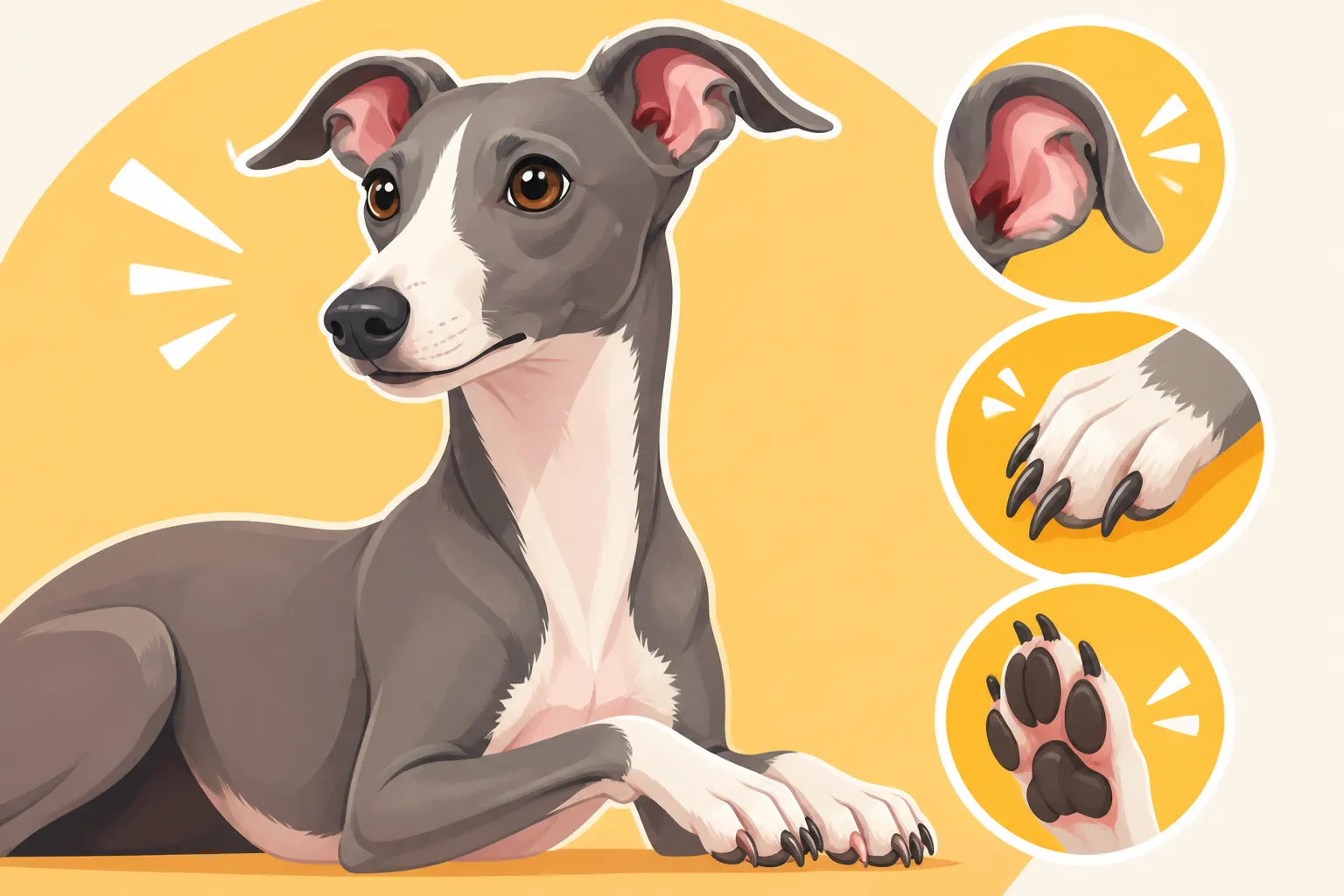
When you look at your Italian Greyhound's translucent, often light-colored nails, you might notice a pinkish area underneath. This is the "quick," a sensitive part of the nail that contains blood vessels and nerves. Cutting into the quick is painful for your dog, can cause bleeding, and creates a negative association with nail trims, making future sessions a battle. The challenge with Italian Greyhounds, particularly those with darker nails, is that this quick can be incredibly difficult to see. It often extends further down the nail than owners anticipate, making every snip a bit of a gamble.
This invisible line of the quick can be nerve-wracking. Many Italian Greyhound owners share stories of accidentally quicking their dog, leading to a yelp and a lasting reluctance from their beloved companion to have their paws handled. This fear, both on the part of the owner and the dog, can quickly lead to neglected nails, which then spiral into more significant problems. Understanding that the quick recedes as the nail is trimmed back consistently is key, but getting to that point requires patience and often, specialized tools or professional help. The goal isn't just to cut the tip; it's to encourage the quick to shorten over time, allowing for truly short, healthy nails.
Keeping Nails Short: Clippers vs. Dremel
When it comes to the actual act of nail trimming, Italian Greyhound owners usually fall into one of two camps: traditional clippers or rotary tools (Dremels). Both have their advocates and their drawbacks, and the best choice often depends on your dog's temperament, your comfort level, and the specific characteristics of their nails. Clippers offer a quick, decisive cut, which can be less stressful for dogs who dislike prolonged paw handling. However, the speed also means a higher risk of quicking if you're not careful. For those with dark nails, judging the correct length with clippers is particularly challenging.
The Dremel, or other pet-specific rotary grinders, works by gradually filing down the nail. This slower process allows for more control and significantly reduces the chance of cutting into the quick, especially if you're taking small amounts off at a time. Many owners find that while the vibration and noise of the Dremel might initially be off-putting to their Italian Greyhound, with gradual desensitization and positive reinforcement, it becomes a much less stressful experience than the sharp "snap" of clippers. A Dremel also allows you to achieve a smoother, rounder nail edge, which can be more comfortable for your dog and less likely to snag on bedding. Finding the best tools, whether it's specific clippers or a quiet Dremel, often involves some trial and error, and platforms like Amazon or Chewy offer a wide range of options to explore. You might find some helpful details in Whether a Dremel Suits an Italian Greyhound's Nails.
| Feature | Nail Clippers | Rotary Tool (Dremel) |
|---|---|---|
| Method | Shears off a section of the nail | Grinds down the nail gradually |
| Speed | Very fast, one quick snip per nail | Slower, takes multiple passes per nail |
| Risk of Quicking | Higher, especially with dark nails | Lower, as you remove small amounts at a time |
| Noise/Vibration | Minimal noise, no vibration (just the snip) | Can be noisy and vibrate, potentially startling |
| Nail Finish | Can leave sharp edges, may splinter | Smooth, rounded edges, less likely to snag |
| Learning Curve | Easier to use quickly, but harder to master quick avoidance | Requires more practice for optimal technique, desensitization needed |
| Cost | Generally lower initial cost | Higher initial cost, requires replacement grinding bands |
The Ramifications of Overly Long Nails
It's tempting to put off nail trims, especially if your Italian Greyhound makes it clear they dislike the process. However, consistently long nails can have serious detrimental effects on their posture, gait, and overall health. When nails are too long, they push back into the nail bed when your dog walks, forcing their toes to splay and their weight to shift unnaturally. This incorrect distribution of weight can lead to chronic discomfort, strain on their joints, and even arthritis over time. Imagine walking with shoes that are too small, constantly pushing your toes upwards; that's what long nails feel like for your Italian Greyhound.
Beyond discomfort, excessively long nails significantly increase the risk of serious injury. An Italian Greyhound's delicate bone structure is already prone to fractures, and long nails can exacerbate this vulnerability. They can catch on carpets, furniture, or even outdoor terrain, causing the dog to stumble, twist a leg, or even suffer a full-blown fracture. A nail can also get ripped or torn off, which is incredibly painful and often requires veterinary intervention. What Happens If an Italian Greyhound's Nails Get Long further emphasizes these points. For a breed known for its fragility, preventing such accidents is paramount. Proper nail length allows their paws to bear weight correctly, providing better balance and reducing the strain on their fragile limbs, making regular nail care a crucial part of preventing orthopedic issues down the line. You can also explore Why an Italian Greyhound's Leg Bones Break So Easily for more context on their fragility.
The Delicate Dance of Italian Greyhound Feet: Pads and Paws
An Italian Greyhound's feet are built for speed and elegance, but they are also surprisingly delicate. Their thin skin and minimal padding mean their paws require special attention and protection.
Protecting Those Delicate Paw Pads
Italian Greyhounds have relatively thin skin covering their paw pads compared to many other breeds, making them highly susceptible to injury from rough terrain, extreme temperatures, or sharp objects. Walking on hot asphalt in summer can cause severe burns, and cold sidewalks or icy surfaces in winter can lead to frostbite or painful cracking. You might want to read How an Italian Greyhound Handles Summer Heat and How Long an Italian Greyhound Lasts Outdoors at Twenty Degrees to better understand environmental risks. Even seemingly harmless rough pavement can cause abrasions or tears. These injuries are not only painful but can become easily infected, leading to limping and further complications.
To keep their paw pads healthy, it's essential to be mindful of their environment. Always check the ground temperature before walks – if it's too hot for your hand, it's too hot for their paws. In colder climates, consider applying a protective paw balm before going outside. There are many excellent brands available on Chewy that create a barrier against ice, salt, and harsh elements, helping to prevent cracking. If cracks do appear, they can be quite painful for your IG, and some might develop Why an Italian Greyhound's Feet Crack in Winter. Moisturizing regularly with pet-safe balms can help maintain pliability and prevent dryness. Gentle massages can also improve circulation and help you spot any minor cuts or abrasions before they become serious.
Navigating Indoor Surfaces: The Hardwood Hurdle
Many modern homes feature beautiful hardwood, laminate, or tile flooring. While aesthetically pleasing for us, these slick surfaces can be a significant hazard for an Italian Greyhound. Their narrow, finely-boned feet and high-stepping gait are not designed for traction on such slippery ground. You'll often see them splaying out, struggling to gain purchase, or hesitating to walk confidently across smooth floors. This constant slipping puts tremendous strain on their joints, particularly their delicate hips and knees, and significantly increases their risk of a nasty fall or even a fracture.
The solution doesn't have to mean ripping out your beautiful floors. Strategic placement of rugs and runners can create safe pathways throughout your home, giving your Italian Greyhound the traction they need to move freely and confidently. Non-slip mats under food and water bowls are also a good idea. For particularly boisterous IGs or those in homes with extensive hard flooring, traction socks or paw grips can be a temporary but effective solution. While not every IG tolerates wearing "shoes," some adapt quite well. Investing in these preventative measures, as discussed in Whether Rugs Help an Italian Greyhound on Hardwood and Whether an Italian Greyhound Needs Traction Socks, is far less costly and stressful than dealing with a joint injury or a broken leg. Ensure stairs are carpeted or have non-slip treads, or better yet, teach your IG to use ramps for furniture and stairs to prevent falls. More on how their delicate structure is compromised by slips and falls can be found in Why an Italian Greyhound Slips on Hardwood.
Hair Between the Pads: To Trim or Not To Trim
Some Italian Greyhounds develop a small amount of hair between their paw pads, especially as they get older or if they aren't regularly active on rough surfaces that naturally wear it down. While not as common or problematic as in some other breeds with profuse foot feathering, this hair can occasionally cause issues for IGs. If left untrimmed, it can reduce traction on smooth indoor surfaces, making the hardwood hurdle even more challenging. It can also mat, especially if it gets wet or picks up debris like small burrs or bits of dirt, leading to discomfort or even skin irritation between the toes.
Deciding whether to trim this hair largely depends on your individual dog. If you notice them slipping more often, or if you see debris consistently getting caught in their paw hair, a gentle trim might be beneficial. Use small, blunt-nosed scissors specifically designed for pet grooming. Always hold the paw firmly and only trim the hair flush with the paw pads, being extremely careful not to cut the pads themselves or the delicate skin between the toes. If your Italian Greyhound has very little hair there, or if they spend most of their time on surfaces that naturally keep it worn down, trimming might not be necessary. Whether an Italian Greyhound Has Hair Between Its Pads provides additional insights into this specific concern.
Italian Greyhound Ears: More Than Just Pretty Folds
The Italian Greyhound's ears are one of their most distinctive features – those elegant rose ears or sometimes button ears that fold back, almost disappearing into their head when relaxed. While beautiful, their unique structure does require some consideration for proper care.
The Unique Italian Greyhound Ear Structure
Unlike breeds with heavy, floppy ears that trap moisture and heat, Italian Greyhounds have open, rose-shaped ears that allow for good airflow. This open structure generally means they are less prone to yeast or bacterial infections that thrive in warm, moist environments. Their ears are typically high-set, small, and fold back along the side of their head, creating delicate creases and folds. When alert, these ears can semi-erect or "fly" in a charming way, but their natural resting state is folded.
However, these graceful folds can still accumulate a small amount of dust, dirt, and earwax over time. While not as deep or dark as the ear canals of a Basset Hound or Cocker Spaniel, the crevices of an Italian Greyhound's ear can still collect debris. It's a different kind of care than you might give a retriever, for instance. Instead of deep cleaning a canal, you're more focused on wiping the visible parts of the ear and ensuring those natural folds stay clean and free of irritation. This structure also means they are particularly sensitive to cold and wind, much like their thin skin and lack of body fat.
Gentle Cleaning for Healthy Ears
Even with their well-ventilated ear structure, routine cleaning is still important for Italian Greyhounds to prevent the buildup of wax and debris that can lead to irritation or mild infections. The key word here is "gentle." Over-cleaning can strip the natural oils and upset the delicate balance in the ear, potentially causing more problems than it solves. Aim for a visual check every week or two, and clean only when you notice a visible accumulation of wax or dirt. How Often an Italian Greyhound's Ears Need Checking gives good guidance.
To clean, use a veterinarian-recommended ear cleaning solution designed for dogs. Never use cotton swabs inside the ear canal, as this can push debris further in and damage sensitive structures. Instead, moisten a cotton ball or a soft cloth with the cleaning solution and gently wipe the visible parts of the ear, including all the folds and crevices. Your Italian Greyhound might find this soothing if introduced calmly with positive reinforcement. If you see excessive wax, redness, or your dog shows signs of discomfort, it’s time to consult your vet rather than attempting more aggressive cleaning at home.
Spotting Ear Troubles: When It's More Than Just Dirt
While Italian Greyhounds are generally less prone to severe ear infections than other breeds, problems can still arise. Knowing the warning signs of ear troubles is crucial for prompt treatment. One of the most obvious indicators is increased scratching or pawing at the ears, or persistent head shaking. You might also notice a foul odor emanating from the ear, which is a strong sign of bacterial or yeast overgrowth. Redness, swelling, or discharge (which can be waxy, bloody, or pus-like) are also clear signals that something is wrong.
Sometimes, ear problems can manifest as a change in behavior, such as your dog being reluctant to have their head touched, holding their head tilted, or appearing lethargic. Ear mites, though less common in well-cared-for indoor dogs, can also cause intense itching and a distinctive dark, crumbly discharge that resembles coffee grounds. If you observe any of these symptoms, don't delay in contacting your veterinarian. Early diagnosis and treatment are essential to prevent minor issues from escalating into chronic conditions or impacting your Italian Greyhound's hearing. While Italian Greyhounds tend to avoid the severe, recurring ear infections common in other breeds, How Often an Italian Greyhound Gets Ear Infections still highlights the need for vigilance.
Beyond Basic Grooming: Preventing Common Issues
Caring for your Italian Greyhound's nails, ears, and feet isn't just about cleaning and trimming; it's about understanding how these seemingly small tasks contribute to their overall health and longevity. It's an investment in their comfort and safety.
The Interconnectedness of Foot and Leg Health
For a breed as delicate as the Italian Greyhound, the health of their feet is intrinsically linked to the health of their entire skeletal structure. When nails are kept at the correct, short length, the paw can sit naturally on the ground, allowing for proper weight distribution and alignment of the leg bones. This seemingly small detail significantly reduces stress on their joints, ligaments, and tendons, which are already vulnerable to injury. Long nails, on the other hand, force the toes to splay, twist the foot, and throw off their balance, creating abnormal pressure points all the way up the leg.
This misalignment, over time, can contribute to chronic pain, early onset arthritis, and a heightened risk of strains and sprains. Given their propensity for fractures, any factor that compromises their structural integrity is a serious concern. Imagine the constant micro-trauma from their feet not landing correctly with every step; it adds up. By prioritizing nail and paw pad care, you're not just preventing a torn nail; you're actively safeguarding their delicate limbs from unnecessary stress and potential orthopedic issues, directly influencing their quality of life and mobility as they age.
Environmental Factors and Injury Prevention
The world outside and even inside your home presents various environmental challenges to your Italian Greyhound's delicate extremities. We've talked about hot pavement and icy sidewalks, which can burn or crack paw pads, but think also about rough gravel paths, sharp sticks, or even the chemicals used on winter roads. These can all cause immediate injury or long-term irritation. This is where practical solutions like protective booties or careful route planning come into play. While not every IG will tolerate booties, for those who do, they offer invaluable protection in harsh conditions, whether it's scorching summer concrete or snow-covered, salted streets.
Indoors, the biggest environmental factor is often slippery flooring. Falls from jumping off furniture, or even just slipping during a joyous "zoomie" session, can have devastating consequences for an Italian Greyhound's fragile bones. This is why non-slip rugs, carpet runners, and strategically placed ramps or steps leading to favorite sofas and beds are not luxuries, but necessities. Creating a "fall-proof" environment for your Italian Greyhound is one of the most proactive steps you can take to prevent the common, heartbreaking injuries this breed is known for. It extends beyond just the feet, but the feet are often the first point of contact and vulnerability.
General Health and Its Impact on Extremities
The condition of your Italian Greyhound's nails, ears, and feet can often serve as an early indicator of underlying general health issues. For example, brittle, discolored, or unusually fast-growing nails could sometimes signal a nutritional deficiency or even an endocrine disorder like hypothyroidism. While Signs an Italian Greyhound Has an Underactive Thyroid covers broader symptoms, nail changes can be a subtle hint. Similarly, persistent ear infections that don't respond to treatment might point to allergies or a weakened immune system.
Proper nutrition, for instance, plays a vital role in maintaining healthy skin and strong nails. A diet rich in essential fatty acids can contribute to supple paw pads and a healthy coat, which in turn means less dry, brittle skin around the nails. While not directly grooming, the food you choose, perhaps from a brand like Ollie, influences their overall vitality. Regular veterinary check-ups are also crucial. Your vet can perform thorough examinations of these areas, detect subtle changes, and offer professional advice or interventions before minor issues become major health problems. They can also screen for genetic predispositions or sensitivities that might affect these specific body parts.
Establishing a Routine: Making Care a Positive Experience
Consistent care for your Italian Greyhound's nails, ears, and feet doesn't have to be a battle. With patience, positive reinforcement, and the right approach, it can become a calm, even enjoyable, part of your bonding routine.
Starting Early: Puppyhood Introductions
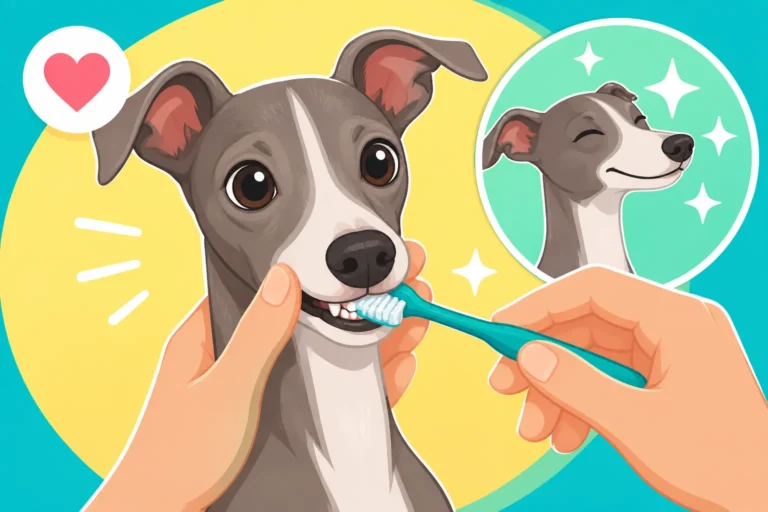
The absolute best time to introduce grooming routines is during puppyhood. Italian Greyhound puppies are typically curious and more receptive to new experiences. Start with very short, gentle sessions, simply handling their paws and ears. Don't immediately jump to clipping nails or deep cleaning ears. Begin by touching their feet, spreading their toes, and gently manipulating their ears while offering high-value treats and praise. The goal is to build a positive association with being touched and handled in these sensitive areas.
As they become comfortable, gradually introduce the tools – let them see and sniff the clippers or the Dremel (unplugged at first). Turn the Dremel on for a brief moment in another room so they get used to the sound, then slowly bring it closer while rewarding calm behavior. The entire process should be calm, positive, and never forced. If your puppy shows stress, take a break and try again later. Many short, positive sessions are far more effective than one long, traumatic one. This foundational work will pay dividends for years to come, making Teaching an Italian Greyhound to Accept Nail Trims much easier.
Tools of the Trade: Choosing What Works for Your IG
The market is flooded with grooming tools, and finding the right ones for your Italian Greyhound can feel overwhelming. For nails, consider both clippers (guillotine or scissor style) and a rotary tool (Dremel). Many owners find that a combination works best – clippers for the initial bulk if nails are very long, then a Dremel for shaping and smoothing. Investing in a quiet, pet-specific Dremel can make a big difference, as the noise can be a deterrent for some IGs. You can find a wide variety of these tools on platforms like Amazon.
For ear cleaning, always choose a veterinary-approved ear cleaner. Avoid harsh chemicals or anything with strong perfumes. Soft cotton balls or gauze pads are ideal for wiping. For paw care, a good quality paw balm is essential, especially for IGs that brave cold winters or hot pavements. Look for natural ingredients that are safe if licked. Consider different types of paw protection – from wax-based balms to thin rubber socks for indoor traction. Remember, what works for one Italian Greyhound might not work for another; don't be afraid to experiment to find the perfect combination of tools and products that suits your dog's individual needs and preferences. Chewy also has a great selection of these grooming essentials, often with customer reviews that can guide your choices.
Consistency is Key: Maintaining the Schedule
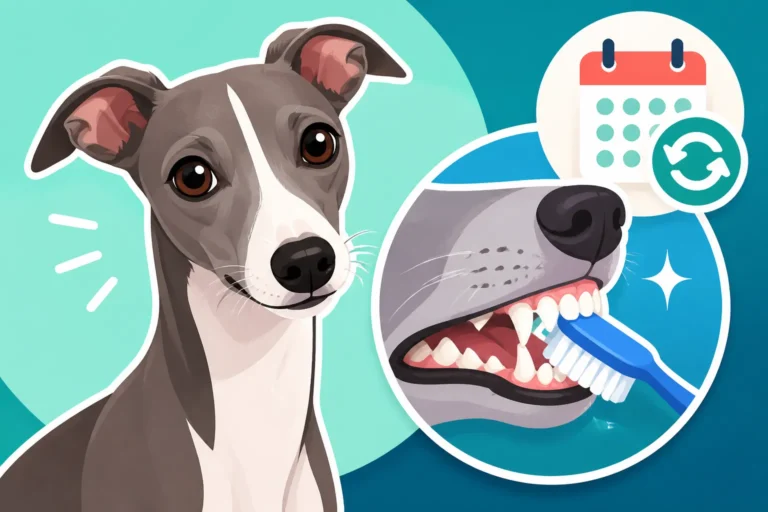
Once you've established a routine and found the tools that work, consistency is paramount. Italian Greyhounds thrive on predictability, and regular grooming sessions become less stressful when they know what to expect. For nails, aim for trims every 1-2 weeks. This frequency helps keep the quick recessed, making each trim quicker and safer. How Often an Italian Greyhound's Nails Need Trimming provides additional context. If you only trim once a month, the quick will lengthen, making it harder to get those nails back to an ideal short length.
Ear checks and gentle cleaning, if needed, can be done weekly. Paw pad checks should be a daily habit, especially after walks, to look for cuts, scrapes, or embedded debris. By integrating these tasks into your regular schedule – perhaps during a quiet evening, after playtime, or while cuddling on the couch – they become less of a chore and more of a bonding ritual. Your calm demeanor will reflect onto your Italian Greyhound, turning potential stress into a peaceful interaction. A consistent routine not only ensures their physical health but also reinforces your bond and trust.
When to Call the Vet: Signs of Trouble in Nails, Ears, and Feet
Even with the most diligent care, problems can sometimes arise with your Italian Greyhound's nails, ears, or feet. Knowing when a situation warrants a trip to the vet versus a home remedy is crucial.
Red Flags in Nail and Paw Health
Your Italian Greyhound's paws are their primary interface with the world, and any issue there can severely impact their mobility and comfort. Be on the lookout for a number of red flags. If your dog suddenly starts limping, favoring a paw, or obsessively licking at their feet, it's a clear sign of discomfort. Swelling, redness, or discharge around the nail beds or paw pads are indicative of infection or injury. A broken nail, especially one that's torn high up into the quick, is incredibly painful and often bleeds profusely; this needs immediate veterinary attention.
Deep cracks in the paw pads that won't heal with balms, or any open wounds, should also be assessed by a vet to prevent infection. Sometimes, you might notice an unusual growth or discoloration on the paw pads or between the toes; while it could be benign, it's always best to have a professional check it out. Remember, Italian Greyhounds are masters at hiding pain, so even subtle changes in gait or behavior around their feet should be taken seriously.
Warning Signs of Ear Infection or Injury
While Italian Greyhounds are less prone to severe ear infections, they are not immune. Persistent scratching or pawing at the ears, vigorous head shaking, or rubbing their head against furniture are all strong indicators of discomfort. If you notice a foul odor coming from one or both ears, or see any unusual discharge – whether it's yellowish, green, dark and waxy, or bloody – it's definitely time to consult your vet. Redness, swelling, or tenderness when you touch their ears also points to an underlying problem.
Sometimes, an Italian Greyhound might develop a hematoma (a blood blister) on the ear flap if they shake their head too violently due to an untreated infection. This looks like a swollen, fluid-filled pocket on the ear and needs veterinary intervention. Don't try to self-diagnose or treat an ear infection with home remedies, as this can often make the situation worse or delay proper treatment, leading to chronic issues or even hearing loss.
Don't Wait: The Importance of Timely Veterinary Care
For a breed as delicate as the Italian Greyhound, early intervention is truly key when it comes to health issues, especially those affecting their extremities. Delaying veterinary care for a seemingly minor issue can allow an infection to spread, a wound to worsen, or a painful condition to become chronic. Because Italian Greyhounds have such thin skin and a low pain threshold compared to some other breeds, what might be a nuisance for a larger dog can be excruciating for an IG.
Furthermore, some conditions, like severe paw pad injuries or deep ear infections, require specific medications, antibiotics, or even minor surgical procedures that only a veterinarian can provide. It's also important to have a vet who understands the unique physiological sensitivities of sighthounds, as they can sometimes react differently to certain medications or anesthesia. Why an Italian Greyhound's Vet Should Know Sighthounds goes into detail about this specific requirement. Don't hesitate to reach out to your vet if you're ever in doubt about the health of your Italian Greyhound's nails, ears, or feet. Your prompt action can save your beloved companion from unnecessary pain and ensure their continued well-being.
Disclaimer
This article is for general informational purposes only and does not constitute professional advice. Laws, prices and regulations vary by location and change over time. Consult a qualified professional for guidance on your specific situation.