What Changes in an Old Italian Greyhound’s Care
Watching our beloved Italian Greyhounds gracefully enter their senior years brings a mix of emotions—gratitude for their long lives, but also a deep concern as we notice the subtle shifts in their health and behavior. It’s tough to see them slow down, perhaps struggle a bit with things they once did with effortless grace. This comprehensive guide is here to walk you through the essential changes in care for an old Italian Greyhound, from recognizing the first signs of aging to adapting their environment, nutrition, and veterinary needs, ensuring their golden years are as comfortable and joyful as possible.
Recognizing the Signs of Aging in Your Italian Greyhound
Just like us, Italian Greyhounds don't wake up one morning suddenly "old." Aging is a gradual process, and the signs can be incredibly subtle, especially in a breed known for its stoic nature. Catching these early cues allows you to be proactive in adapting their care. Remember, The Age an Italian Greyhound Is Considered Senior can vary slightly, but generally, we're looking at around 8-10 years for the onset of senior status.
Subtle Shifts in Energy and Activity Levels
One of the first things you might notice in an aging Italian Greyhound is a change in their energy. That boundless, zoomie-inducing energy they had as a youngster might give way to more frequent naps and shorter bursts of play. They might still get excited for a walk, but perhaps they don't sprint quite as far, or they tire more quickly. You might see them opting for a cozy blanket pile over chasing a toy across the living room. It's not laziness; it's just their body telling them to conserve energy.
For instance, your 12-year-old Iggy, once a relentless squirrel chaser, might now prefer to simply observe from the window perch, perhaps letting out a soft "woof" instead of a full-blown bark and dash. Or, after a short walk around the block, they might come inside and immediately seek out their favorite snuggle sack for a deep snooze, whereas before they'd be ready for another round of fetch. These aren't necessarily signs of a problem, but rather an indication that their stamina and recovery time are changing. Keep an eye out for limping or stiffness after activity, as this could signal underlying joint discomfort.
Changes in Appetite and Weight
An Italian Greyhound's notoriously lean build means that any weight fluctuations, whether gain or loss, can be more pronounced and potentially more concerning. As they age, their metabolism often slows down, meaning they might need slightly less food to maintain a healthy weight. Conversely, some older Iggies might become pickier eaters, or develop dental issues that make eating harder, leading to unintentional weight loss. It's a delicate balance to strike.
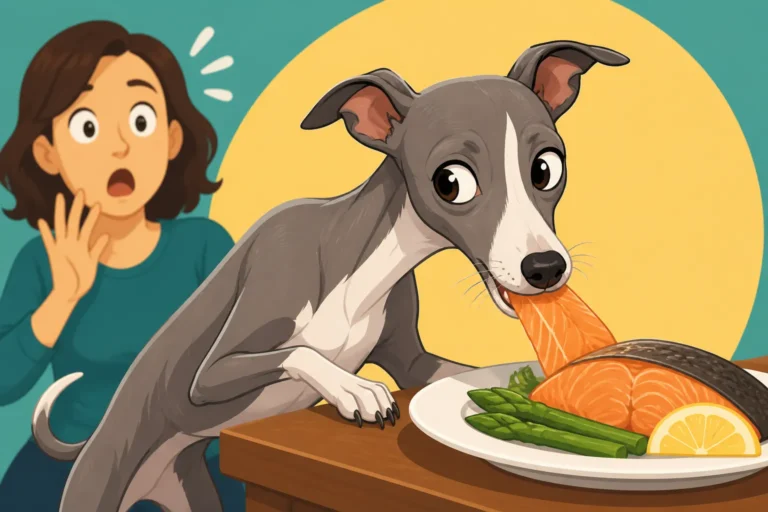
Imagine your normally ravenous Iggy, who once devoured meals in seconds, now picking at their kibble or leaving some behind. Or perhaps they're suddenly more interested in the "people food" on your plate than their own bowl. This could be due to a decreased sense of smell or taste, or it could be that their teeth are bothering them. On the other hand, if they're gaining weight, even a pound or two can put extra strain on their delicate joints and spine, increasing the risk of injury. Regularly monitoring their weight and body condition is crucial. You should still be able to easily feel their ribs without them being visible. How an Italian Greyhound Eats With No Teeth is a challenge many owners face, so addressing dental health early is paramount.
Sensory Decline: Sight and Hearing
The world can become a little blurrier or quieter for an aging Italian Greyhound. Just like people, they can experience declining eyesight and hearing. You might notice them bumping into furniture in dim light, hesitating more on stairs, or being startled when you approach them from behind. Night Confusion in an Old Italian Greyhound is a common issue, where they might seem disoriented or anxious after dark.
Think about how you navigate your home: largely by sight and sound. When these senses diminish, your Iggy relies more on memory and routine. A blind Iggy might still know the layout of your home perfectly, but a new piece of furniture could throw them off. A deaf Iggy might sleep more soundly but could also miss your call to come in from the yard. Pay attention to how they respond to familiar commands or sounds. If they start ignoring you, it might not be stubbornness, but simply that they didn't hear you. You can often see the eyes clouding over with age, and a vet can help differentiate between normal age-related changes and more serious eye conditions.
Adjusting Their Environment for Comfort and Safety
The nimble, athletic Italian Greyhound of their youth often transforms into a more cautious, sometimes fragile, senior. Their environment, which was once perfectly safe, might now present unexpected hazards. Making a few thoughtful adjustments can significantly improve their quality of life and prevent injuries.
Softening Sleeping Areas and Preventing Pressure Sores
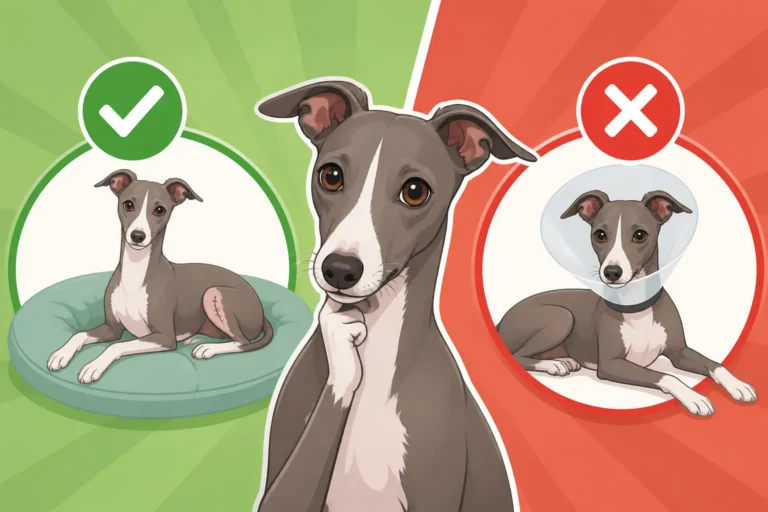
Older Italian Greyhounds often spend more time resting, and their already thin skin and delicate bones become even more susceptible to pressure sores. Those hard floors they once sprawled on might now be uncomfortable or even painful. They need soft, supportive places to rest their weary bodies, places where their joints can be cushioned and their fragile skin protected.
Imagine your Iggy’s favorite spot: maybe a sunbeam on the tile floor, or tucked under a blanket on a hardwood floor. In their senior years, those spots can become problematic. Investing in high-quality orthopedic beds, especially those with memory foam, can make a world of difference. These beds distribute weight evenly, reducing pressure on bony prominences like elbows and hips. Why an Italian Greyhound Gets Calluses on Its Elbows is directly related to lying on hard surfaces. Beyond beds, consider adding plush rugs or soft blankets in their favorite lounging areas. Ensure they have multiple comfortable spots throughout the house, so they don't have to travel far to find solace.
Enhancing Traction and Accessibility
As Italian Greyhounds age, their muscle mass can decrease, and joint issues like arthritis or even patellar luxation can become more prevalent. This makes slippery floors a significant hazard. A quick slip could lead to a serious injury, especially for a breed prone to fractures. Additionally, those leaps onto the sofa or bed, once effortless, might now be difficult or dangerous.
Consider adding non-slip runners or area rugs on hardwood, tile, or laminate floors, especially in high-traffic areas or where they jump down. For access to furniture, ramps or steps are no longer a luxury, but a necessity. Ramps and Steps for an Italian Greyhound's Furniture are essential tools to protect their delicate bone structure. You can find excellent options on Amazon or Chewy that are specifically designed for small dogs and blend into your home decor. Even if your Iggy still can jump, it’s far safer to encourage them to use a ramp, saving wear and tear on their joints and preventing disastrous falls. Remember, they hide pain well, so preventing injury is key.
Managing Temperature Sensitivity
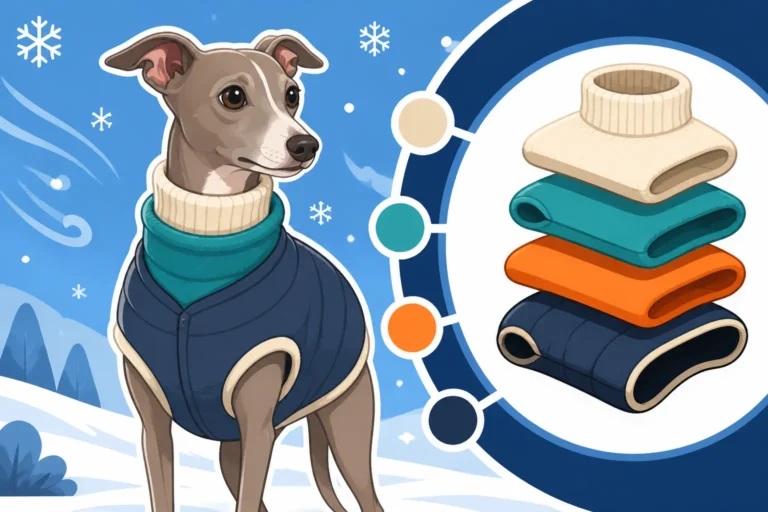
Italian Greyhounds are notoriously sensitive to cold due to their minimal body fat and thin coats. This sensitivity only intensifies as they age. Their internal thermostat becomes less efficient, making them feel the cold more acutely, even indoors. Why an Old Italian Greyhound Feels the Cold More is a common concern for owners.
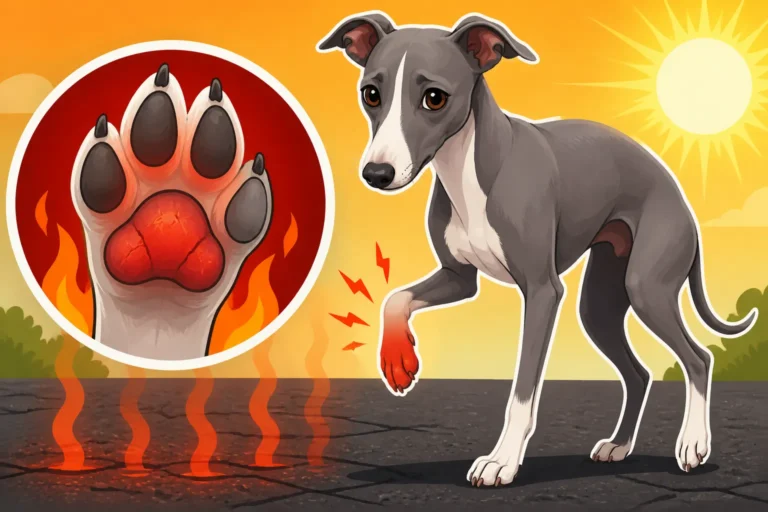
In cooler months, you might find your senior Iggy shivering even in a house that feels warm to you. Layers of sweaters or pajamas, even indoors, become part of their daily wardrobe. A cozy heated bed can be a true blessing, providing consistent warmth for aching joints and overall comfort. When outdoors, whether for a quick potty break or a short walk, appropriate cold-weather gear is essential. This could include a thick coat, a snood for their neck, and even boots if you live in an area with snow or icy pavements. Always ensure their heated beds have appropriate safety features and never get too hot.
Nutritional Tweaks for the Golden Years
Just as our own dietary needs change with age, so do those of our Italian Greyhounds. Their metabolism slows, their activity decreases, and their bodies require different nutrients to support aging organs and joints. Tailoring their diet can have a profound impact on their health and longevity.
Tailoring Diet for Reduced Activity and Dental Health
An older Italian Greyhound, with their often reduced activity levels, doesn't need the same caloric intake as a spry youngster. Overfeeding can quickly lead to weight gain, which puts undue stress on their fragile joints and increases the risk of other health issues. Conversely, some seniors lose their appetite or struggle to chew, leading to weight loss. Dental health, a notorious weak spot for Iggies, becomes even more critical in old age.
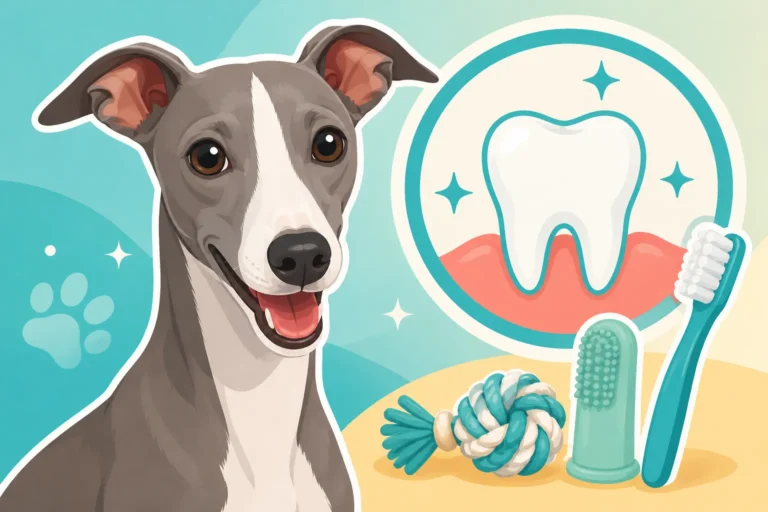
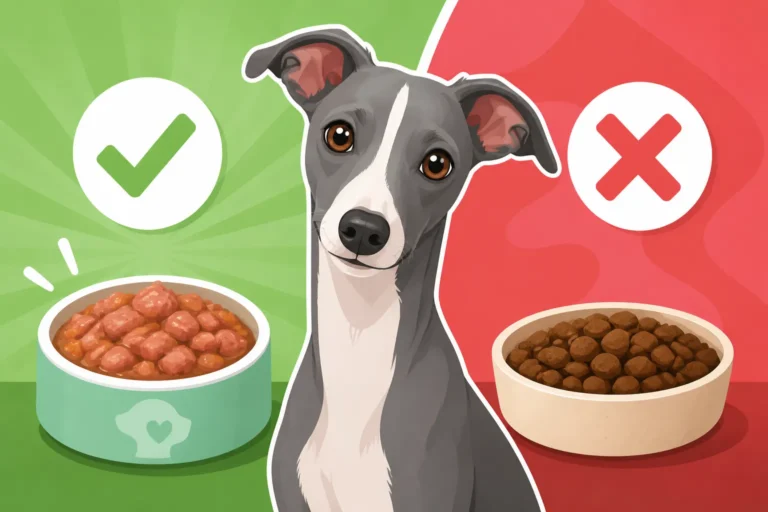
You might need to transition them to a senior-specific dog food, which typically has fewer calories and sometimes different nutrient profiles to support aging bodies. These foods often contain ingredients beneficial for joint health, like glucosamine and chondroitin. If your Iggy is a picky eater, or if How Common Dental Disease Is in an Italian Greyhound means their mouth is sensitive, consider incorporating softer foods. Brands like Ollie offer fresh, gently cooked meals that can be easier on sensitive teeth and more enticing for a senior palate. Wet food or rehydrated kibble can also be good options. Regular dental check-ups and cleanings remain paramount; Periodontal Disease Is the Italian Greyhound's Most Common Diagnosis and can severely impact their ability to eat comfortably and their overall health.
Hydration and Kidney Support
Kidney disease is a common concern in aging dogs, including Italian Greyhounds. Maintaining adequate hydration is crucial for kidney function and overall health. As they get older, some Iggies might not drink as much water, or their bodies might not utilize it as efficiently.
Encourage water intake by ensuring fresh water is always available in multiple locations. Consider adding water to their food, or offering wet food which has higher moisture content. Pet fountains can also entice some dogs to drink more, as they enjoy the flowing water. Your vet might recommend a specific diet formulated for kidney support if they detect any issues during a senior wellness exam. These diets are carefully balanced to reduce the workload on the kidneys and can significantly slow the progression of kidney disease. It’s about being proactive and supportive, not just reactive once problems arise. Kidney Disease in an Old Italian Greyhound is something we always want to manage thoughtfully.
Supplementation Considerations for Aging Iggies
While a balanced senior diet should provide most necessary nutrients, some supplements can offer targeted support for specific age-related concerns. However, always discuss any supplementation with your veterinarian first, as some can interact with medications or be inappropriate for certain health conditions.
Common supplements for older Italian Greyhounds might include:
- Joint support: Glucosamine, chondroitin, and MSM can help maintain cartilage health and reduce inflammation associated with arthritis.
- Omega-3 fatty acids: Fish oil, rich in EPA and DHA, has anti-inflammatory properties that can benefit joints, skin, and coat, and even cognitive function.
- Antioxidants: Vitamins C and E, and other antioxidants, can help combat cellular damage caused by free radicals.
- Probiotics: These can support a healthy gut microbiome, which is vital for nutrient absorption and overall immune function, especially in dogs whose digestive systems might become more sensitive with age.
These aren't magic pills, but they can be valuable additions to a comprehensive senior care plan when recommended by your vet. You can often find a good selection of high-quality supplements on Chewy or at your local pet supply store.
| Supplement Type | Potential Benefit for Senior Iggies | Important Considerations |
|---|---|---|
| Glucosamine/Chondroitin | Supports joint health, reduces arthritis discomfort | Veterinary guidance essential; not all brands are equal |
| Omega-3 Fatty Acids | Anti-inflammatory, supports skin, coat, cognitive | Check for mercury levels; dosage varies by weight |
| Probiotics | Aids digestion, boosts immune system | Choose reputable brands with live cultures; storage instructions are key |
| Antioxidants (Vit C/E) | Protects cells from damage, supports immune health | Consult vet for appropriate dosage; often included in senior formulas |
Proactive Health Monitoring and Veterinary Care
As Italian Greyhounds age, their health needs become more complex and require a more vigilant approach to veterinary care. Regular check-ups are no longer just routine but become crucial for early detection and management of age-related conditions.
The Importance of Regular Senior Wellness Exams
Gone are the days when a yearly check-up felt sufficient. For a senior Italian Greyhound, wellness exams might need to happen every six months. I know, more vet visits, more stress, and potentially higher costs, but this frequency allows your vet to catch subtle changes that could indicate emerging health issues. How Often an Italian Greyhound Needs a Wellness Exam should be discussed with your vet as your Iggy enters their senior years.
During these exams, your veterinarian will not only perform a thorough physical assessment but also likely recommend more extensive diagnostics. This might include routine blood work to check organ function (especially kidneys and liver), urinalysis, and potentially blood pressure checks. Early detection of conditions like kidney disease, thyroid imbalances, or The Heart Murmur an Old Italian Greyhound Develops can allow for intervention long before your Iggy shows obvious symptoms, leading to better outcomes and a higher quality of life. These exams are your best line of defense against the silent progression of age-related illnesses.
Addressing Common Ailments in Older Iggies
Senior Italian Greyhounds are prone to certain health challenges, and being aware of these can help you identify symptoms early. Beyond dental issues and kidney disease, you might encounter other conditions.
- Arthritis: This is incredibly common in older dogs. You might notice stiffness, reluctance to jump, or limping. While not curable, it can be managed with pain medication, joint supplements, and environmental adjustments.
- Hypothyroidism: An underactive thyroid can lead to lethargy, weight gain, and skin/coat issues. It's easily managed with daily medication once diagnosed. Signs an Italian Greyhound Has an Underactive Thyroid are important to recognize.
- Heart Disease: Conditions like mitral valve disease can lead to heart murmurs, coughing, or reduced stamina. Regular vet checks can identify these early.
- Cancer: Unfortunately, cancer risk increases with age. Any new lumps, bumps, or unexplained weight loss should always be investigated promptly.
It’s crucial to remember that How an Italian Greyhound Hides Pain incredibly well. They are often stoic, so any subtle change in gait, appetite, or behavior could be a significant indicator that something is amiss. Don't wait until they are clearly suffering.
Managing Pain and Mobility Issues
One of the most heartbreaking aspects of an aging dog is watching their mobility decline and knowing they might be experiencing chronic pain. Fortunately, there are many ways to manage pain and support their mobility, improving their comfort immensely.
If your Iggy is diagnosed with arthritis or other joint issues, your vet might prescribe anti-inflammatory medications (NSAIDs) or other pain relievers. Physical therapy, gentle massage, or even acupuncture can also be beneficial. Beyond medication, simple interventions can help. Keep their nails trimmed short to prevent discomfort and improve traction. What Happens If an Italian Greyhound's Nails Get Long can severely impact their gait. Consider therapeutic booties for walks or even special socks for slippery indoor floors. Continuing gentle exercise, tailored to their abilities, is important to maintain muscle mass and joint flexibility. Short, frequent walks are often better than one long, strenuous outing. Don't let them become a couch potato completely; activity, even gentle, is vital.
Maintaining Mental Engagement and Emotional Well-being
An Italian Greyhound's mental and emotional health is just as important as their physical health, especially in their senior years. While their bodies might be slowing down, their minds still need stimulation, and their hearts still crave connection.
Gentle Play and Mental Stimulation
Just because your Iggy isn't doing zoomies doesn't mean they can't enjoy playtime. The type of play just needs to adapt. Instead of high-impact games, focus on gentler activities that still engage their minds and bodies.
Think about interactive puzzle toys, which can keep their minds sharp and offer a reward for problem-solving. A snuffle mat where they have to sniff out treats can be a fantastic way to engage their keen sense of smell. Gentle games of "find the treat" or hiding a favorite toy for them to locate can also provide mental enrichment without physical strain. Even short, supervised sessions with a soft toy can bring joy. The goal is to keep their brains active and prevent cognitive decline. Whether an Old Italian Greyhound Sleeps More is true, but they still need periods of engagement to stay happy and alert.
Adapting Social Interactions
Italian Greyhounds are often "Velcro dogs," deeply attached to their families. As they age, they might become more sensitive to changes in routine or to new people and situations. Their social needs might shift; some might become less tolerant of boisterous young children or other dogs, while others might crave more quiet cuddle time.
Be observant of their cues. If your senior Iggy seems overwhelmed by a busy household, create a quiet retreat for them, perhaps a cozy crate or a room where they can relax undisturbed. Continue to include them in family activities, but ensure they have an escape route if they feel stressed. If they have Deafness in an Old Italian Greyhound, approach them gently so you don't startle them. For walks, perhaps avoid crowded dog parks and opt for quieter neighborhood strolls where they can enjoy the smells and sounds at their own pace. Their emotional comfort and sense of security are paramount.
The Emotional Toll on Owners and How to Cope
Caring for an aging Italian Greyhound can be incredibly rewarding, but it can also take an emotional toll. Watching your beloved companion decline, dealing with increased vet visits, and adapting your life to their changing needs can be stressful and heartbreaking. It’s okay to feel overwhelmed.
Recognize that these feelings are normal. Give yourself permission to grieve the changes, even while your Iggy is still with you. Lean on your support network—friends, family, or even online communities of Italian Greyhound owners who understand the unique challenges of the breed's senior years. Remember the joy and love your Iggy has brought into your life, and focus on making their remaining time as comfortable and happy as possible. Cherish every cuddle, every quiet moment, and every gentle gaze. Caring for an Italian Greyhound Past Eleven is a privilege, even with its challenges.
The Financial Reality of Senior Italian Greyhound Care
Let's be real: owning an Italian Greyhound isn't cheap, and the costs tend to increase significantly as they enter their golden years. This isn't meant to scare you, but to help you plan ahead for the financial realities.
Budgeting for Increased Vet Visits and Medications
As we've discussed, senior Italian Greyhounds typically need more frequent vet visits for wellness checks, diagnostics, and managing chronic conditions. Each visit, especially with blood work or other tests, adds up. Then there's the cost of medications. Many senior Iggies require daily medication for conditions like arthritis, thyroid issues, or heart disease, and these are ongoing expenses.
It's wise to start an emergency fund specifically for your Italian Greyhound's senior care. Even if you have pet insurance, it might not cover pre-existing conditions that develop as they age, or it might only cover a percentage. Talk to your vet about potential costs for managing common senior ailments. Brands like Chewy often offer prescription medications delivered to your door, which can sometimes be more cost-effective than buying directly from the vet. What an Old Italian Greyhound Costs a Year can be substantial, so knowing what to expect can ease the burden.
Investing in Comfort and Mobility Aids
Beyond medical costs, you'll likely find yourself investing more in items that enhance your senior Iggy's comfort and mobility. These aren't always cheap, but they are crucial for their quality of life.
This could include multiple orthopedic beds, specialized ramps or steps for furniture access (available on Amazon), non-slip flooring solutions, warm winter coats and sweaters (perhaps even custom-made for their unique physique), and potentially a heated bed. If their eyesight is failing, you might invest in a halo harness to help them navigate safely without bumping into things. For dogs with significant mobility issues, a cart or sling might even be considered. While these purchases can add up, they are an investment in your Iggy's comfort and dignity, allowing them to continue participating in family life as much as possible. Whether an Old Italian Greyhound Needs Steps Everywhere is a good question to ask yourself as they slow down.
Disclaimer
This article is for general informational purposes only and does not constitute professional advice. Laws, prices and regulations vary by location and change over time. Consult a qualified professional for guidance on your specific situation.