What an Emergency Fund for an Italian Greyhound Should Hold
Owning an Italian Greyhound is a truly unique and joyful experience. These elegant, affectionate, and sometimes goofy little dogs burrow deep into our hearts. However, the sheer fragility of their delicate bone structure means that Italian Greyhounds are prone to sudden, costly emergencies that can catch even the most diligent owner off guard. This guide is here to walk you through why an emergency fund isn't just a good idea, but an absolute necessity for an Italian Greyhound owner, and what kind of financial cushion you really need to prepare for those inevitable bumps in the road.
Why an Italian Greyhound Needs a Robust Emergency Fund
Let's face it: Italian Greyhounds are not built like tanks. They're exquisitely delicate, with fine bones and thin skin. While their athleticism is astounding, it often comes with a significant risk of injury. Beyond physical mishaps, their unique physiology also makes them prone to certain health challenges that can necessitate expensive veterinary care. Planning ahead for these possibilities isn't about being a pessimist; it's about being a responsible, loving Italian Greyhound parent.
The Fragile Reality: Common Injury Risks
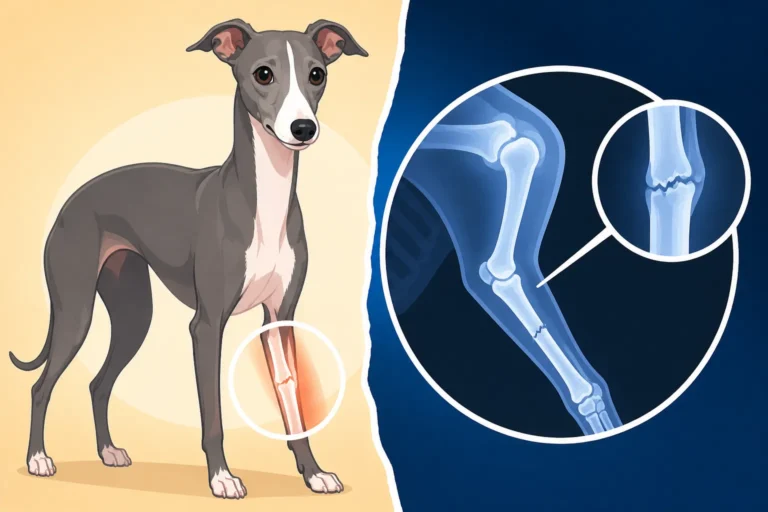
It sounds alarming, but many Italian Greyhound owners will tell you it's not if your IG breaks a leg, but when. Their long, slender leg bones, particularly the radius and ulna in the front leg, are notoriously fragile, especially in puppies and young adults. A simple jump off a sofa, a misstep while playing, or even being accidentally dropped can lead to a devastating fracture. Imagine the heart-stopping moment your normally zippy companion suddenly lets out a yelp and holds up a leg. This isn't just a painful moment for your dog; it's the beginning of a potentially long and expensive journey. A Broken Leg Is the Emergency Every Italian Greyhound Owner Fears is a reality that many face. These aren't minor sprains; they often require specialized orthopedic surgery.
The sheer athleticism of an Italian Greyhound can also contribute to these risks. They love to zoom around at incredible speeds, darting and turning on a dime. While this is a delight to watch, it means they can easily collide with furniture, trip over uneven ground in the yard, or get tangled during play with another dog. The bones simply aren't designed to withstand significant blunt force or awkward landings. When you consider The Age an Italian Greyhound Is Most Likely to Break a Leg, which is often during their energetic younger years, having a fund ready for these unpredictable incidents is paramount.
Dental Dilemmas: A Silent Budget Drain
If broken legs are the dramatic emergency, then dental disease is the silent, persistent drain on an Italian Greyhound owner's wallet. Italian Greyhounds are incredibly prone to periodontal disease, often starting at a surprisingly young age. Their small mouths and crowded teeth create perfect pockets for plaque and tartar to accumulate. Regular dental cleanings under anesthesia are not just recommended, they are absolutely essential to prevent severe tooth loss, pain, and systemic infections. Periodontal Disease Is the Italian Greyhound's Most Common Diagnosis for a reason.
Many owners are shocked to learn that annual, or even more frequent, dental cleanings are often necessary to keep their IG's mouth healthy. Each cleaning involves not just scaling and polishing, but often dental X-rays to assess the health of the tooth roots below the gum line. If problems are found, extractions can be required, adding significantly to the bill. How Common Dental Disease Is in an Italian Greyhound is higher than in many other breeds, meaning this isn't a "maybe" expense, but a "definitely" one that will repeat throughout their Why an Italian Greyhound Lives Fourteen to Fifteen Years.
Anesthesia and Unexpected Complications
Italian Greyhounds, like many sighthounds, are unique when it comes to anesthesia. Their extremely low body fat content means they metabolize anesthetic drugs differently and can lose body heat very quickly under sedation. This isn't just an inconvenience; it requires specialized care, including careful monitoring of their temperature, blood pressure, and heart rate, often for an extended period. Why a Nine Pound Italian Greyhound Gets Cold on the Table is a serious concern that skilled veterinary teams are well aware of.
While most routine procedures, like dental cleanings or neutering, are managed without issue by experienced vets, the risk of complications, though low, is always present. An emergency fund can cover the extra monitoring, specialized equipment, or extended recovery time that might be necessary if an IG reacts unexpectedly to anesthesia or needs more intensive care post-procedure. Knowing your vet understands Why Anesthesia Is Handled Differently in an Italian Greyhound is key, but having the financial backup for any unforeseen issues provides invaluable peace of mind.
Chronic Conditions and Senior Care
While Italian Greyhounds are generally considered a healthy breed and can live long, fulfilling lives, they are not immune to chronic conditions that may emerge later in life. As they transition into their senior years, typically around age 8-10, just like people, they can develop issues that require ongoing medical management. This could include Hypothyroidism in an Italian Greyhound, certain eye conditions like Cataracts in an Italian Greyhound, or the onset of heart issues such as a murmur.
Managing these conditions often involves regular veterinary check-ups, diagnostic tests to monitor progress, and daily medications. These costs can add up over time, and while they might not be a sudden "emergency" in the same way a broken leg is, they become a continuous financial commitment. Having an emergency fund that can also support the unexpected, long-term costs of senior care means you won't have to make difficult decisions based solely on finances when your beloved companion needs you most.
Estimating the Costs: What to Prepare For
Understanding the types of emergencies Italian Greyhounds face is one thing; grasping the potential financial impact is another. While exact figures fluctuate wildly based on your location, the veterinary clinic, and the complexity of the specific case, we can outline the general scope of costs to help you prepare.
Fracture Repair: The Big Ticket Item
This is often the most financially daunting emergency an Italian Greyhound owner can face. A broken leg in an IG typically requires specialized orthopedic surgery, often involving plates, pins, or an external fixator to stabilize the tiny bones. This isn't a routine procedure.
Here’s what typically goes into the cost:
- Emergency Stabilization & Initial Vet Visit: The immediate trip to the emergency vet, X-rays, pain medication, and temporary splinting. This alone can quickly reach into hundreds of dollars just to get them comfortable and diagnosed.
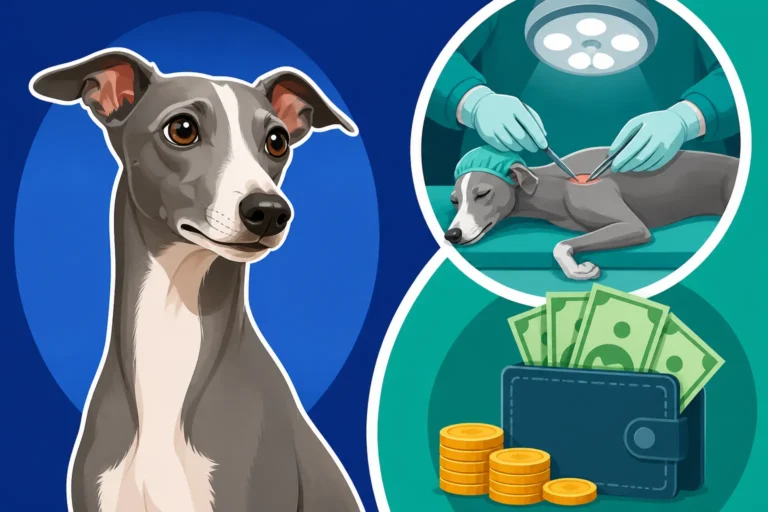
- Specialist Consultation & Surgery: Italian Greyhounds often need to see a board-certified orthopedic surgeon because of the delicate nature of their bones. The surgery itself is complex, requiring specialized equipment and expertise. Costs here will encompass the surgeon's fee, anesthesia, surgical materials (plates, screws), operating room time, and hospitalization. It is not uncommon for these costs to be in the multiple thousands of dollars. What Fracture Repair Costs on an Italian Greyhound can be substantial.
- Post-Operative Care & Rehabilitation: This includes follow-up X-rays, bandage changes, pain management, antibiotics, and potentially physical therapy to help regain strength and mobility. A week of specialized care might involve daily vet visits or extended stays. Even after successful surgery, the healing process is long and requires strict confinement, as discussed in How Long an Italian Greyhound Stays Crated After Surgery. Should the initial repair fail, or if pins loosen, a second surgery is a real possibility, doubling down on the expenses.
Comprehensive Dental Procedures
As mentioned, dental care is a recurring necessity. While a routine cleaning might seem straightforward, it involves anesthesia and skilled care.
Consider these cost factors:
- Anesthetic Dental Cleaning: This typically includes a pre-anesthetic exam, bloodwork (essential for IGs!), anesthesia itself, monitoring, scaling, polishing, and a fluoride treatment.
- Dental X-rays: These are crucial to assess the health of the tooth roots and detect issues below the gum line that aren't visible to the naked eye. Most comprehensive dental cleanings now include full mouth X-rays.
- Extractions: If teeth are severely diseased, they will need to be extracted. The cost per extraction varies based on the tooth's location and difficulty, and IGs, unfortunately, often need multiple extractions over their lifetime due to their crowded mouths. What a Single Extraction Costs on an Italian Greyhound can be significant, and when many are needed, it compounds quickly.
- Medication: Post-dental antibiotics or pain medication might be prescribed, adding to the total.
Because these procedures are often needed every year or two, the lifetime cost of dental care for an Italian Greyhound can be astronomical. Budgeting for What an Italian Greyhound's Lifetime Dental Costs is a smart move.
Diagnostics and Specialized Treatment
Sometimes, an Italian Greyhound will face an illness or injury that isn't immediately obvious and requires extensive diagnostic work to pinpoint. This could be anything from a persistent limp not obviously a fracture, to signs of an internal issue.
Costs in this category can include:
- Advanced Imaging: Beyond basic X-rays, your vet might recommend ultrasound (for internal organs), MRI, or CT scans (for more detailed bone, joint, or neurological issues). These can be quite expensive, especially MRI/CT, which often require sedation.
- Laboratory Tests: Comprehensive blood panels, urine tests, fecal tests, and specialized endocrine tests (like for thyroid function) are common. Signs an Italian Greyhound Has an Underactive Thyroid might necessitate several rounds of testing.
- Specialist Consultations: Just like with fractures, if your IG develops a complex internal medicine problem, neurological symptoms, or a chronic eye condition like Progressive Retinal Atrophy in an Italian Greyhound, a referral to a board-certified specialist might be necessary. These consultations come with their own fees, often in addition to any tests they order.
Medication and Ongoing Care
Beyond the initial emergency or diagnosis, many Italian Greyhounds will require medication, sometimes for life.
- Acute Medications: Pain relievers and antibiotics are standard after injuries, surgeries, or acute infections.
- Chronic Medications: For conditions like hypothyroidism or epilepsy, daily medication is needed. The cost of these prescriptions can accumulate significantly over months and years. Your local vet or online pharmacies like Chewy often offer convenient ways to get these prescriptions filled, sometimes with more budget-friendly options for ongoing care.
- Prescription Diets: Some conditions, such as kidney disease in older IGs or sensitive stomachs, might require specialized prescription diets that are more expensive than regular kibble.
| Emergency Type | Typical Initial Costs (Estimate) | Recurring/Long-term Costs (Estimate) | Key Considerations |
|---|---|---|---|
| Broken Leg | High (Thousands) | Moderate (Rehab, follow-ups) | Specialist surgery, multiple procedures, strict confinement |
| Severe Dental Disease | Moderate (Hundreds to Low Thousands) | Moderate (Annual cleanings, extractions) | Anesthesia, X-rays, multiple extractions often needed |
| Acute Illness/Injury | Moderate (Hundreds to Low Thousands) | Low to High (Medication, specialist visits) | Diagnostics (X-rays, bloodwork, ultrasound), hospitalization |
| Chronic Condition | Moderate (Initial diagnostics) | High (Daily meds, regular check-ups) | Lifelong medication, monitoring, potential diet changes |
Note: The cost descriptions above are qualitative ("High," "Moderate") because actual prices vary greatly. Always check with your local veterinary clinics for specific pricing estimates.
Building Your Italian Greyhound's Emergency Fund
Now that we've highlighted the "why" and "what" of potential costs, let's talk about the "how." Building a solid emergency fund for your Italian Greyhound is a proactive step that will save you immense stress and potential heartache down the line.
Setting Realistic Savings Goals
Given the potential for high-cost emergencies like fracture repair and the recurring nature of dental issues, a significant emergency fund is advisable. Many seasoned Italian Greyhound owners suggest aiming for a minimum of $3,000 to $5,000 for a basic emergency fund. However, if you want to be truly prepared for something like a complicated fracture repair involving a specialist, a figure closer to $7,000 to $10,000 would be more realistic. This isn't meant to scare you, but to provide an honest assessment of what top-tier emergency care can cost.
Think about the largest single expense you might face, which is usually a fracture repair. While a broken leg is always terrifying, having that financial cushion means you can focus on getting your IG the best possible care without agonizing over the bill. Don't forget, What an Italian Greyhound Costs Over Fifteen Years is a significant number, and emergencies are a part of that equation.
Savings Strategies and Dedicated Accounts
The best way to build this fund is to treat it as a dedicated savings goal, just like you would for a vacation or a down payment.
- Separate Savings Account: Open a high-yield savings account specifically for your Italian Greyhound's emergency fund. This makes it clear that this money is not for everyday expenses and helps it grow a little faster.
- Automate Contributions: Set up automatic transfers from your checking account to this emergency fund every payday. Even small, consistent contributions add up over time.
- Windfalls and Bonuses: Direct any unexpected money, like tax refunds, work bonuses, or gifts, directly into this fund.
- Budgeting for Pet Care: Integrate your pet's future emergency needs into your monthly budget. If you budget for What an Italian Greyhound Costs Per Month, ensure a portion is allocated to this long-term savings goal.
The Role of Pet Insurance
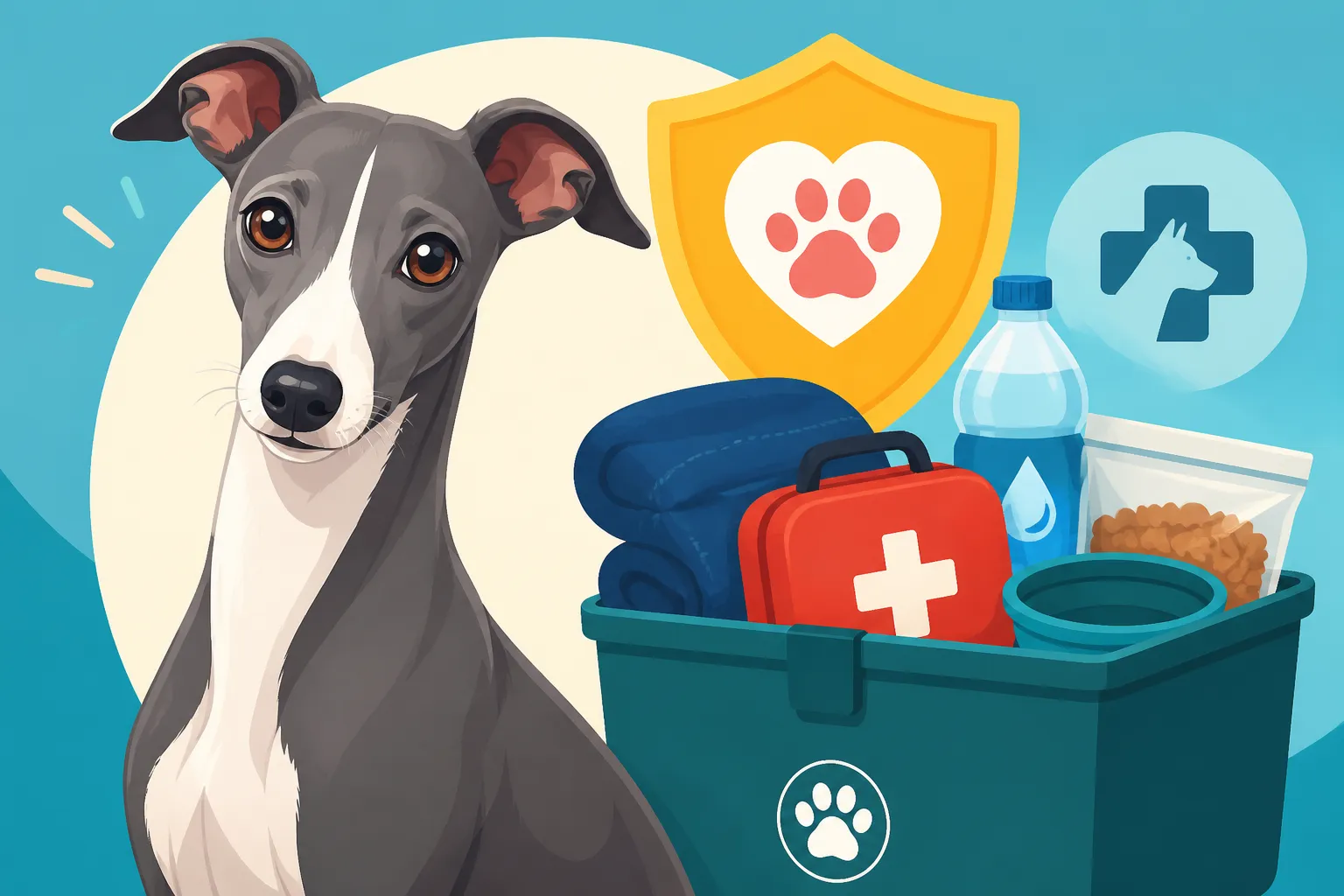
Pet insurance can be a fantastic tool to help manage unexpected veterinary costs, but it's crucial to understand its limitations and how it works alongside, rather than completely replacing, an emergency fund. Companies like Healthy Paws offer various plans that can cover accidents and illnesses.
- Coverage: Most pet insurance plans cover a percentage of eligible veterinary costs (e.g., 70-90%) after you meet your deductible. This can be incredibly helpful for a fracture repair or a major illness.
- Deductibles and Reimbursements: You'll still need to pay the veterinary bill upfront, and then submit a claim for reimbursement. This means you need enough cash on hand to cover the deductible and the portion of the bill that isn't covered by insurance.
- Waiting Periods and Pre-Existing Conditions: Most policies have waiting periods before coverage kicks in, and they typically do not cover pre-existing conditions. So, don't wait until your IG is already sick or injured to get insurance.
- Routine Care Exclusions: Generally, pet insurance doesn't cover routine preventative care like annual exams, vaccinations, or routine dental cleanings. Some plans offer "wellness riders" for an additional fee, but it's important to check the specifics. For example, while insurance might help with extractions due to severe disease, routine cleanings might not be covered. Whether an Italian Greyhound's Dental Is Covered is a key question to ask when researching policies.
Even with pet insurance, an emergency fund is vital to cover deductibles, the uncovered percentage of costs, and anything deemed a pre-existing condition.
Alternative Financial Resources
While an emergency fund is the ideal, sometimes life happens faster than our savings. Knowing about alternative resources can provide a safety net.
- Veterinary Payment Plans/CareCredit: Many veterinary clinics offer payment plans directly or through third-party services like CareCredit, which acts like a credit card for healthcare expenses. These often have promotional periods with deferred interest, but be sure to understand the terms.
- Personal Line of Credit or Credit Card: While not ideal due to high interest rates, a low-interest personal loan or credit card can be a last resort.
- Emergency Pet Funds/Charities: In truly dire circumstances, there are some national and local charities that provide financial assistance for pet owners who cannot afford emergency care. These usually have strict eligibility requirements.
Having a dedicated emergency fund for your Italian Greyhound is one of the most loving and responsible things you can do. It allows you to make decisions based on what's best for your beloved companion, rather than being limited by financial constraints, ensuring your delicate, spirited friend can live the longest, healthiest life possible by your side.
Disclaimer
This article is for general informational purposes only and does not constitute professional advice. Laws, prices and regulations vary by location and change over time. Consult a qualified professional for guidance on your specific situation.